

The "Zero Corruption Coalition and Friends" team up to galvanize the 2026 Bangkok governor and council elections, issuing an ultimatum to transform Bangkok into a model transparent metropolis.
On 22 June 2026 GMT+7, the "Zero Corruption Coalition and Friends" task force announced its continued drive to reform laws and elevate transparency in public agencies. They unveiled the systemic proposal called “5 Openings” aimed at sending a clear message to candidates for Bangkok governor and the Bangkok Metropolitan Council (BMC) elections in 2026: to make Bangkok the country’s pilot transparent city.
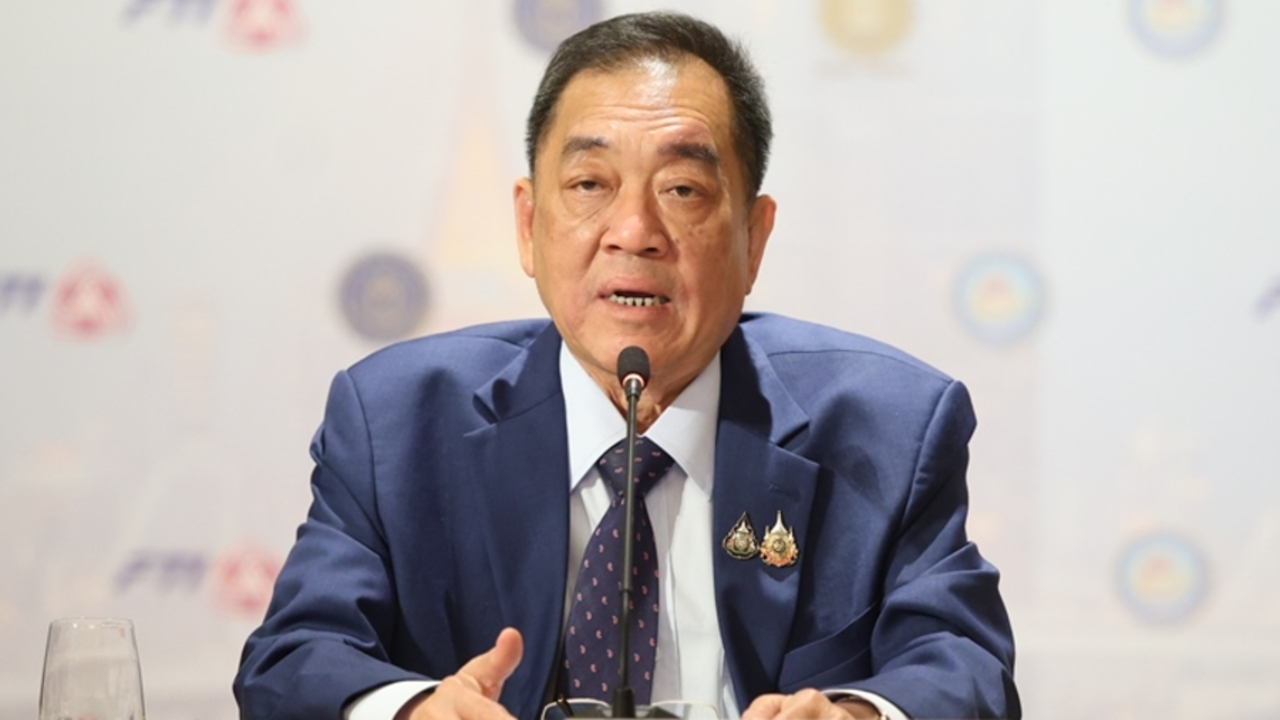
Mr. Phot Aramwattananon, chairman of the Zero Corruption task force of the coalition, stated that the upcoming Bangkok election is a golden opportunity to reform the capital city. He emphasized the core principle that “a governor must deliver on campaign promises” and be willing to disclose information for public verification. He described Bangkok’s problems as a critical turning point that the political sector must heed and urged citizens to vote for candidates committed to building a transparent Bangkok.
Mr. Phot outlined the “5 Openings” proposal to transform Bangkok. The strategic plan involves: opening verifiable city data (Open Data); publishing budgets and procurement in machine-readable digital databases; developing AI and technology to detect anomalies and projects at risk of corruption; enabling public participation through Open Government principles; creating dashboards for districts to monitor spending; and establishing Citizen Feedback systems to assess satisfaction and protect whistleblowers.
Further, the plan calls for transparent procurement contracts (Open Contracting), exposing all contract steps from TOR to delivery, applying Integrity Pacts to major projects, and verifying vendor company identities to prevent bid rigging. It advocates opening approval and licensing processes (Open Permitting Process), revising criteria to reduce officials’ discretion, and moving to 100% electronic licensing to block bribery and extortion. Lastly, it promotes open risk management measures (Open Risks Management), setting up anti-corruption safeguards from start to finish, establishing KPIs to measure transparency, and publicly disclosing performance of all Bangkok civil servants.
Mr. Mana Nimitmongkol, chairman of the Anti-Corruption Organization (Thailand) and academic advisor to the task force, added that the essence of all proposals is that opening data equals empowering citizens to oversee. However, the key to successfully driving this system lies in the new Bangkok leader’s commitment, encapsulated in the threefold mantra: “transparent management, determined anti-corruption, and citizen engagement” to build the strongest sustainable shield against corruption.