

The Senate Energy Committee exposes the government is charging hidden electricity fees of 50-90 satang per unit, condemning the tactic as a surprise move that hides four concealed cost components in the electricity bills, making the public share the burden. They demand clear disclosure of electricity costs, cancellation of public electricity fees, and that the project-owning agencies pay directly.
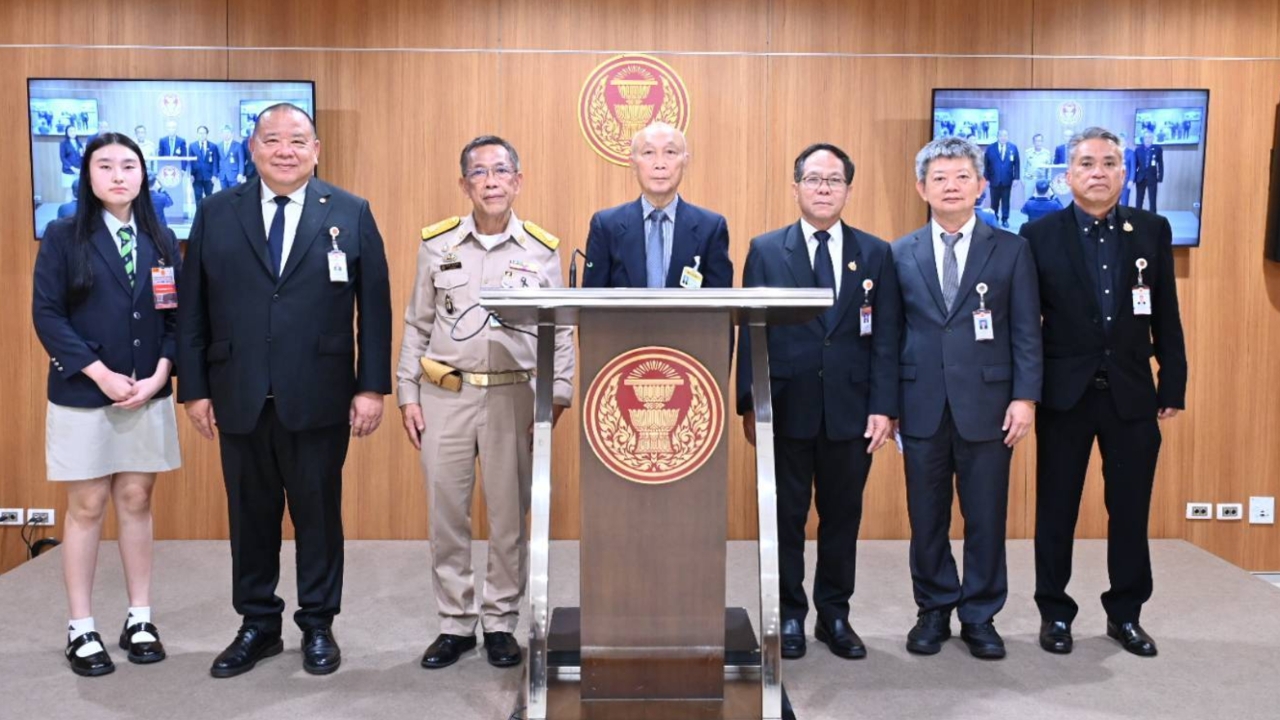
At 13:30 on 22 June 2026 GMT+7, Mr. Pornperm Thongsri, Senator (S.), serving as Chairman of the Senate Energy Committee, held a press conference at the Parliament building regarding hidden electricity costs. He stated that the electricity bills currently paid by the public do not consist solely of production costs but also include hidden costs from government policies and the long-accumulated electricity system structure, which have been pushed onto the public. According to the Energy Committee's study, the average electricity price of 4.18 baht per unit currently paid by consumers includes hidden costs of 50-90 satang per unit, or 12-22% of the total electricity cost. The four main hidden cost components are as follows:
1. Costs for power plant readiness and excess reserve capacity, which represent the highest burden, estimated at 30-50 satang per unit. These arise from government contracts with private power plants that require payment for availability even if the plants are not generating electricity, resulting in Thailand having reserve capacity exceeding actual needs.
2. Burden from renewable energy promotion policies, 15-25 satang per unit, stemming from past purchases of renewable energy at high subsidy rates.
3. Public electricity fees and cross-subsidies, 5-10 satang per unit, such as street lighting, highway lighting, and flood prevention pumping systems, which are included in the electricity cost, making the public share these public electricity expenses through their bills.
4. Accumulated debt from past electricity price freezes, 10-20 satang per unit, which occurred when the government had the Electricity Generating Authority of Thailand (EGAT) bear fuel costs on behalf of the public during energy crises, and is now gradually recovering these costs via the Ft (fuel adjustment tariff).
Mr. Pornperm added that regarding public electricity fees, the Energy Committee believes such fees—for street lighting, highway lighting, and public pumping systems—should be clearly separated from household electricity bills. Currently, all households share these costs without detailed awareness. The Energy Committee proposes five recommendations:
1. To disclose electricity costs transparently, clearly separating actual production costs from policy-related costs.
2. To address issues of readiness fees and excess reserve capacity by renegotiating power plant contracts and managing capacity to align with actual electricity demand.
3. To reform the clean energy promotion system into a competitive pricing model instead of fixed subsidies, reducing long-term electricity cost burdens.
4. To cancel the embedding of public electricity costs in household bills, requiring the responsible project agencies to cover these expenses directly.
5. To shift assistance for low-income households to targeted support through the state welfare system, rather than distributing the burden across all electricity users, thereby sustainably reducing electricity costs and increasing fairness.
He concluded by stating that the Energy Committee will establish a working group to monitor and follow up on these matters.