

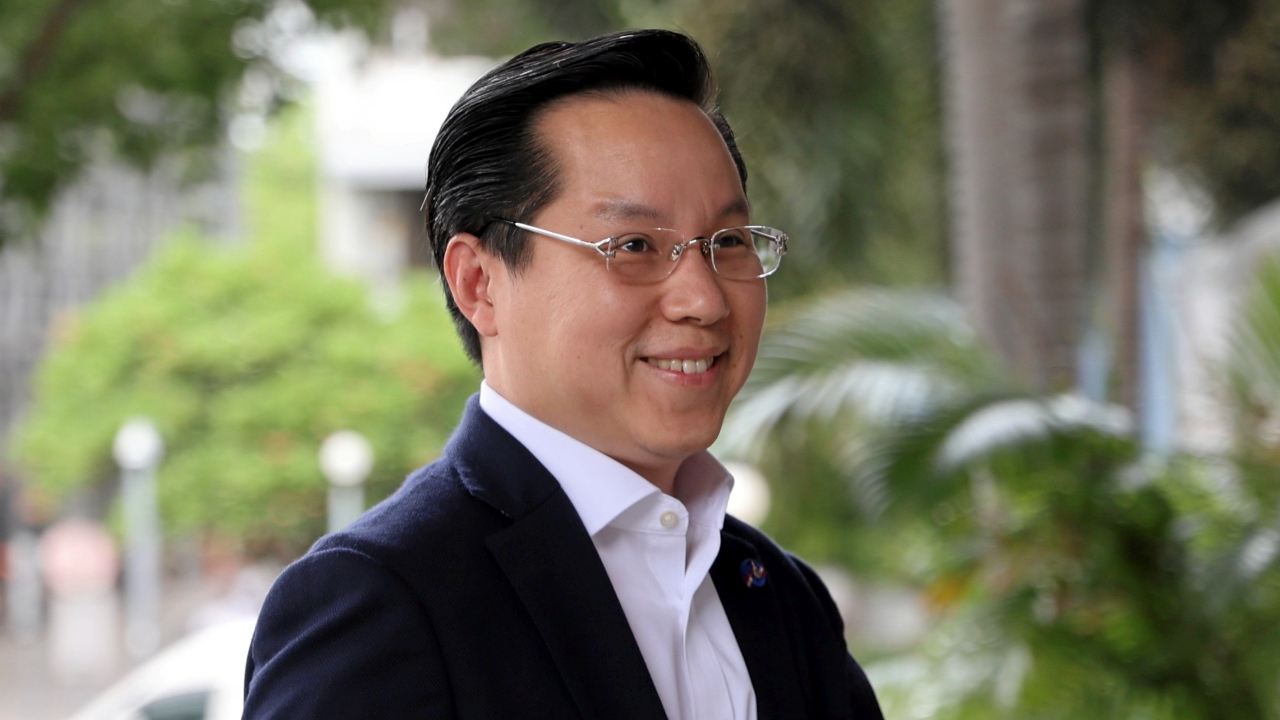
Attawit recommends adjusting the TH-AI Passport project contract so the government pays only for what citizens actually use, ensuring maximum benefit to both the government and the public. He insists that lump-sum payments must be strictly prohibited, and if implemented, it would be cost-effective.
22 Jun 2026 GMT+7 Attawit Suwanpakdee Member of Parliament (MP) via party-list and Deputy Leader of the Ruam Thai Sang Chart Party, raised concerns regarding the TH-AI Passport project with a budget of 1.6 billion baht aimed at enabling 5 million people to access AI tools, following the Ministry of Digital Economy and Society’s public consultation as proposed by Chaiyachon Chidchob, Minister of Digital Economy and Society, and preliminarily concluded that the government should pay the winning bidder based on the actual usage by citizens (Pay Per Active User).
Attawit further stated that this approach marks a significant change from the current project, which has yet to disburse funds and whose original contract involves annual lump-sum payments. Even if citizens stop using the service midway, the government must still pay the full contract amount. Switching to monthly charges based on actual usage is more straightforward. “In any month without usage, the government would not have to pay the company.” He added that if the company is confident in the project’s quality, it should be willing to adjust contract terms to maximize benefits for both the government and the public.
He also proposed that the government should design usage to ensure maximum value by having public universities pilot the project with about 200,000 first-year students, who would receive training and learn to use AI across all 31 models in the system. If students fully utilize the system for just one semester, usage value would be approximately 2,000 baht per person per month, totaling 1.6 billion baht. Based on the original target of 5 million users over one year, the average cost would be only about 27 baht per person per month.
Attawit also revealed that the company’s concern is not about user numbers, but whether users can deeply harness the capabilities of all AI models, especially in education, which is the sector with the highest potential to benefit from these tools. He emphasized that “If the system is of quality and meets actual user needs, there will naturally be many users. The service provider should be willing to adjust the contract to charge based on actual usage.”