

"Warawut" has ordered the Industrial Estate Authority of Thailand (IEAT) to raise flood prevention measures to the highest level nationwide during the rainy season. He instructed a risk point inspection to prepare for “Rain Bomb” events, employing water drainage models and expanding retention basins, while collaborating with the Eastern Economic Corridor (EEC) to address El Niño effects expected to last until 2027.
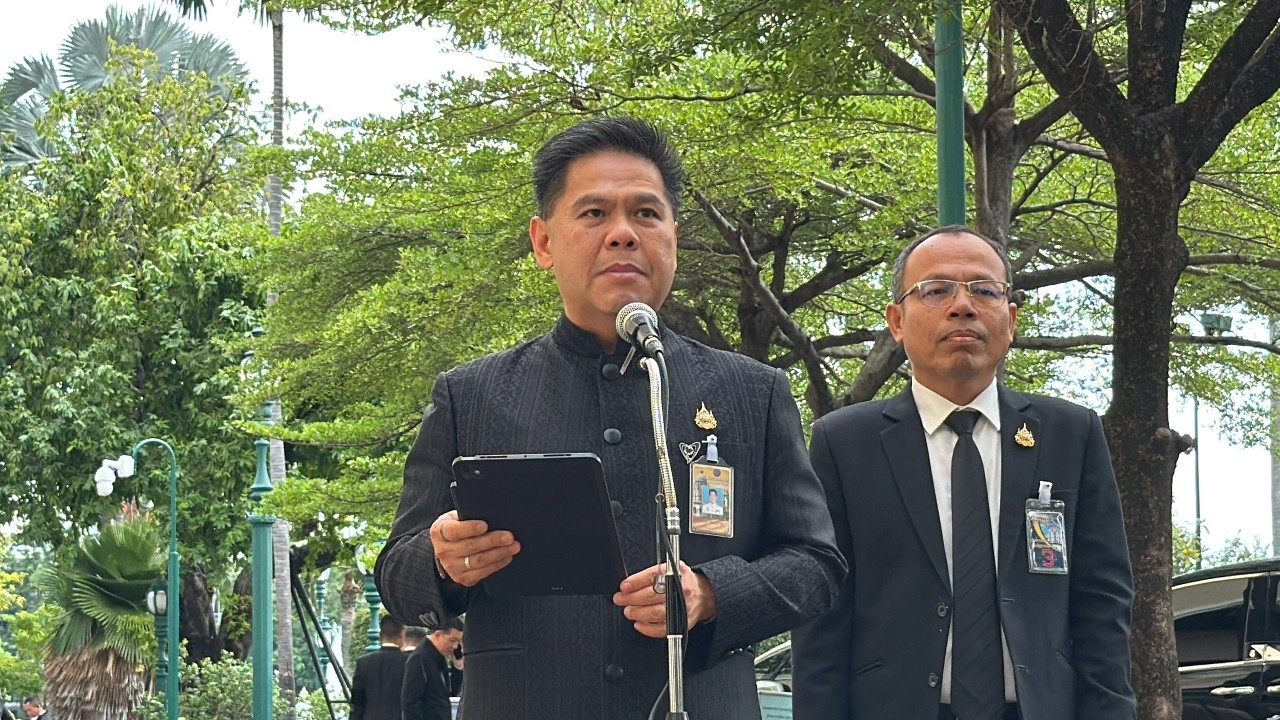
On 23 Jun 2026 GMT+7, at the Government House, Warawut Silpa-archa, Minister of Industry, stated that this rainy season he has emphasized and instructed the Industrial Estate Authority of Thailand (IEAT) to elevate proactive flood preparedness measures to the highest level, especially in industrial areas and low-lying risk zones nationwide. This aims to prevent impacts on production and investment, particularly in key economic areas like Chonburi, Rayong, and Chachoengsao, which currently host over 103,057 operators with a combined registered capital exceeding 2.19 trillion baht. He received reports from Sumeth Tangprasert, IEAT Governor, on the latest survey and preparedness assessment in June, confirming that water conditions within all industrial estates and industrial ports nationwide remain normal, with no flooding issues.
Warawut said that although overall conditions are normal, he has ordered IEAT to coordinate with all industrial estate developers to prepare and analyze risk factors in advance, especially for cases of heavy, persistent rainfall or Rain Bomb events with over 100 millimeters of rain within three consecutive hours. He also highlighted issues of high tides in low-lying areas of Samut Prakan Province and obstacles in public canals. He mandated inspections of basin watch points and low-lying areas and full readiness of Naga water pumps and sandbags to handle high tides. He also ordered new industrial estates under construction, like Smart Park Industrial Estate, to thoroughly check and control drainage systems to prevent blockages by debris. The IEAT Governor has driven four main measures: daily draining of water in retention ponds and buffer zones to maintain the lowest possible levels in preparation for new rain waves; many areas already have usable retention basins. They have also prepared backup power systems and emergency maintenance teams and implemented seamless communication technology via an online system that automatically monitors water and rainfall levels and reports to operators in real time through Line Group. Furthermore, they coordinate with the Royal Irrigation Department and local agencies.
The Minister of Industry added that he has also ordered IEAT to plan for drought risk management related to the El Niño phenomenon, predicted to affect the region from mid-year until August 2027, possibly causing below-normal rainfall. IEAT is coordinating with relevant agencies to integrate water management in the Eastern Economic Corridor (EEC) to store rainwater during this period as a water reserve, ensuring industrial confidence in the area. The IEAT Governor reported that water volumes are sufficient to meet demand in all areas. Previously, IEAT has cooperated with agencies such as the National Water Resources Office, Royal Irrigation Department, Provincial Waterworks Authority, Eastern Economic Corridor Office, and the private sector to continuously monitor the situation and set water resource management guidelines in the region.