

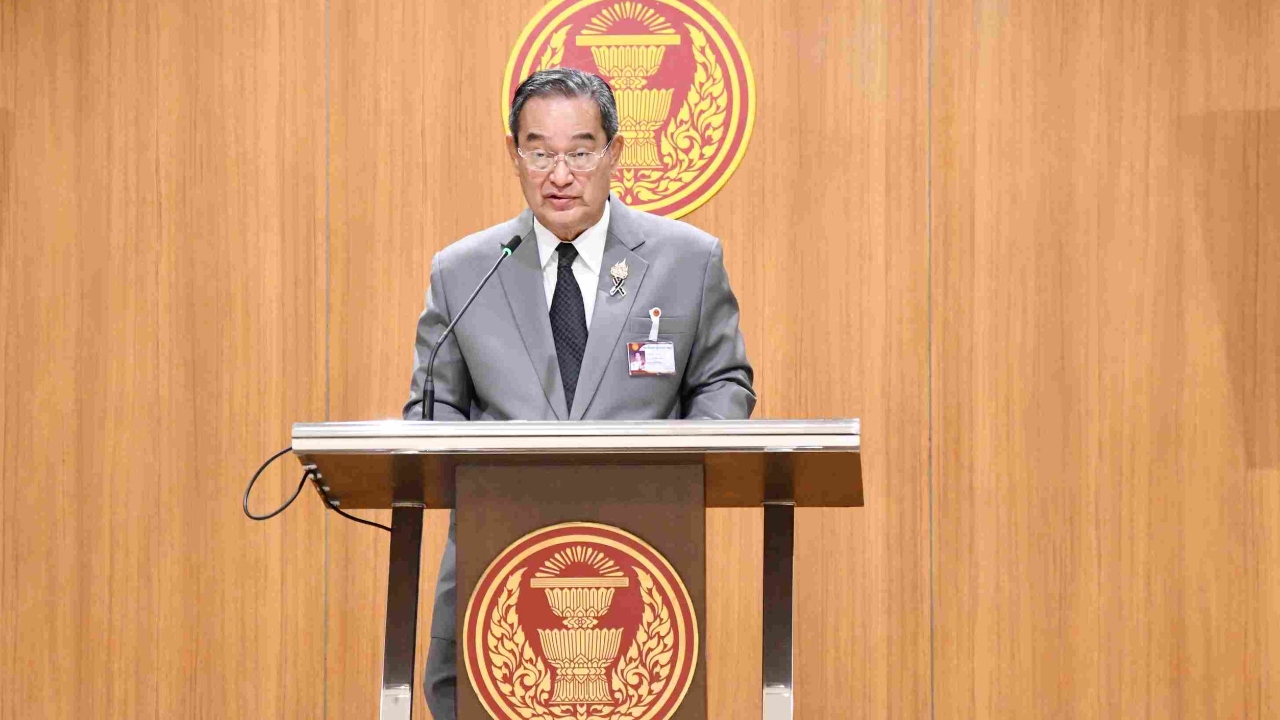
Nikorn emphasized that the proposed amnesty bill does not absolve offenses under Section 112, Senate collusion, or election fraud. He is ready to push forward political amnesty for cases pending nearly 20 years to close a long-standing conflict issue.
At 10:30 a.m. on 1 July 2026 at the Parliament, Nikorn Jamnong, a party-list MP from Bhumjaithai Party and Deputy Chairman of the House Coordination Committee (Government Whip), who previously served as secretary to the special committee studying the amnesty act drafting and as a member of the special committee on the Social Peace Promotion Act draft, updated on the progress of the amnesty bill. After the Senate approved amendments during the screening stage, the next step is to return the bill to the House of Representatives for further consideration. He affirmed that the Senate's amendments remain aligned with the original draft proposed by Prime Minister and Interior Minister Anutin Charnvirakul, leader of Bhumjaithai Party, and his team, as well as drafts from the Thai Teachers' Party and MP Wichai Sudsawasdi. The content is consistent, and the Senate's adjustments strictly uphold the three key principles previously approved by the House.
The key principles that absolutely exclude amnesty are: 1. offenses involving corruption and misconduct; 2. offenses under Criminal Code Section 112; and 3. offenses causing another person's death or personal harm, including acts liable to an individual rather than a state agency, whether specific or group-related. Such offenses will not benefit from this law. The bill focuses solely on amnesty for acts motivated by political reasons.
Regarding wording amendments in the Senate, the term “state enterprise” was removed from the exemption clause because legally, state enterprises are already considered state agencies, making the term redundant. The Senate also added the word “society” in certain places for completeness. The House has agreed with these amendments.
Clarification that there is no concealment: no amnesty for Section 112 offenses, Senate collusion, or election fraud.
Nikorn further explained the dispute over claims for damages from the blockade of Suvarnabhumi Airport, where Airports of Thailand Public Company Limited (AOT) sued protesters for damages. The original draft stated that if amnesty is granted, damages should be reimbursed. However, the committee agreed that the five million baht already paid under enforcement would not be refunded, since the damage affected a state enterprise with approximately 30% private shareholders. The Senate removed this provision to prevent further controversy.
Regarding the list of 25 offenses appended to the bill, the Senate reordered them by legal hierarchy without changing substantive content. It is clear that neither Section 112 offenses nor those causing death appear on this list. The reordering serves only to ensure legal accuracy. On rumors about amnesty for election fraud or Senate collusion cases, he emphasized that no amnesty will be granted for election corruption, unfair elections, or false qualifications of candidates for MP or Senator.
Advises against forming a joint committee of both houses, aiming for discussion before this session ends.
“The only offenses eligible for amnesty are minor offenses related to elections, such as protests against the Election Commission’s work that escalate into clashes. This was clearly recorded in the ninth committee meeting minutes. The Senate is expected to return the bill to the House by 2 July, in time to place it on the agenda during the final week of this session. On Monday, 6 July, I will bring this to the government whip meeting. The House should approve the Senate's amendments immediately without forming a joint committee, as the changes are merely wording and legal technicalities, not substantive issues. We have pushed this bill for over 20 years since 2005, and the public is tired of the prolonged process. If the House agrees with the Senate, the matter can be concluded and the bill sent to the King, finally ending this longstanding conflict.”