

The Ministry of Higher Education partners with the Medical Council to break the deadlock on increasing doctor production, highlighting a four-pronged deep system plan focusing on quality and employing technology to effectively retain doctors.
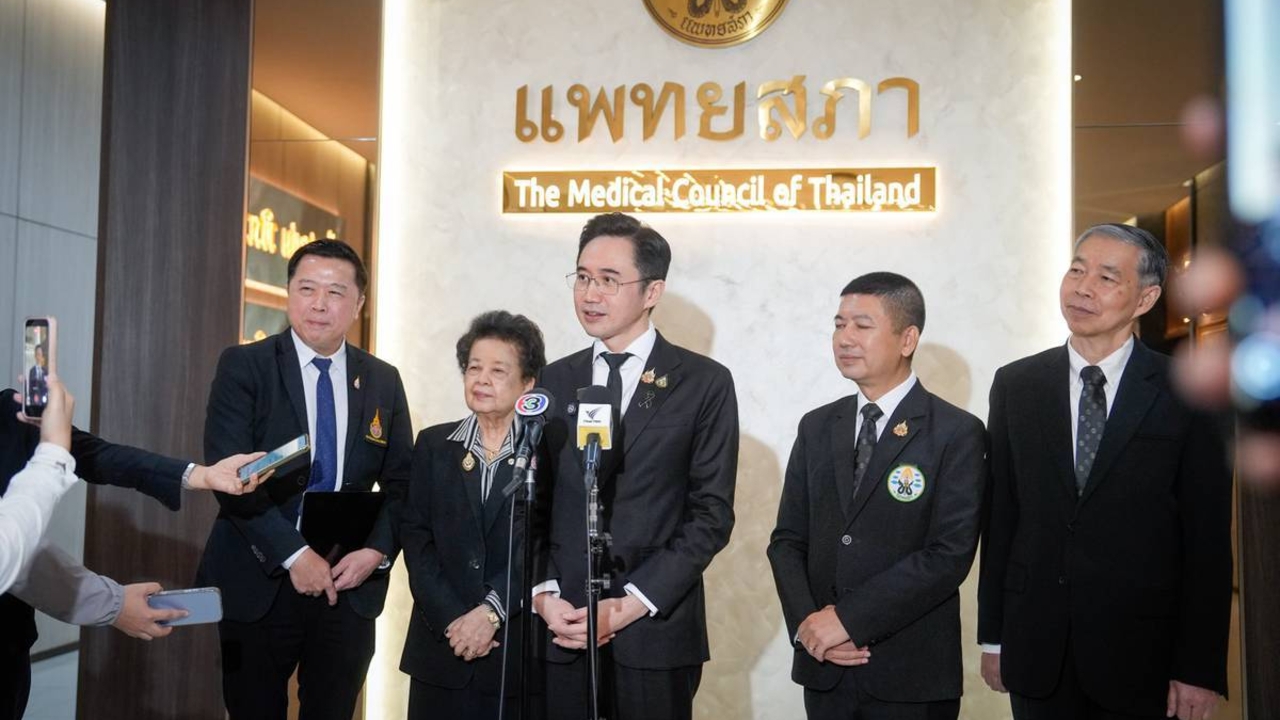
On 2 July 2026 GMT+7, a seminar titled "Is Opening New Medical Schools the Real Solution to Thailand's Doctor Shortage?" was held, featuring Yotsanan Wongsawat (A. Chen), Deputy Prime Minister and Minister of Higher Education, Science, Research and Innovation, alongside Medical Council executives and deans from various medical faculties, who exchanged views on the country's medical production policy.
Yotsanan addressed opposition to opening new medical schools, explaining that the policy to support the Medical Education Consortium of Thailand (MET) to increase doctor production over the next 10 years is based on actual data, including retirement rates and shortages in provincial areas. This aims to prevent treatment gaps during the transition period. The long-term plan to enhance Thailand's healthcare system has four main aspects: creating incentives to retain doctors within the public system to reduce brain drain; supporting government budget subsidies for medical instructors and specialists; strict quality control with the Medical Council as the primary gatekeeper to approve and halt unprepared programs; and introducing advanced technologies and AI innovations to reduce medical personnel workloads.
Professor Emeritus Dr. Somsri Paosawat, President of the Medical Council, reflected on the issue that specialist medical training has relied on funding from medical colleges and doctors' personal funds for nearly 50 years without government budget support. She appealed to the government to provide budget subsidies in accordance with new legislation.
Meanwhile, Professor Emeritus Dr. Amorn Leelaratsamee, Chair of the Medical Council's Academic Committee, expressed concern that rapidly opening new medical schools could lead to a shortage of medical instructors, since advanced specialist training takes over 10 years. He questioned whether budget should instead focus on creating incentives to retain existing doctors in the system first.
The Minister of Higher Education stated that efforts are proceeding in parallel with no one-size-fits-all policy. He confirmed that the Medical Council has full legal authority to evaluate institutions and immediately suspend or halt programs that are unprepared, whether due to a lack of medical instructors or hospital support. The goal is excellence—Thai people must receive the best possible medical education.