

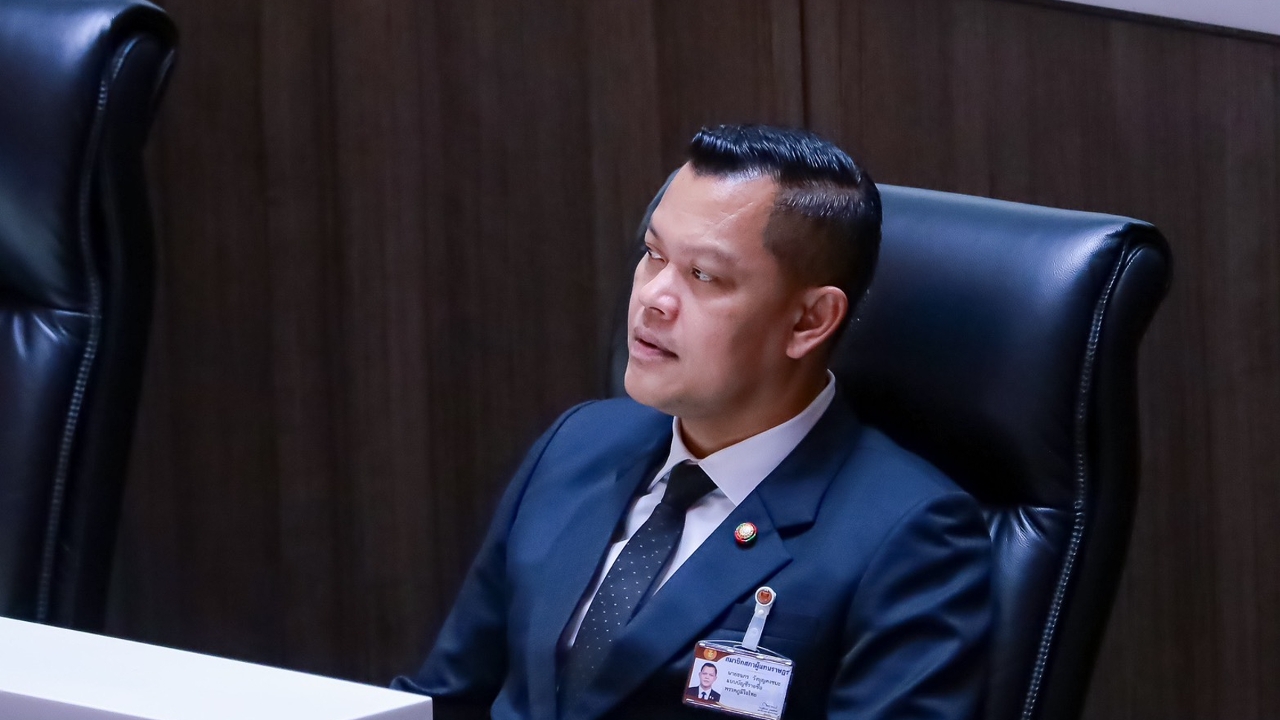
Thanakorn urges the government to regulate standards of online food stores, citing concerns for public health and safety. He noted the difficulty of verifying standards without physical storefronts and stressed the need for inspections before consumers decide to order food.
On 3 Jul 2026 GMT+7, Thanakorn Wangboonkongchana, party-list MP from the Bhumjaithai Party and former Minister of Industry, revealed that delivery services have grown rapidly. Many people now prefer ordering food through applications like Grab, Line Man, or various online platforms rather than dining at restaurants. This trend benefits the economy, generating income, creating jobs, and enabling small entrepreneurs easier access to customers. However, society should question who monitors the standards of these food outlets, as many lack physical stores and do not allow customers to see their production processes. Consequently, it is impossible to know if kitchens are clean, ingredients meet standards, or food storage is hygienic. Some may prepare food near unsuitable areas, such as bathrooms or places lacking proper hygiene standards. These issues are not merely business concerns but relate directly to public quality of life and safety.
Thanakorn added that other countries take this matter seriously. For instance, in the United Kingdom, every food business must register with local authorities before opening and undergo regular hygiene inspections by the Food Standards Agency (FSA) officials. Restaurants receive hygiene ratings from 0 to 5, which the public can check before ordering or dining. If serious problems are found—such as contamination, dirty kitchens, presence of pests like rats or insects, or substandard food storage—restaurants may be temporarily closed, downgraded in rating, or have their licenses revoked immediately if public health is at risk. Therefore, Thailand should prioritize regulating online food businesses not only at startup but through continuous inspections of kitchens, ingredients, storage, and hygiene standards. Ultimately, food is not just a product but something consumed daily by citizens. Allowing the industry to grow without proper standards risks public health and safety in the long term.
"Hygiene standards oversight should not be limited to online food businesses alone. Traditional restaurants, small eateries, street food vendors, and currently operating establishments must also be regularly inspected regarding kitchen cleanliness, ingredient quality, food storage, and sanitation standards. Food safety is not merely a commercial matter but directly affects the health and quality of life of all citizens. If the government and relevant agencies establish a standardized, transparent, and ongoing inspection system, it will elevate food safety and improve Thai people's quality of life over time," he emphasized. Thanakorn concluded.