

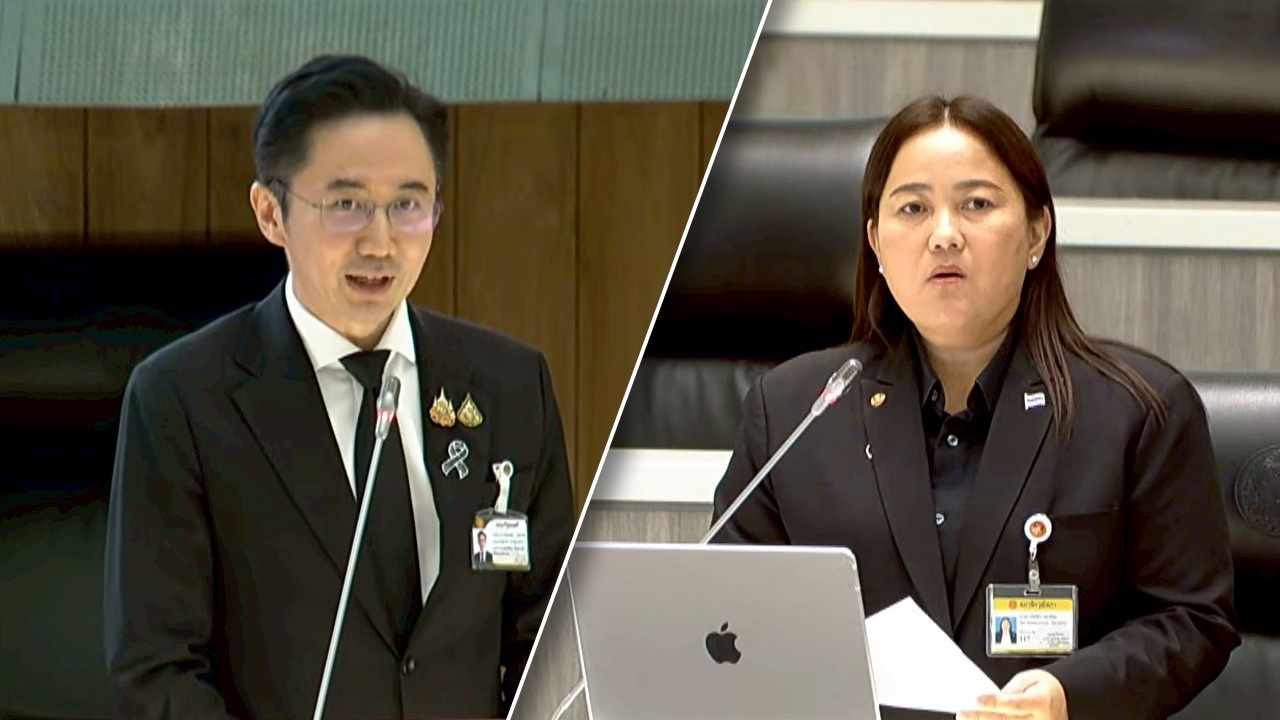
A senator urges addressing university staff resignations caused by unfair income. Minister Yotsanan promises prompt resolution and introduces three wage management approaches.
At 12:10 on 6 July 2026, during a Senate meeting, Senator Ratchaneekorn Thongthip questioned the Minister of Higher Education, Science, Research and Innovation about fairness and equity for staff in higher education institutions. She noted that while Thailand's development relies on education, university staff face income disparities stemming from a 1999 Cabinet resolution allowing state universities to hire special employees without civil servant status. Later amendments set wage rates at 1.7 times for academic staff (lecturers) and 1.5 times for support staff.
Now, after more than 26 years, many universities have established their own regulations, resulting in disparities in welfare and benefits. Current data indicate many universities cannot pay wages at the 1999 rate, leading to brain drain. She urged the Ministry of Higher Education, Science, Research and Innovation to oversee this and posed six questions to the minister.
1. When will the ministry align university wage rates with the 1999 Cabinet resolution?
2. What is the progress and timeline for implementing personnel management regulations in higher education institutions?
3. How will the ministry establish welfare standards to prevent monopoly control by university councils?
4. What is the exact legal status of university staff?
5. How will the ministry expedite salary adjustment criteria to cover staff affected by initial salary base changes for teacher civil servants?
6. What measures does the ministry have to prevent and resolve staff resignation issues?
Deputy Prime Minister and Minister Yotsanan Wongsawat explained that over the past three months, the ministry and university councils have discussed these issues. Regarding salary disparities, the ministry aims to ensure academic and support staff have equal roles in advancing university vision and policy. Three wage management options are under consideration:
1. Pay full wages without additional welfare provisions.
2. Pay partial wages, allocating funds toward welfare.
3. Pay wages above state allocations using additional university income contributions.
Regarding personnel management regulation progress, he noted that university governance, benefits, and contracts are sensitive issues with unresolved disagreements. Current focus is primarily on healthcare welfare.
On preparing a central standard framework, Yotsanan said all parties agree, and the ministry will issue guidelines for university councils to adopt, ensuring equality. He clarified that university staff currently fall into four groups—civil servants, higher education staff, government employees, and university contract workers—all clearly defined by law. Salary base adjustments and compensation for those affected are underway, including identifying eligible individuals.
To address staff resignations, Yotsanan explained that university income in the long term does not primarily come from student fees but from academic services and technology patents. With increased income, universities can upskill and reskill personnel and develop lifelong learning courses to generate additional revenue, which can then support welfare initiatives for staff.
Finally, Senator Ratchaneekorn proposed that the ministry expedite planning and criteria development to address the six issues concretely. "I hope to receive a commitment from the minister to create equality that leads to stability in education," she said. Senator Ratchaneekorn's statement prompted Minister Yotsanan to rise and respond. "Yes, I do," he said.