

Opposition urges government to swiftly dismantle transnational drug networks after Thailand becomes a global transit route for cannabis, disrupting the entire system.
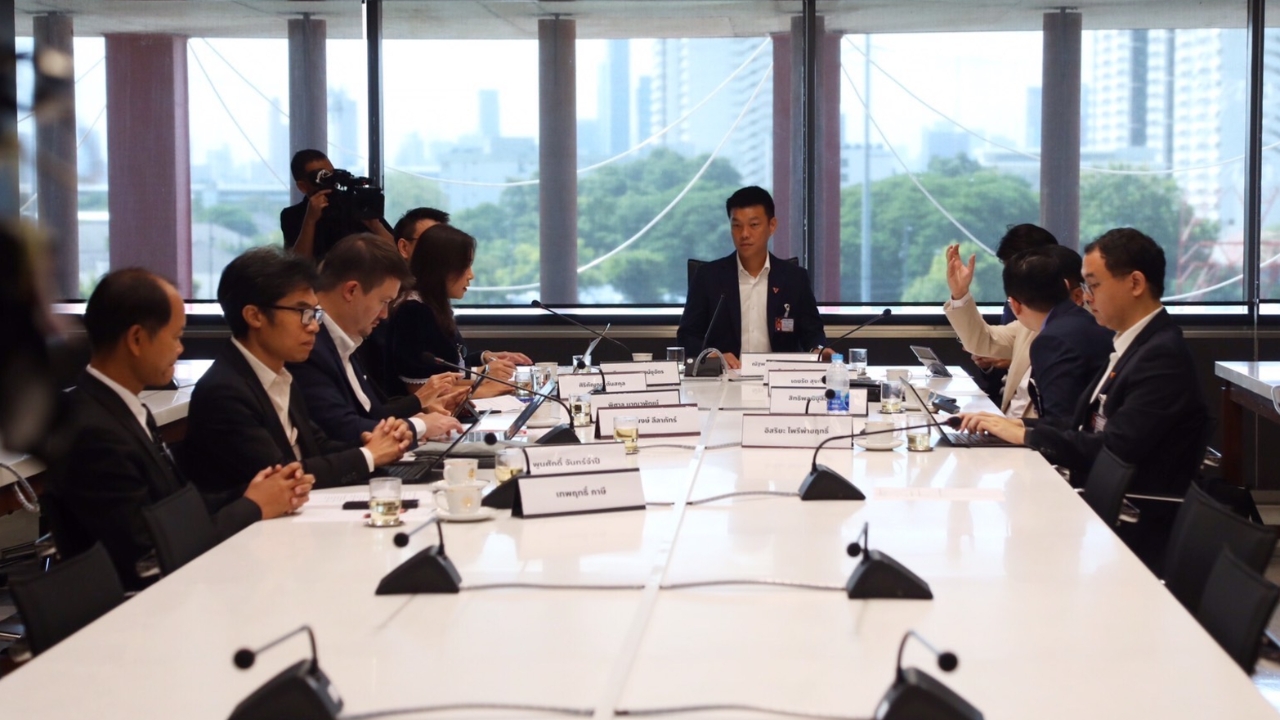
On 8 July 2026, Natthapong Ruangpanyawut, opposition leader, spoke after the 8th Shadow Cabinet meeting, calling on the current government to urgently resolve two major national issues that are damaging the country's image and safety: transnational drug trafficking and cross-border toxic contamination in major river basins.
Natthapong revealed that over the past month there have been multiple large seizures of illicit drugs including heroin, methamphetamine, and cannabis smuggled from Thailand to various countries. A notable case involved heroin smuggling to Australia via an airline flight attendant, with the Office of the Narcotics Control Board tracing the origin to Laos. This situation reflects that Thailand is being used as a transit and distribution hub by transnational criminal organizations, which is unacceptable. The government cannot deny responsibility and must urgently address this problem.
The opposition leader added that the cannabis problem is equally severe. According to Customs Department data from October 2025 to May 2026, there have been nearly 3,000 cases of illegal cannabis exports from Thailand, with a total weight exceeding 315,000 kilograms valued at about 4.045 billion baht. Just last week, large cannabis seizures from Thailand were made in Hong Kong, Poland-Germany, and Indonesia. This vacuum has resulted from the decision by Anutin Charnvirakul, former Minister of Public Health, to deregulate cannabis from the narcotics list on 9 June 2022 without robust supporting legislation.
Natthapong continued that this error has caused two main impacts: on health, with psychiatric patients related to cannabis increasing threefold over recent years; and on control, as current laws regulate only sale, processing, export, and research but do not require cultivation licenses. Consequently, the government lacks accurate data on cannabis cultivation and stocks, making it very difficult to monitor illegal exports.
The People’s Party leader called on the Prime Minister to personally oversee security agencies including the Office of the Narcotics Control Board, the Internal Security Operations Command, and Customs Department to prevent Thailand from becoming a “hub for illicit cannabis.” He emphasized that the People’s Party is ready to support comprehensive cannabis and hemp control legislation in parliament.
At the end of his statement, Natthapong expressed concern about environmental conditions at border areas. He noted that toxic contamination from mining activities has reached dangerous levels affecting water, sediment, agricultural soil, aquatic animals, and plants in six major rivers: the Kok, Sai, Ruak, Mekong, Salween, and Kraburi rivers. However, the government has yet to address these issues effectively. The People’s Party therefore urges the government to use diplomatic channels to seek cross-border cooperation with neighboring countries involved throughout the production chain to jointly solve this water pollution problem seriously and sustainably.