

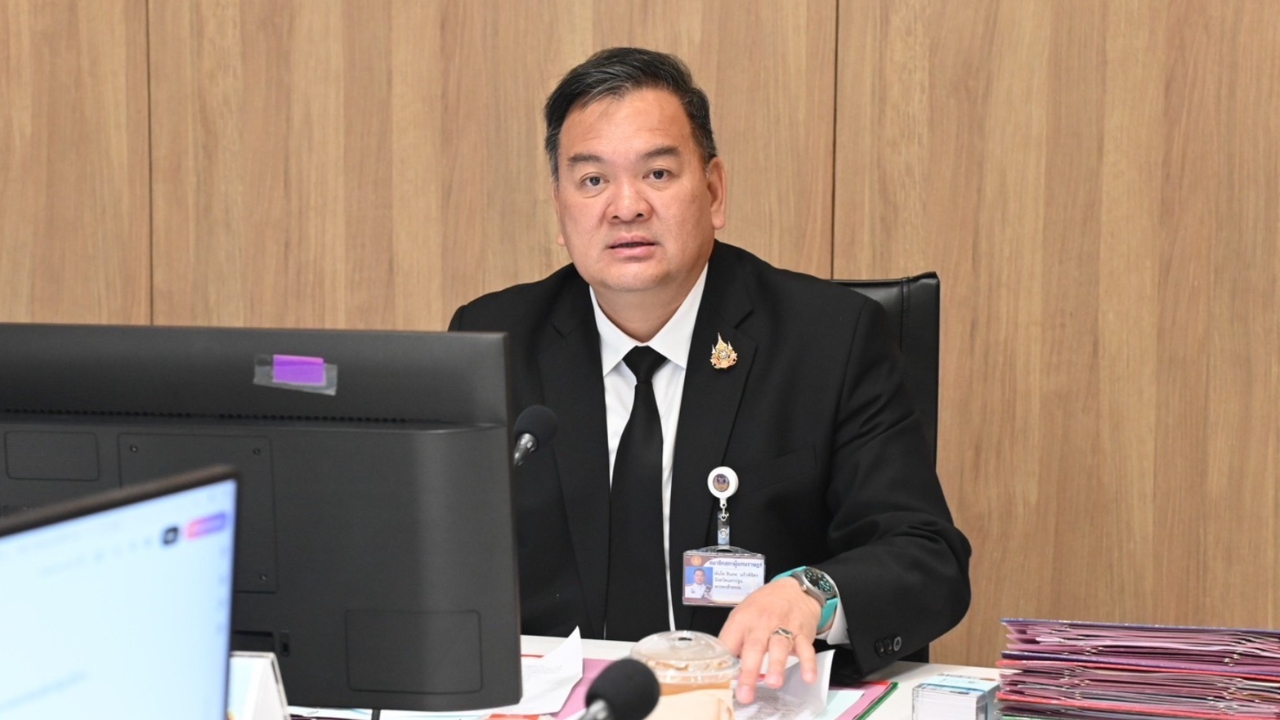
The Parliamentary Tourism Committee is moving to revive abandoned tourist sites by outlining solutions to management structure problems, clearly assigning responsible agencies, and partnering with local communities to redevelop these sites to generate income for both the communities and the country.
10 Jul 2026 GMT+7 Lieutenant Colonel Sinthop Kaewpijit, Member of Parliament for Nakhon Pathom from the Kla Tham Party, serves as chairman of the Tourism Committee of the House of Representatives. He said that during the Tourism Committee meeting on 9 Jul, discussions were held regarding approaches to restore and manage abandoned tourist sites. The Ministry of Tourism and Sports, Ministry of Natural Resources and Environment, and the Fine Arts Department were invited to provide information. The Director of the Office of Sustainable Tourism Development Areas (Public Organization) reported that most abandoned tourist sites result from the lack of a managing agency after construction and handover to the Treasury Department. No agency has clearly taken responsibility or utilized the sites, partly because some local administrative organizations have budget constraints for maintenance. Additionally, legal procedures for utilizing government property have limited full effective use of some areas.
Previously, the Department of Tourism addressed this by signing memorandums of understanding with local agencies to define responsible parties. The Office of Sustainable Tourism Development Areas can manage areas following legal steps with Cabinet approval and strategic plans covering area management, personnel, assets, and land use. Currently, cooperation with the private sector is being considered to enhance development efficiency and sustainable use of tourism areas.
Lieutenant Colonel Sinthop stated, the agencies presenting agreed that abandoned tourist sites must first have their land status verified—whether located in forest areas and whether authorized for use. There are two cases: if use is authorized and structures exist, the property owner agency must manage and maintain them. If they choose not to continue, ownership can be transferred to the land-owning agency per Treasury Department regulations. If use is unauthorized or the land is encroached, legal action and demolition must be completed before redevelopment.

Regarding tourist sites that are archaeological or cultural heritage locations under the Fine Arts Department’s responsibility, there are currently 8,500 sites in the database. Appropriate management is necessary because the department alone cannot fully cover all sites. Cooperation is needed from local networks such as cultural heritage volunteers, local administrative organizations, and administrative authorities.
The committee observed that the key problems are not only budget shortages but also structural management limitations, unclear responsible agencies, lack of post-construction management plans, and legal restrictions involving multiple agencies like forestry, national parks, archaeological sites, and local governments. This has prevented full development of areas with tourism potential. Integrated cooperation is essential, with local communities involved in creating jobs and income at both community and national levels. The committee has assigned coordination efforts to clarify and advance these issues.