

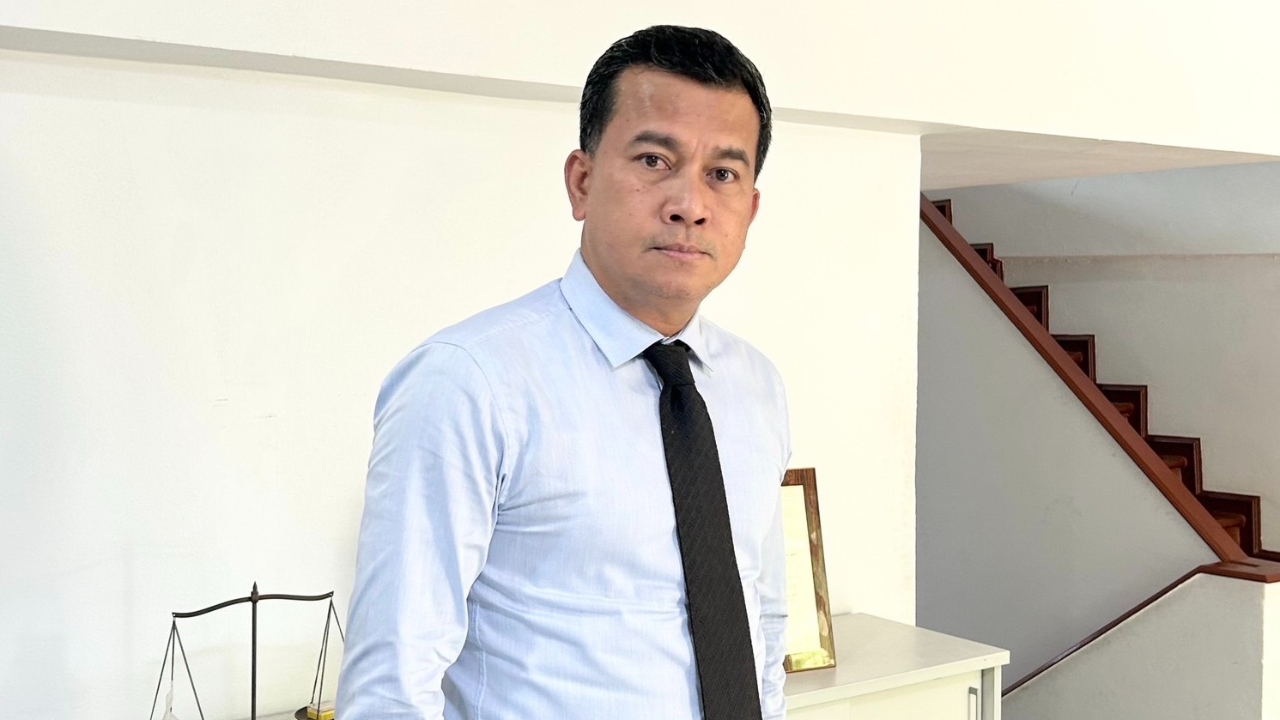
Lawyer Chao defends Abhisit, stating that the proposal to assist misguided youth is not a blanket pardon, and warns that the Amnesty Bill may contain provisions for self-amnesty instead.
On 10 July 2026, Chao Meekhuad, former deputy spokesperson of the Democrat Party (DP), addressed the debate by Abhisit Vejjajiva, leader of the Democrat Party, on Section 112 of the Criminal Code and the draft Promotion of Peaceful Society Act—also known as the Amnesty Bill—currently under public scrutiny and varied interpretations. Chao affirmed that Abhisit's and the Democrat Party's stance has never changed: they oppose amending or repealing Section 112 and strongly reject including offenses under this section in the Amnesty Bill.
Chao clarified that Abhisit's speech, often misunderstood, actually proposed a “consideration channel” within the justice process for youth who committed offenses due to deception or ignorance. If these individuals sincerely repent and are willing to reform, there should be appropriate rehabilitation processes to prevent turning friends into permanent enemies. This approach is not a blanket amnesty as many have interpreted. He also reminded that expressing loyalty must be done properly, not by increasing enemies or causing harm to the institution.
“Respecting and loving the institution must be done correctly. We cannot push everyone who disagrees to become enemies. We need to reflect on how to love the institution without causing it harm or creating more enemies,” Chao stated.
Chao expressed strong concern over the current draft of the Amnesty Bill, suspecting it includes up to 24 laws unrelated to political demonstrations, totaling over 40 offenses. These include laws on Senate elections and Section 124 offenses concerning disclosure of state secrets. Furthermore, granting absolute authority to a nine-member committee—nicknamed the “9 Arhats”—chaired by the prime minister or his representative, to decide on benefits is dangerous. This committee is directly political, risking discretionary abuse to favor allies and themselves.
Chao also pointed out that the bill contains a clause granting “self-amnesty” to the nine committee members if they claim to act in good faith, resembling past “Revolutionary Council” powers that pardoned themselves. He believes that although society agrees on restoring justice to innocent citizens affected by protests over the past 20 years, if politicians use this law to clear corruption or unrelated cases, instead of achieving peace, it may ignite more severe conflicts. Over the past two decades, it has become clear that ultimate benefits go to politicians, while protesters with principles face imprisonment and family destruction alone.