

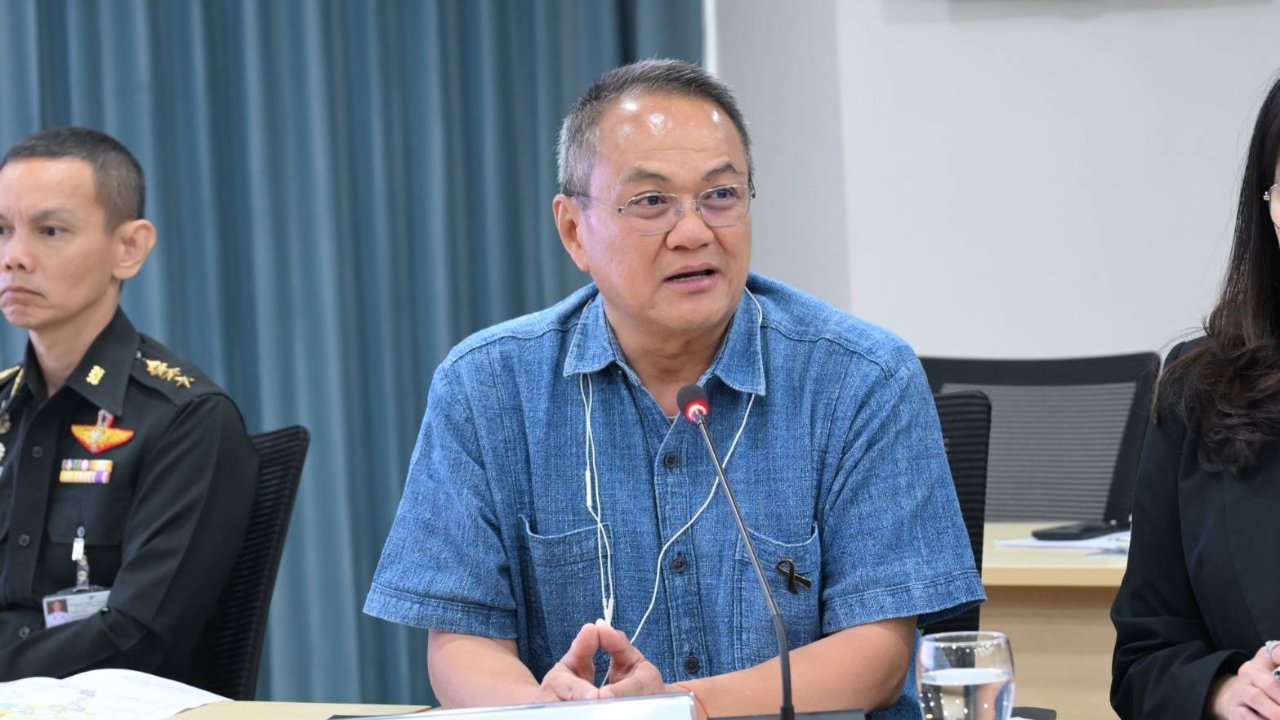
Thanaporn criticized rumors that Thaksin closed the Thai shrimp deal, pointing out it is just an IO group trying to please their boss, aiming to claim credit and hurt the morale of state officials who succeeded after nearly two months of hard work.
On 11 July 2026 GMT+7, Associate Professor Dr. Thanaporn Sriyakul, a well-known political analyst, openly commented on circulating online rumors and political supporters' claims that former Prime Minister Thaksin Shinawatra played a key role behind the successful negotiation to resolve obstacles in Thai shrimp exports to Malaysia.
Dr. Thanaporn stated that these reports are merely hype created by political supporters and do not reflect the reality of international trade negotiations. In fact, the resolution resulted from the continuous collaborative efforts of state officials from both countries over more than two months. Thai technical officials traveled ahead to Kuala Lumpur before Prime Minister Anutin Charnvirakul's visit to draft detailed agreements concerning facilitation of barramundi imports from Malaysia and Malaysia sending officials to inspect Thai shrimp farm standards, all following established ASEAN free trade cooperation frameworks.
“I believe the IO group sensed their boss was making a comeback and wanted to produce a show of results, but this unfairly harms the dedicated workers. The state officials have worked hard all along, yet the process is being hijacked by those falsely claiming credit. If anyone insists that the former prime minister truly closed this deal, they should present clear evidence,” Dr. Thanaporn said.
The political analyst emphasized that the entire international negotiation process was conducted officially by responsible government personnel following formal procedures, without involvement of external individuals lacking legal authority on behalf of the Thai government. No trade partner would agree to binding national agreements with unauthorized persons. Therefore, society should acknowledge and appreciate the dedication of the actual civil servants and officials who contributed to this success rather than attributing all credit to any one individual amid political trends.