

The new-era Ministry of Education has set 1 January 2027 as the milestone date to launch a fully 100% paperless “e-Office” system across the entire ministry, alongside the development of a secure AI framework suitable for all ages and stages.
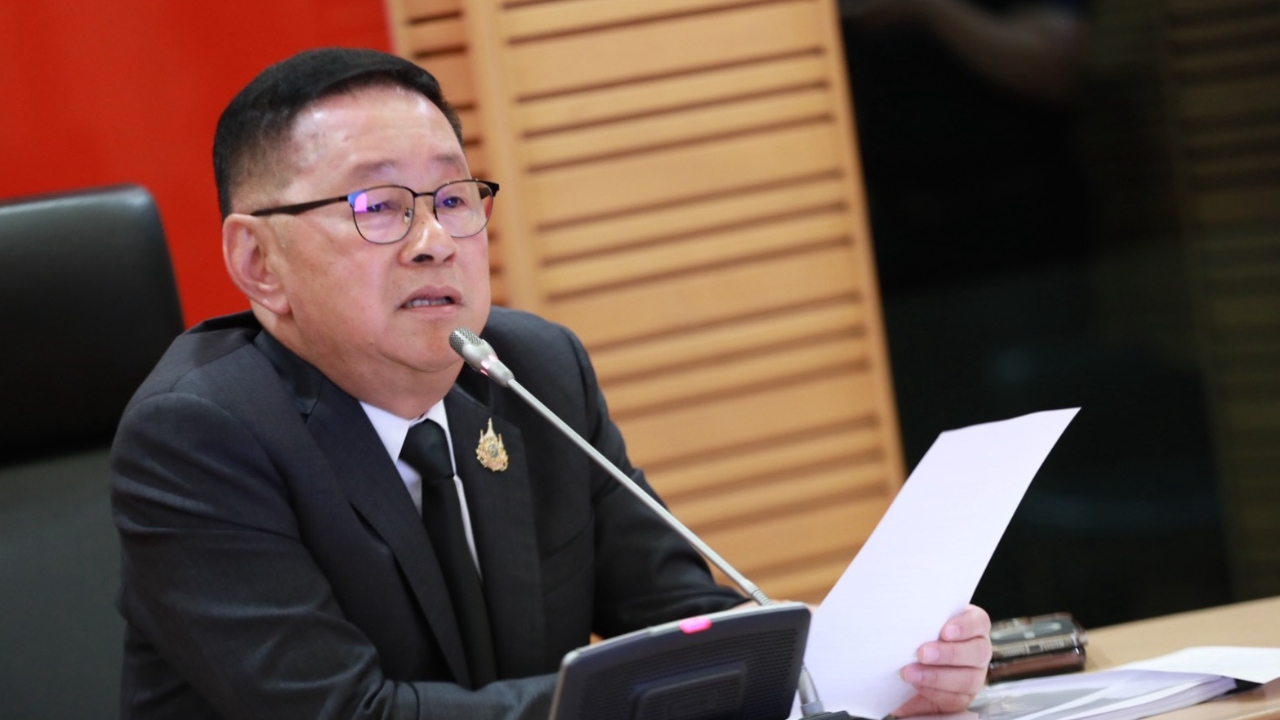
15 July 2026 GMT+7 Mr. Prasert Chandraruangthong, Minister of Education, revealed this after chairing the 6/2026 meeting of the Ministry of Education executives at Meeting Room 1, 2nd floor, Office of the Vocational Education Commission building. The Ministry of Education (MOE) has set 1 January 2027 to implement the “e-Office” system fully, creating a 100% paperless society throughout the ministry.
The Minister of Education stated that he provided policy guidance to MOE executives to prepare for the full digital transformation (Paperless) of internal work processes. By 1 January 2027, every department within the ministry must adopt the e-Office system, completely eliminating paper use to enhance transparency, speed, and reduce administrative costs. Several departments, such as the Secretariat and the Basic Education Commission, have already begun implementation. Simultaneously, pilot projects are underway to develop integrated personnel and document management systems connecting all ministry units via a shared API, enabling data sharing across ministries including Higher Education, Science, Research and Innovation, Labor, and Interior. These systems will feature data security measures and controlled access rights to ensure information safety.

Currently, the MOE is developing an AI Framework standard for learners and teachers to assess the suitability of AI tools for each age group, ranging from early childhood, primary, secondary, vocational education, to non-formal education (Office of the Non-Formal and Informal Education). This framework aims to promote creative and safe AI use among Thai children.
“Recently, the MOE received senior national advice on upgrading education. This includes transitioning distance learning equipment (DLTV) in remote border schools, which has been in use for over 10-15 years, from old television models to modern smart TVs; reviewing O-NET educational achievement assessments to establish a unified standard instead of the previous voluntary system; and promoting vocational skills education (dual education) to enable students to earn income immediately after graduation. This is a collaboration between the Basic Education Commission and the Vocational Education Commission. Plans also include working closely with Border Patrol Police schools to share resources, teaching equipment, and rotate teaching staff. The MOE will continue these discussions to drive efforts to reduce educational disparities comprehensively.”
