

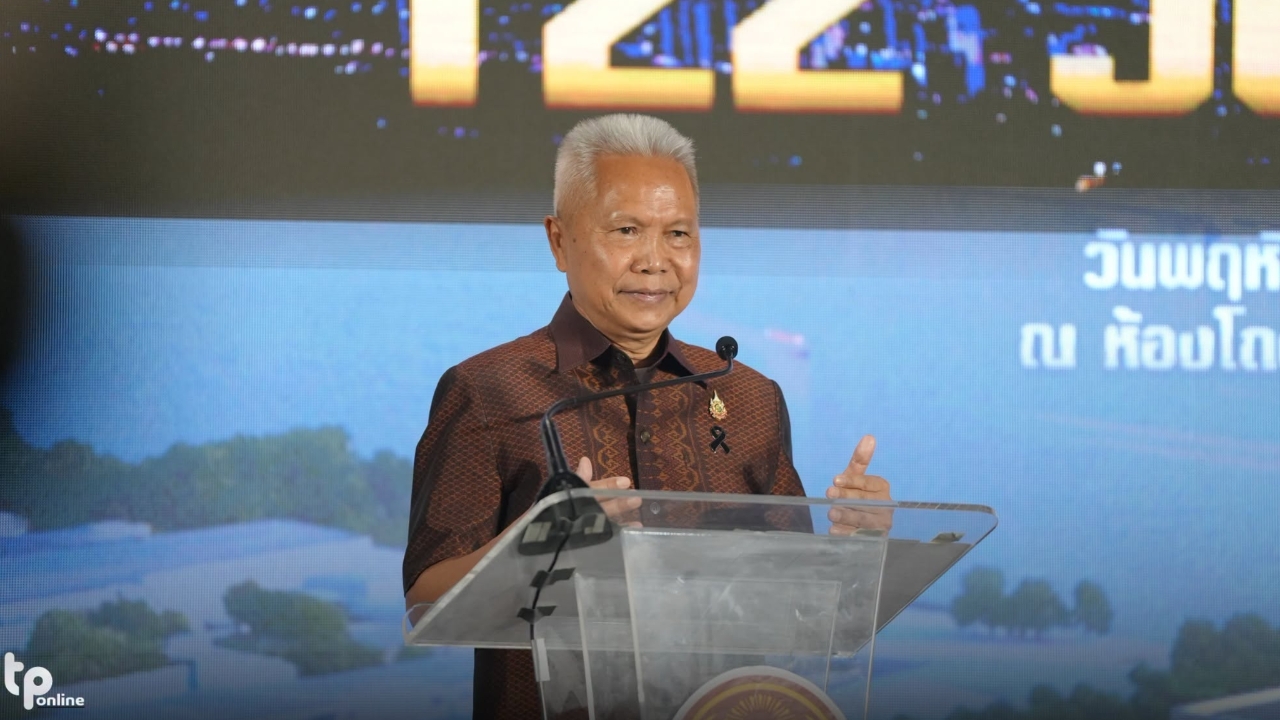
Sophon revealed the appointment of an external committee to examine the 'Saksayam' case, asserting that there is no delay because no time limit is set. He responded sharply to reporters asking how he could know, after being pressed on whitewashing allegations, and insisted that he has performed his duties with the utmost neutrality.
At 10:00 a.m. on 16 Jul 2026 at the parliament, Sophon Sarum, chairman of the parliament, clarified regarding opposition demands for updates on when the complaint filed with the National Anti-Corruption Commission (NACC) about former Transport Minister Saksayam Chidchob’s hidden shares case would be forwarded to the Supreme Court. He said that when he began reviewing the details, he found that the law grants him discretion. He examined past similar cases in parliament involving several chairpersons, who all appointed committees. Without naming names, he explained that all used this method. He acknowledged his own limited legal expertise and prudence compared to others, so he also chose to appoint a committee. Before the session ended, he approached potential members and on 15 Jul signed to appoint an external committee, including just two internal expert members. This committee will advise him on how to proceed. He straightforwardly said he is not delaying because there is no reason to do so; rather, given the discretion allowed, he referred to how past cases were handled.
When asked if the appointed committee has a set timeframe for investigation, Sophon replied that no deadline was set, and it should proceed appropriately. He added that if the process moves quickly, that is good. He explained that because some matters depend on legal mechanisms, opinions can differ, but conclusions must be based on the legal provisions under review. He said the committee members are reputable experts who would not risk their honor frivolously. When further asked if some might suspect whitewashing if the case is not submitted to the Supreme Court, Sophon responded that he cannot know how long the committee will take and cannot preemptively accuse them of whitewashing. He reiterated that the process follows the law.
"Whether someone whitewashes depends on their judgment. If that is the case, then the ongoing disputes boil down to 'if this, then that.' If so, then let them argue. This matter has been addressed; let’s move on to others," Sophon said.
When pressed about questions from the opposition regarding his impartiality as chairman, Sophon said he believes he is as neutral as possible. He noted that the government side has accused him of bias. He asked if anyone has seen protests indicating such bias and said accusations without basis can be made by anyone. If he sided with one party, he would make the other an enemy. Even opposition members have praised his rulings when favorable, which can be verified through clips. He said he told them not to praise him. He chooses to rely on parliamentary regulations as his standard. Once the chairman rules, the matter should end. Having been in parliament since 2001, he said issues should conclude within the meeting room, but lately they end with press conferences. He adheres to the regulations. Supporters say he is neutral; critics say he is not. Therefore, he sees no need to declare neutrality; he simply follows the rules.