

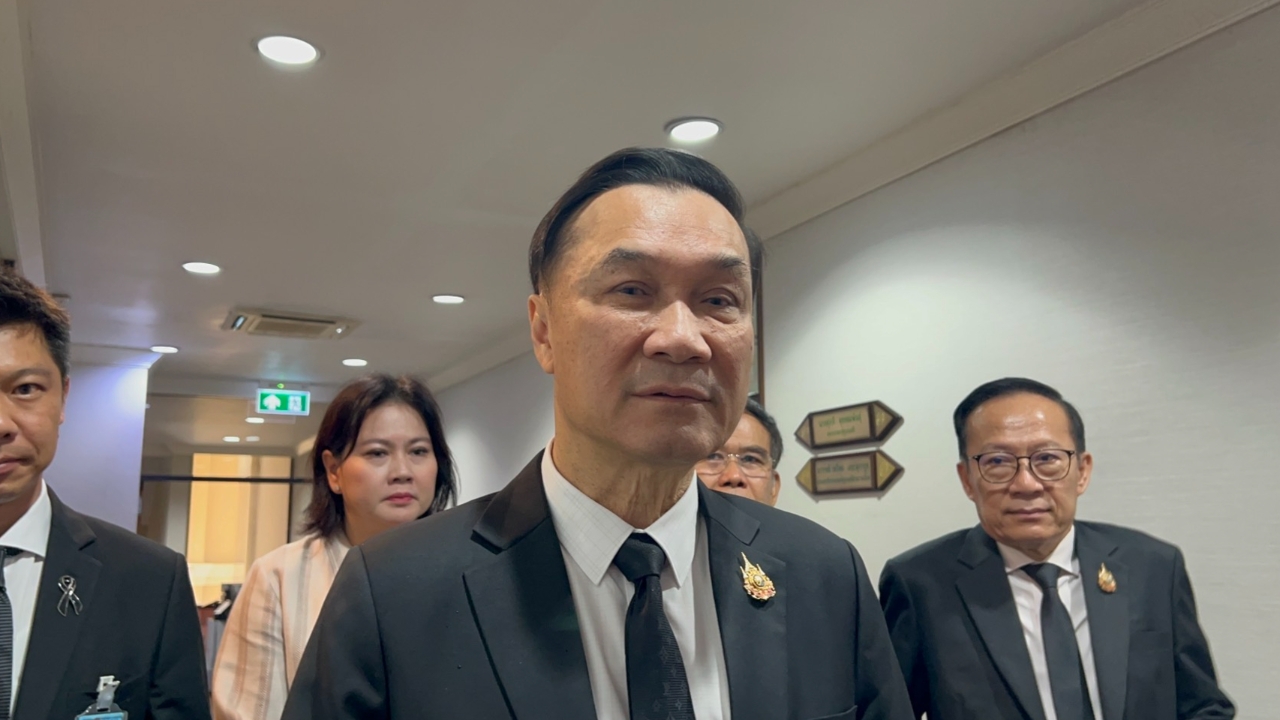
Deputy Prime Minister Songsak rejects involvement in Senate election collusion, affirms his innocence, and plans to pursue legal action to protect his rights after being implicated by iLaw.
At 10:10 a.m. on 22 July 2026 at the Government House, Deputy Prime Minister Songsak Thongsri addressed the case where iLaw released a list naming individuals allegedly involved in colluding on Senate elections, including himself as one of nine. He said, "When they mention us and include our names related to Senate collusion, which is understood to be illegal, clearly having our names in this context causes damage to us, and we must proceed through legal channels. This is fundamental."
Asked whether the naming and exposure constitute political attacks, Songsak said he did not want to frame it that way but acknowledged uncertainty about the intent behind revealing the names amid public interest. He said clarity is necessary when implicating others without solid facts. Politics involves public scrutiny, which is normal, but when it causes harm, sympathy is needed. Ultimately, legal processes must be used to claim one’s legal rights and legitimacy. He noted that he has followed the news and that Bhumjaithai Party’s legal team is pursuing legal measures.
When asked if this responsibility falls entirely on the Bhumjaithai Party’s legal team, Songsak replied that the party’s legal team will handle the overall process since several party members have been implicated.
Regarding whether he will file a personal complaint, Songsak said these matters are already in the justice system and need discussion since multiple people, mostly ministers, are involved. He only learned about the allegations yesterday (21 July) and sometimes misses news. Ultimately, he has no involvement in the matter. He has initially discussed with the other implicated ministers to assess how the allegations damage them. Lawsuits require clarity on how, by whom, and in what capacity the accusations were made. As a politician and public figure, he accepts criticism, but it is necessary to examine whether the statements cause legal harm before proceeding.