

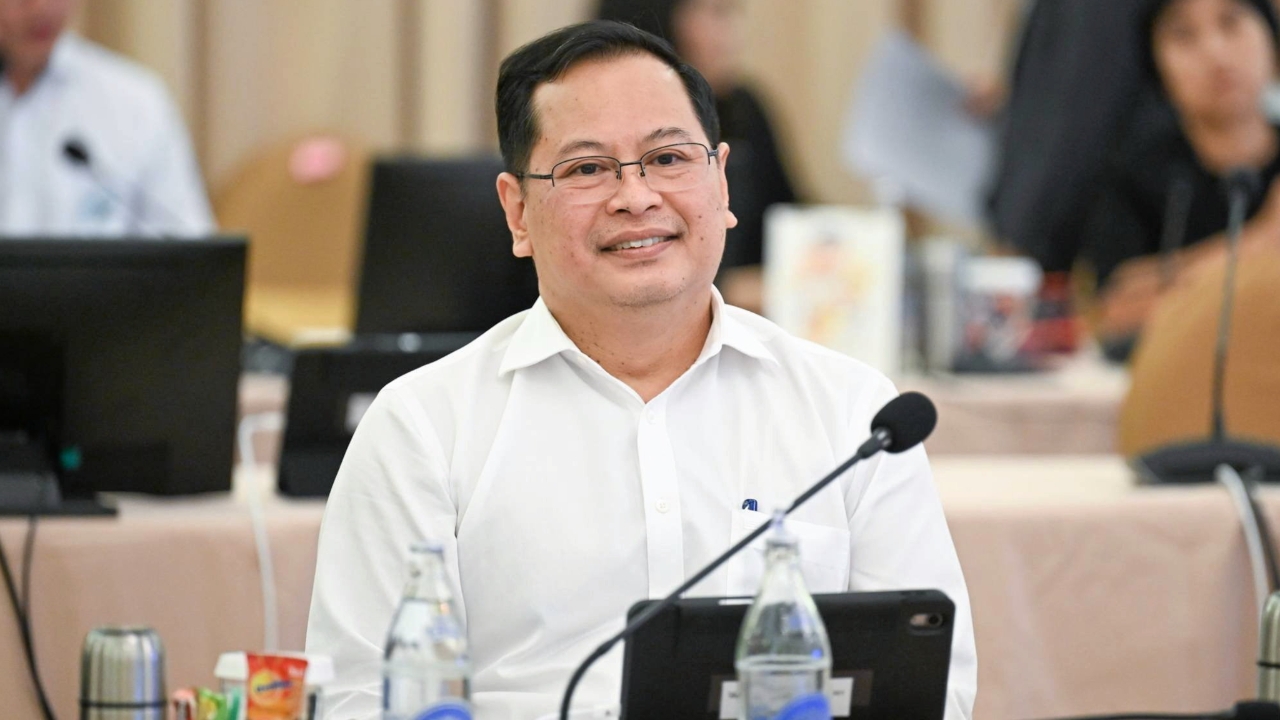
The government unveiled the Multi-Stakeholder Forum (MSF) for open government administration. Prime Minister Anutin Chanvirakul signed a Prime Minister’s Office order involving representatives from the state, private sector, and civil society to jointly fight corruption, ensuring operations are transparent, auditable, and accessible to the public.
23 July 2026 GMT+7 Ms. Ratchada Thanadirek, spokesperson for the Prime Minister's Office, revealed that Prime Minister Anutin Chanvirakul signed Prime Minister's Office Order No. 278/2026 appointing the Multi-Stakeholder Forum for open government administration (Multi-Stakeholder Forum: MSF). This is a collaborative mechanism involving the government, private sector, civil society, and official experts to jointly set policy directions, drive open government initiatives, and support membership in the Open Government Partnership (OGP).
The spokesperson for the Prime Minister's Office stated, this committee is chaired by Deputy Prime Minister Pakorn Nilprapunt. Its goal is to elevate government operations from single-agency management to integrated cooperation among all sectors—from policy formulation, drafting the National Action Plan (NAP), to monitoring and evaluation—to ensure transparency, accountability, and tangible responsiveness to the public.
Deputy Prime Minister Pakorn outlined that Open Government or “Open Government Administration” represents a shift in governmental mindset and operations, based on transparency, public access to information, auditability, and citizen participation in policymaking. It incorporates digital technology to connect government data, enhancing services under internationally accepted security exceptions. This improves efficiency and reduces corruption. Therefore, Open Government, Digital Government, Responsive Government, Transparency, and Anti-Corruption are interconnected, aiming to make public administration effective, transparent, reduce corruption, and better meet citizens’ needs.
The committee also includes representatives from government, private sector, civil society, and experts such as Mr. Kobsak Pootrakul, Mr. Mana Nimitmongkol, Mr. Weerasak Kovsurat, Mr. Kitti Tangjitramanisakda, and Mr. Suriyadeo Tripathi. Their duties include setting directions and strategies for open government administration, reviewing the National Action Plan (NAP) before submission to the Cabinet, overseeing implementation, and appointing subcommittees or working groups. The Office of the Public Sector Development Commission (OPDC) is assigned as the central coordinating agency to support the initiative.
“The government aims to enhance citizen-centered public administration, opening opportunities for all sectors to participate in policy-making and monitoring to ensure government decisions are well-rounded, transparent, and accountable. This elevates national governance standards and supports joining the Open Government Partnership (OGP) network,” the spokesperson added.


