

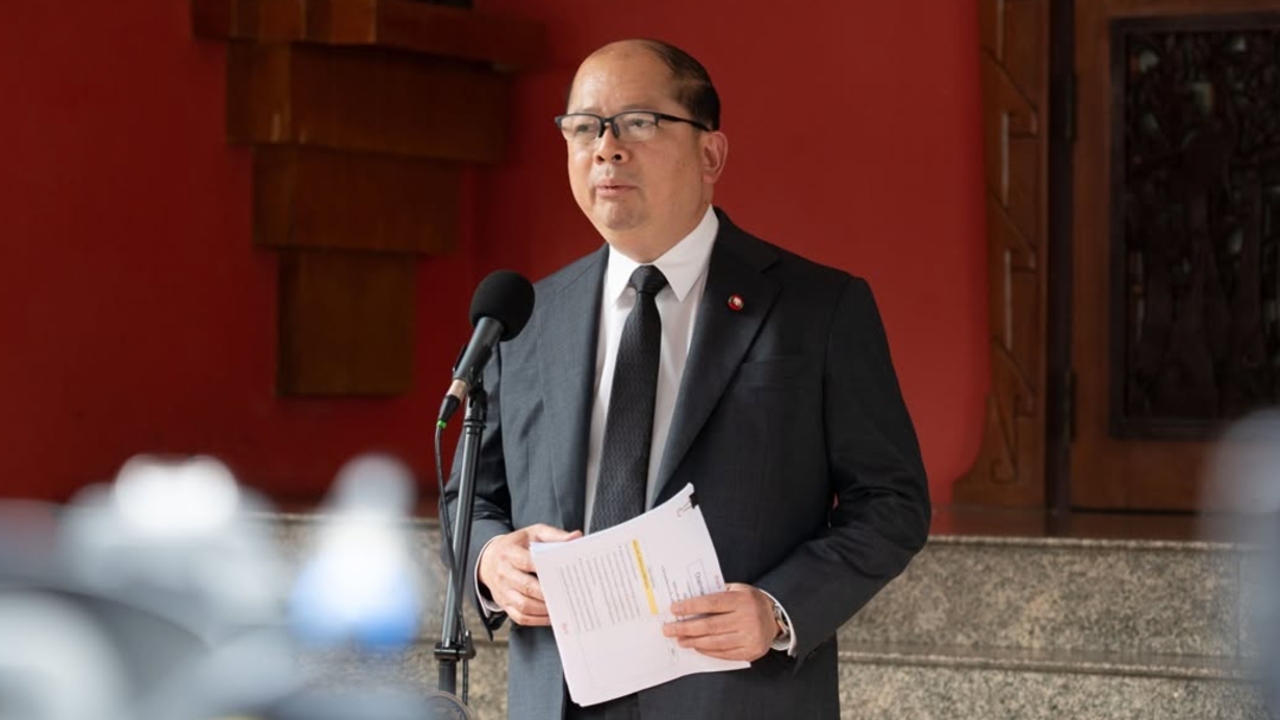
The National Security Council Secretary-General pointed out that resolving the southern unrest requires dialogue alongside strict law enforcement. He stated that relying solely on violent retaliation would intensify and complicate the conflict further. He believes more than half of the dissenting groups are willing to engage in talks and dialogue.
At 07:20 on 24 July 2026 at the Government House, Mr. Chatchai Bangchuad, Secretary-General of the National Security Council (NSC), commented on the violent incidents in the southern border provinces, expressing regret over the events. He noted that the peace talks, led by Mr. Thanat Suwannanon, Director of the National Intelligence Agency, have made significant progress. The policy of dialogue is accepted by civil society and must continue, as more than half of the dissenting groups are willing to talk. Those still using violence must face strict law enforcement.
He added that saying violence would halt dialogue is incorrect because a considerable number of groups remain willing to cooperate and reintegrate into society. Only a minority use violence. He reaffirmed that law enforcement must be strictly applied, consistent with the Prime Minister’s stance. Regarding progress, the chief peace negotiator already has clear plans for moving forward.
When asked if dissenting groups still communicate internally, Mr. Chatchai said it is believed that all dissenting groups, including violent ones, maintain some level of communication and likely know each other. However, it is important to distinguish between them. He stressed that any use of violence must be met with strict law enforcement, while dialogue should be maintained. He warned that refusing dialogue and responding solely with violence would only increase chaos, intensify conflicts, and complicate the situation further.
Asked about intelligence assessments on the likelihood of increased attacks, Mr. Chatchai said intelligence agencies are making every effort to gather information. However, unforeseen incidents sometimes occur, which is regrettable. He personally believes all parties, including military commanders, soldiers, police, and civilians, are doing their utmost.
When questioned if stricter security measures might provoke retaliation, Mr. Chatchai explained that strictness means enforcing the law firmly, which must continue alongside dialogue. Both approaches must proceed together; neglecting either is not acceptable. This principle is clear.
The NSC Secretary-General also highlighted Malaysia’s role as facilitator in the peace talks, noting cooperative border management. He believes Malaysia can reach dissenting groups residing there to help coordinate and control violent activities. Evidence includes the absence of incidents during the Prime Minister’s visits to Malaysia, both before and after, suggesting violent groups respect Malaysia’s role and avoid actions that would spoil the atmosphere. Therefore, cooperation with Malaysia remains essential.