

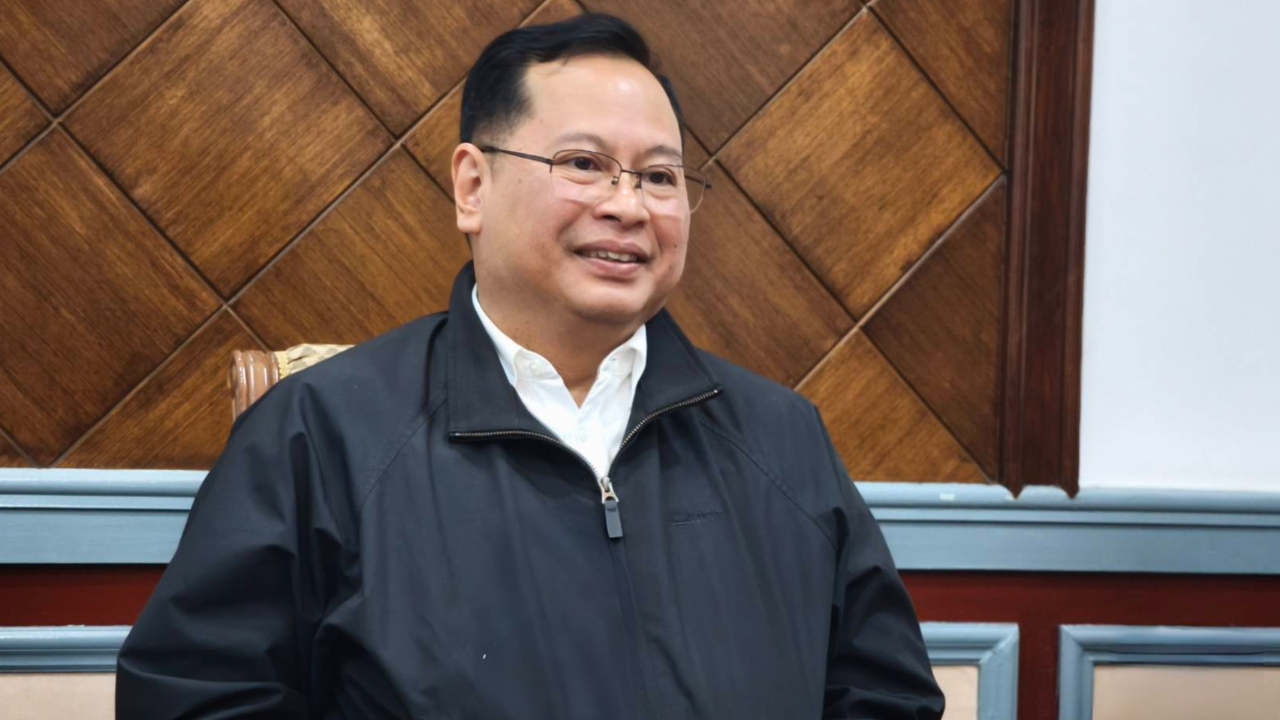
Deputy Prime Minister Pakorn pointed out that Thailand is advancing labor measures aligned with international OECD standards. He emphasized the urgent need to find new solutions, diversify markets, and increase bargaining power to handle US tax measures imposed.
On 24 July 2026 at the Government House, Deputy Prime Minister Pakorn Nilprapunt revealed that the US has announced a 12.5% import tax under Section 301 on over 37 trading partner countries, including Thailand. He said the government has already implemented various measures to address all US concerns, especially by setting criteria for imported goods at risk of forced labor, which have been approved by the Cabinet.
"We have had measures in place for this issue, but they may not have fully satisfied US authorities. The government has enacted legal criteria following general international standards and OECD guidelines, so we have done our utmost," he said.
Mr. Pakorn said the current global situation has changed significantly, making forecasting difficult and directly affecting Thai exporters who now face abnormal conditions unlike those in the past 20 years. The current environment reflects the decline of multilateral rules, leading many countries to prefer negotiating in groups to reduce tariffs and trade barriers. Thailand must prepare to handle this volatility.
He added that the trend toward global power blocs means Thailand must swiftly adapt by negotiating free trade agreements with other partners to spread risks away from over-dependence on the increasingly uncertain US market.
Thus, Thailand facing US tax measures shows that international standards alone may not resolve trade disputes. There must also be efforts to build bargaining power through regional cooperation and strengthening the domestic economy.
Previously, on 23 June 2026, the Cabinet approved the Ministry of Labor's proposal to establish criteria for imported goods at risk of forced labor to aid trade negotiation strategies and demonstrate Thailand's commitment to addressing forced labor throughout supply chains.
The Cabinet approved two key points: first, to acknowledge the findings of Thailand's investigation; second, to establish a committee chaired by the Minister of Labor to set standards for imported goods at risk from forced labor. This committee will have authority to devise measures and solutions for imports involving forced labor, consistent with World Trade Organization (WTO) principles.
The committee will also set criteria and standards for verifying documents certifying at-risk imported goods and propose watchlists or risk lists of such goods to the Cabinet. These measures are unprecedented in Thailand.
The established criteria will align with 1. International standards for preventing and addressing forced labor throughout supply chains, namely the UN Guiding Principles on Business and Human Rights (UNGP), focusing on assessing potential forced labor impacts from raw materials to suppliers.
2. Principles of International Labour Organization (ILO) conventions: Convention No. 29 on Forced Labour (1930), its 2014 Protocol supplementing C29, and Convention No. 105 on the Abolition of Forced Labour (1957). Thailand is a party to the United Nations (UN) and ILO conventions.