

"Akniti" folds the Land Bridge plan after studies indicate low economic viability, poor business prospects, and high environmental risks. Plans now aim to develop Ranong Port, linking southern railways northward to China instead.
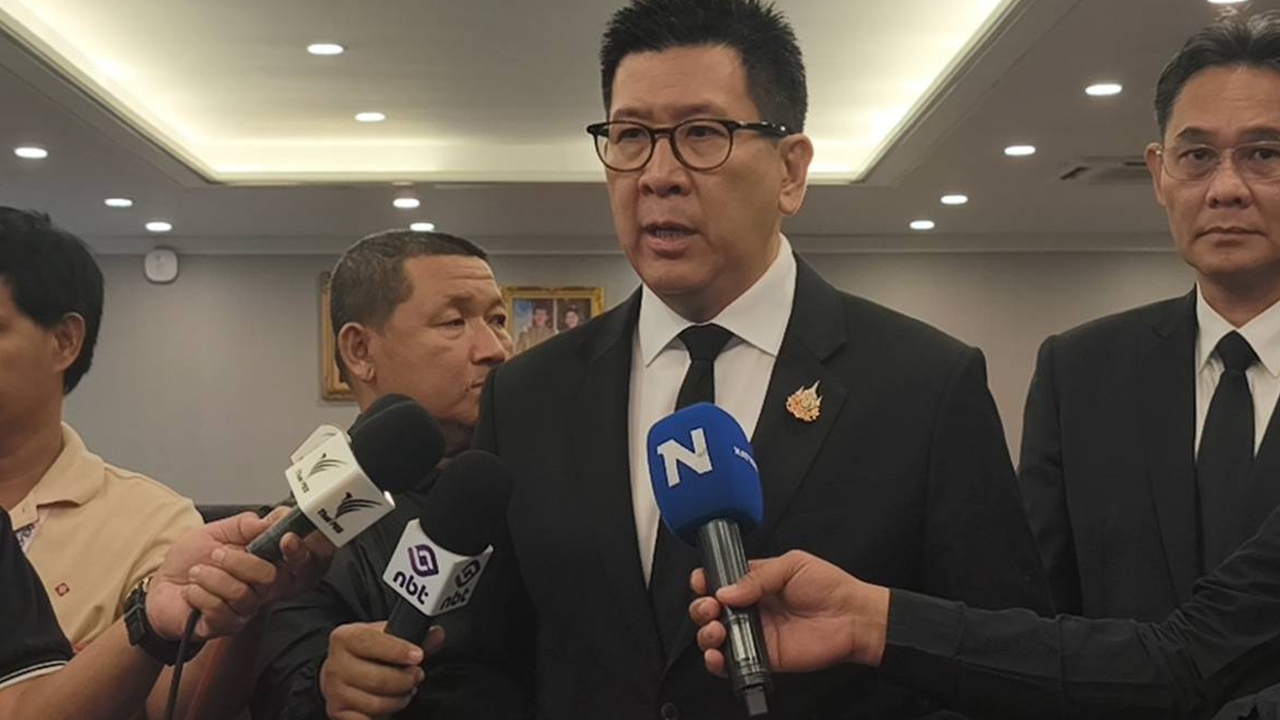
At 4:00 p.m. on 24 July 2026 at the Government House, Deputy Prime Minister and Minister of Finance Akniti Nitithanprapas gave a summary of the committee's study on advancing infrastructure development for transportation linking the Gulf of Thailand and the Andaman Sea (the Land Bridge project). The Prime Minister had ordered the study, which was completed 90 days ahead of schedule. The committee was divided into three groups: 1. Economic and investment feasibility; 2. Environmental study; 3. Public consultation and participation.
Akniti said the committee’s findings concluded the Land Bridge project has a low feasibility level and may impose a high budgetary burden and risks. For example, disruptions in the Middle East have reduced global trade, turning previously positive returns potentially negative, increasing risk. There are also risks from competitors and management, as shipping lines are unlikely to shift to this route because they have established alliances elsewhere.
Additionally, there are risks in managing the speed of cargo movement, which is relatively slow. Therefore, the project’s economic revenue potential is quite low, presenting significant risks.
Regarding environmental risks, Akniti noted they are quite high and require strategic oversight. The study also found a lack of unified integration of environmental data, such as marine ecosystems, coastal community lifestyles, food security, and forest areas. Public feedback showed divided opinions, with private sector and manufacturing industry support but the majority expressing concerns or remaining undecided.
Concerns focus on environmental issues and transparency, with opposition from marine conservation groups. It was therefore suggested to establish ways to build trust and confidence.
Akniti said the committee ultimately resolved that the project has low business feasibility and high impact risks, with social disagreements. However, the private sector still demands southern access to the Andaman Sea, where Ranong Port exists and remains in demand. Thus, there is consideration to improve Ranong Port to its potential and link it with rail systems, connecting northward to China and eastern seaports via a missing rail link opportunity.
There was also a proposal to start large-scale investments based on clear national strategies before any agency studies specific projects. This is an important lesson emphasizing environmental strategic considerations and incorporating public consultation feedback.
When asked if this means the Land Bridge project plan is being shelved, Akniti responded, "You could say that." Today was the committee’s final meeting. The summary report will be submitted to the Prime Minister, and if approved, it will then be presented to the Cabinet as per the committee’s appointment order.
