

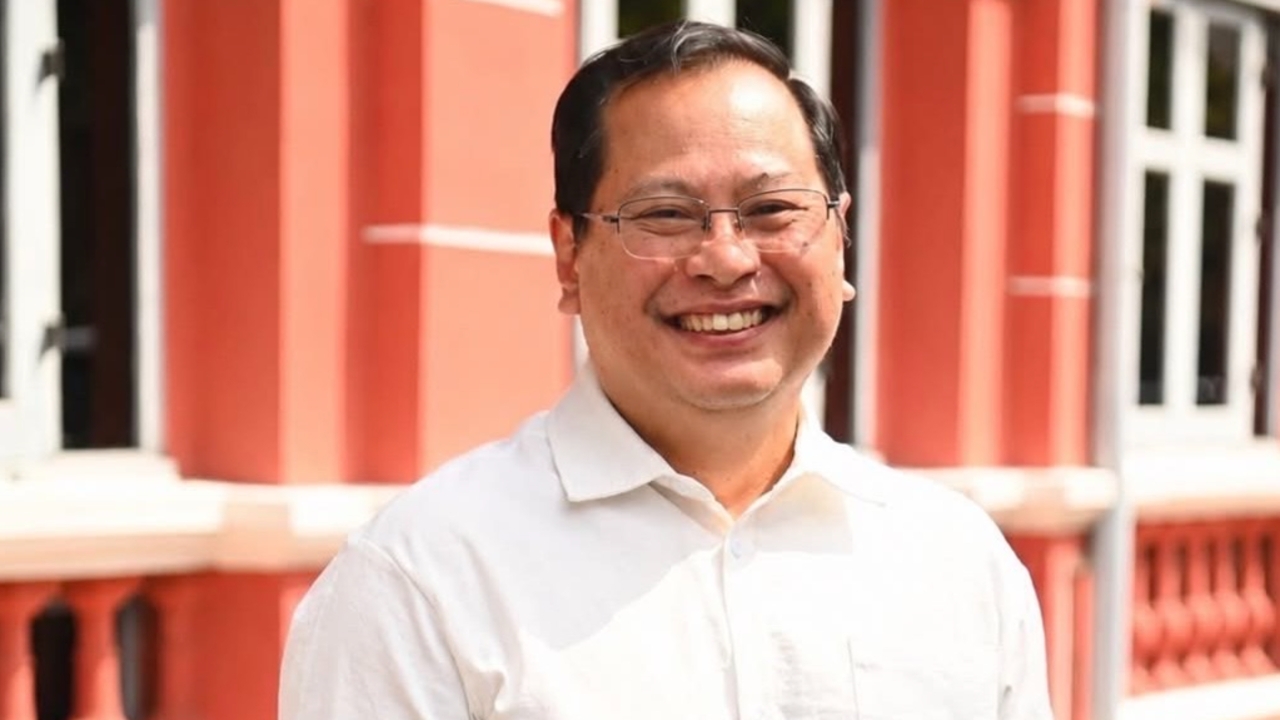
The government is accepting public feedback on the early retirement measure, or Early Retirement, until 5 August 2026. Deputy Prime Minister Pakorn revealed plans to propose to the Cabinet controls on the civil servant quota and the abolition of retirement slots before adjusting civil servant salaries.
On 25 July 2026, Deputy Prime Minister for Legal Affairs Pakorn Nilprapunt spoke on the progress of the early retirement measure for civil servants (Early Retirement). He said the process is currently in a 15-day public consultation phase, from now until 5 August. In the first three days, it attracted significant interest with over 8,000 comments received. The next step is to summarize these suggestions into principles for presentation to the Cabinet meeting scheduled for mid-August 2026.
Meanwhile, in early August, a Cabinet proposal will be made regarding control of the entire civil servant workforce, including civilian officials, military, and police, totaling about 3 million people. The number will be capped to prevent budget strain, as the current quota is already at full capacity. The plan also includes abolishing certain retirement positions, especially those related to layoffs. The Office of the Public Sector Development Commission (OPDC) is currently reviewing this. Key positions will remain, although many are acknowledged as unnecessary.
The Deputy Prime Minister said the project's goal is to restructure to boost the country's competitiveness. If the workforce is reduced from 3 million to 2 million under the existing budget, average salaries and benefits for remaining civil servants will rise. This will serve as an important incentive to attract talented individuals to public service and aligns with trends among large companies worldwide that are downsizing their organizations.
However, the new workforce management mechanism will focus on gradually eliminating vacant positions resulting from retirements to avoid severe operational impacts. This is necessary to streamline the organization in line with societal changes. The Deputy Prime Minister acknowledged that if the plan proceeds as scheduled, salary bases for all civil servants can also be increased.
Regarding the early retirement criteria under consultation, which include age ranges and lump-sum payments, Pakorn admitted adjustments are necessary. Relevant agencies—the Civil Service Commission (CSC), the Public Sector Development Commission (OPDC), the Comptroller General’s Department, and the Budget Bureau—will consider multiple factors.
The government’s principle is to provide financial support to 1) incentivize officials to join the program and 2) manage pension payments within budget constraints. Once all data is gathered, adjustments will be made to maximize benefits for participants and the state. The target number of participants is yet to be set, pending the level of interest, although many have already expressed opinions.
Meanwhile, government spokesperson Ratchada Thanadirek said the government prioritizes public sector development and human resource management alongside fiscal discipline. Therefore, it supports the first round of public consultation on the early retirement principles for regular civil servants, conducted by the Civil Service Commission from 22 July to 5 August 2026. This invites civil servants, stakeholders, and the public to submit comments and suggestions to help refine the measures for suitability and long-term alignment with public workforce management.
So far, over 10,000 people have participated in the consultation, reflecting high public engagement in shaping public human resource policies. The government values comprehensive feedback to ensure transparency, efficiency, and alignment with public administration needs.
The spokesperson added that this consultation aligns with government budget management following the House of Representatives’ approval of the 2027 fiscal year budget bill. It highlights that recurrent expenditures, especially personnel costs, healthcare, and pensions, are rising continuously and now account for over 70% of regular spending. Meanwhile, the government is continuously improving public sector efficiency through digital technology adoption, streamlining bureaucracy, and workforce alignment with agency missions to enhance public service quality while ensuring sustainable and prudent budget use.
“This measure is still in the consultation phase and is not yet in force. The government is open to input from all sectors to inform relevant decision-making stages. All feedback will be crucial to developing suitable policies that balance public workforce management with national fiscal discipline,” the spokesperson said.
The government invites civil servants, stakeholders, and the public to submit opinions on the early retirement principles for regular civil servants (first round) until 5 August 2026 via the legal central system at https://shorturl.ocsc.go.th/qr/EARLY to contribute to developing an efficient, transparent public human resource management system aligned with the country's future development.