

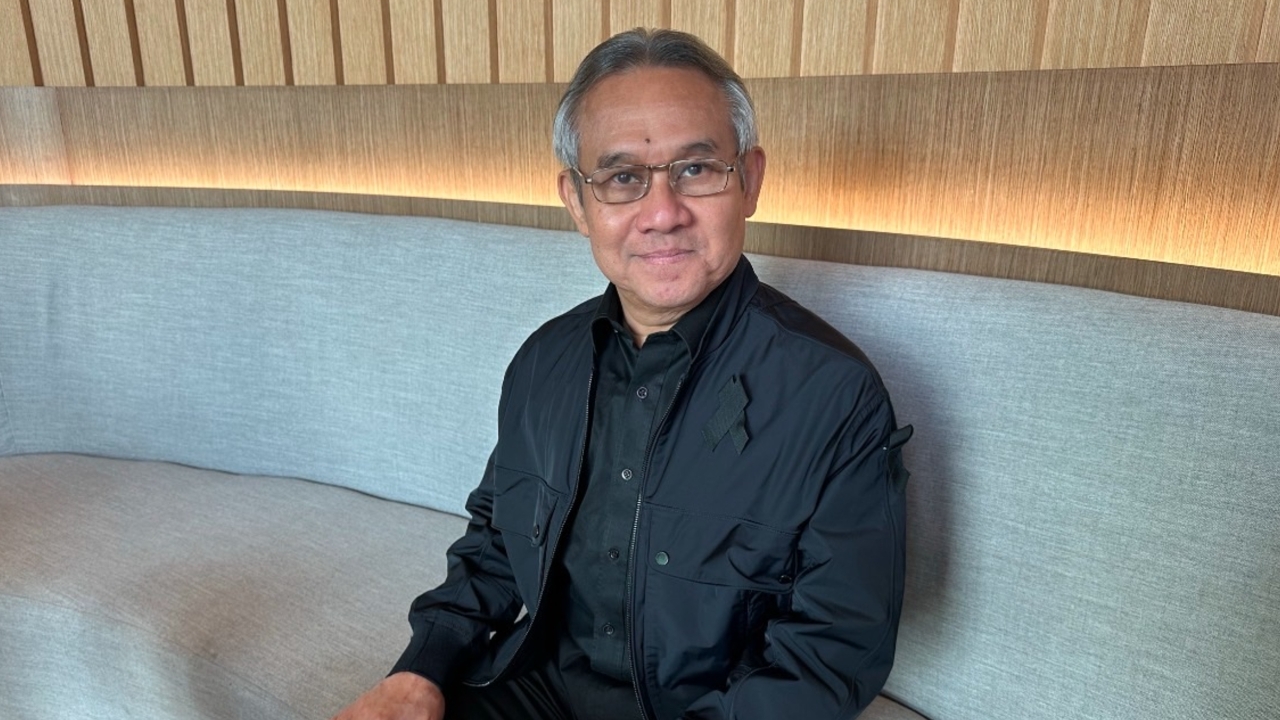
Suradech condemns those who shot border patrol soldiers, criticizes the Defense Minister for remarks that undermine subordinates' morale, questions whether peace talks are appropriate, and suggests canceling the dual citizenship policy and reducing border checkpoint operating hours to pressure neighboring countries.
On 26 July 2026, Suradech Yasawat, an independent politician and former senator, former MP, and former deputy leader of the Palang Pracharath Party, commented on Defense Minister General Adul Boonthamcharoen's statement advising against the term "pursuit" and urging use of peace dialogue mechanisms to resolve unrest in the southern border provinces, following Army Chief of Staff General Chaipruk Duangprapat's announcement to pursue those responsible for the killing of five border patrol soldiers. Suradech said this act was extremely brazen, involving attackers disguised as officials, use of explosives, and occurring in broad daylight, making it very brutal. He condemned the perpetrators, expressed condolences to the families of the soldiers, and encouraged military personnel. He questioned why the Defense Minister spoke this way, as the highest military authority should take strong action—an eye for an eye, tooth for a tooth, pursuing the culprits relentlessly. Otherwise, the country would become lawless, where anyone could kill at will. The attackers, armed and using explosives, are terrorist forces hiding in the area. The Defense Minister’s words undermine troop morale; if he were a subordinate, he would feel unsafe. The Defense Minister should not speak like this.
Suradech said that in addressing the unrest in the southern border provinces, the military should lead rather than politics, as political situations are unstable with frequent government changes. The military offers more certainty. However, with a Defense Minister like the current one, he is uncertain if this is feasible. He does not know the minister personally but feels the minister’s remarks show a lack of responsibility—telling people to negotiate while soldiers have died innocently in the line of duty. It is not enough to just allocate budgets and compensate families; otherwise, insurgents will be emboldened to act without fear of pursuit, relying only on dialogue. This risks spreading unrest beyond the southern border provinces.
Suradech further proposed canceling the dual citizenship policy in the southern border provinces, as it allows insurgents to cause unrest in Thailand and then escape to their other country of citizenship. People must choose one nationality. When he was a senator, he stated in parliament that neighboring countries must be sincere and provide information about who crosses the border. Thailand should put more pressure on neighbors. If not, temporary border checkpoints should be closed, or permanent checkpoints downgraded to temporary status controlled by the military, with set opening and closing times, similar to measures with Cambodia. Since they harmed our people, trade can be halted. Though this is a more severe measure, it may start with adjusting checkpoint levels to pressure neighbors for cooperation. If cooperation fails, checkpoints should be closed, stopping trade, which will impact both countries.
"I am not advocating for closing checkpoints outright but for adjusting their status. If incidents like this continue, they cannot remain permanent checkpoints. They must operate on schedules under strict military control, and the dual citizenship policy must be revoked. The public must see the government’s sincere commitment to their welfare; otherwise, real divisions will deepen, and people will feel abandoned or distrustful. This issue must be addressed. Once peace is restored, the principles of understanding, access, and development should be applied," Suradech stated.
Regarding the peace dialogue process in the southern border provinces, Suradech observed it has been attempted many times over more than 20 years since his tenure as senator. The question remains whether talks are with the right groups or representatives. It is unclear, as factions may have split, with some more radical. Given the recent violent acts, should these be tolerated or overlooked? Internationally, many governments do not negotiate with terrorist groups to avoid encouraging them to make more demands, breaking the cycle of violence and preventing them from achieving their aims. Moreover, negotiations risk provoking further attacks when demands are unmet.
Suradech emphasized that solving the unrest requires cooperation among government, private sector, and citizens. Incentives such as bounties for capturing perpetrators should be offered. Work must be integrated locally, with police assisting; the military cannot manage alone. All sectors, including civilians, district chiefs, and governors, must contribute. Additionally, investigations must reach the masterminds, as insurgents have supporters who supply arms and explosives. Without targeting these backers, the problem will persist.