

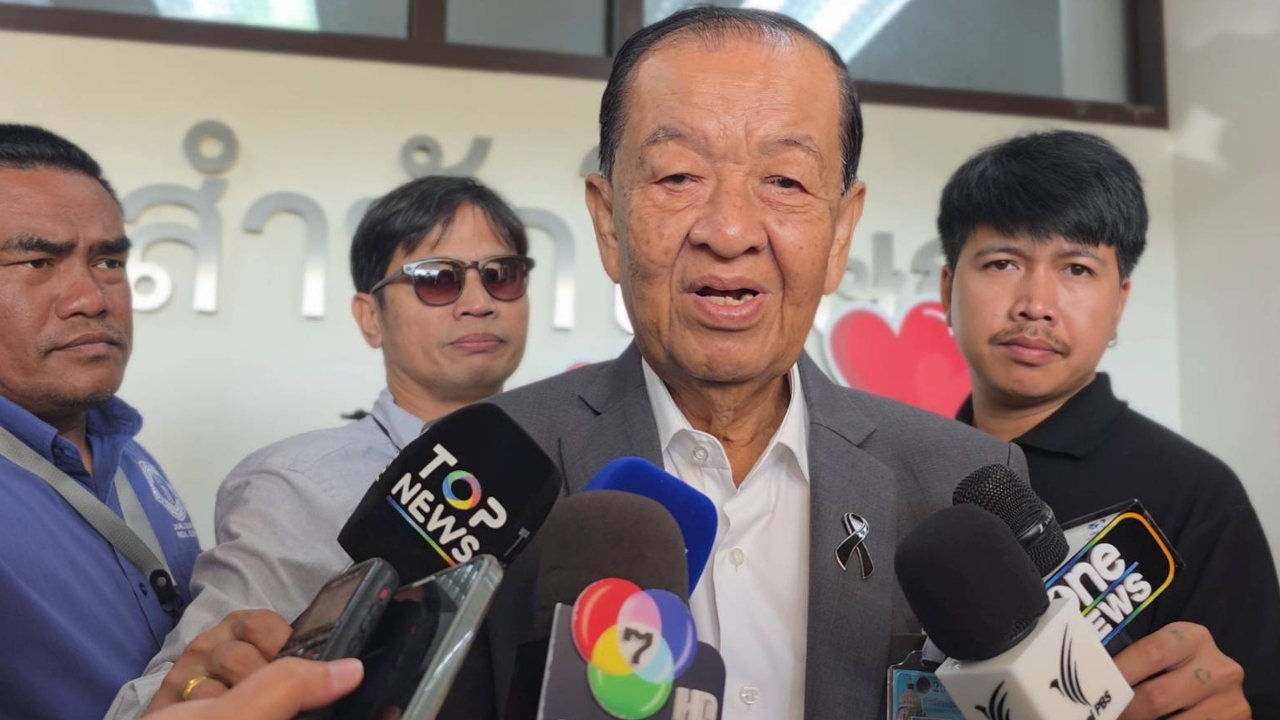
Wannor said that the use of martial law in Narathiwat is a matter for operational forces. He advised the government not to overlook drug trafficking and smuggling issues that contribute to unrest. The special government delegation awaits a meeting called by Sihasak.
On 27 Jul 2026 GMT+7, Wannor Matha, chairman of the Prime Minister’s advisory board, commented on ongoing violence in the southern border provinces. He first expressed condolences for the rangers killed by lawbreakers and urged responsible authorities to enforce the law to punish offenders. He believes the relevant parties are fully engaged in operations. Looking ahead, he said the situation must be assessed to determine how to proceed to prevent further violence.
Regarding the escalation involving martial law in Narathiwat, Wannor Matha said that martial law and emergency laws have long existed in the three southern border provinces. Operational forces must choose appropriate methods for each situation to strengthen enforcement.
Asked whether the violence was a reaction to peace talks, Wannor acknowledged it might slightly complicate negotiations, as there are both supporters and opponents of the talks. He said government policymakers must weigh how best to proceed.
Nevertheless, Wannor emphasized that peace talks remain an official policy and a path toward lasting peace. He said negotiation is still considered a viable approach while law enforcement against offenders must continue in parallel to prevent worsening conditions.
When asked if the perpetrators belonged to groups involved in the talks, Wannor said he was unsure and left assessment to the responsible authorities. He noted that dissenters include both peace advocates and those using armed force. He urged attention also to other crimes in the southern border provinces, such as drug trafficking and smuggling, which may contribute to unrest. He stressed the need for simultaneous efforts and thorough scrutiny of all parties, noting that the provinces with violence also see many drug seizures. Neighboring countries are watching closely, and illicit trade in goods like smuggled oil yields significant profits. Therefore, all illegal activities harmful to the public must be seriously addressed.
Asked if funding from illegal activities might finance violence, Wannor said he could not assess this, as it falls under security and intelligence authorities. He stated that no illegal aspect should be ignored and that the government must enforce laws effectively, as these issues might be interconnected.
Regarding when the government's special delegation on southern border issues would next meet, Wannor said it depends on Sihasak Puangketkaew, Deputy Prime Minister and Foreign Minister, who chairs the delegation. Sihasak has many foreign affairs duties, so the timing is up to him. Meetings should not be less frequent than every two months. Although there was a preliminary meeting, if new problems arise, a meeting should be convened to assess the situation.
In response to criticism that the government neglects southern border issues, Wannor said all parties are working on it but acknowledged frequent government changes. The current administration under Prime Minister and Interior Minister Anutin Charnvirakul has only been in office about 5–6 months. He affirmed efforts are ongoing and that he has been assigned to oversee these matters. He hopes for positive progress if all parties cooperate and coordinate with all sectors, including local communities.