

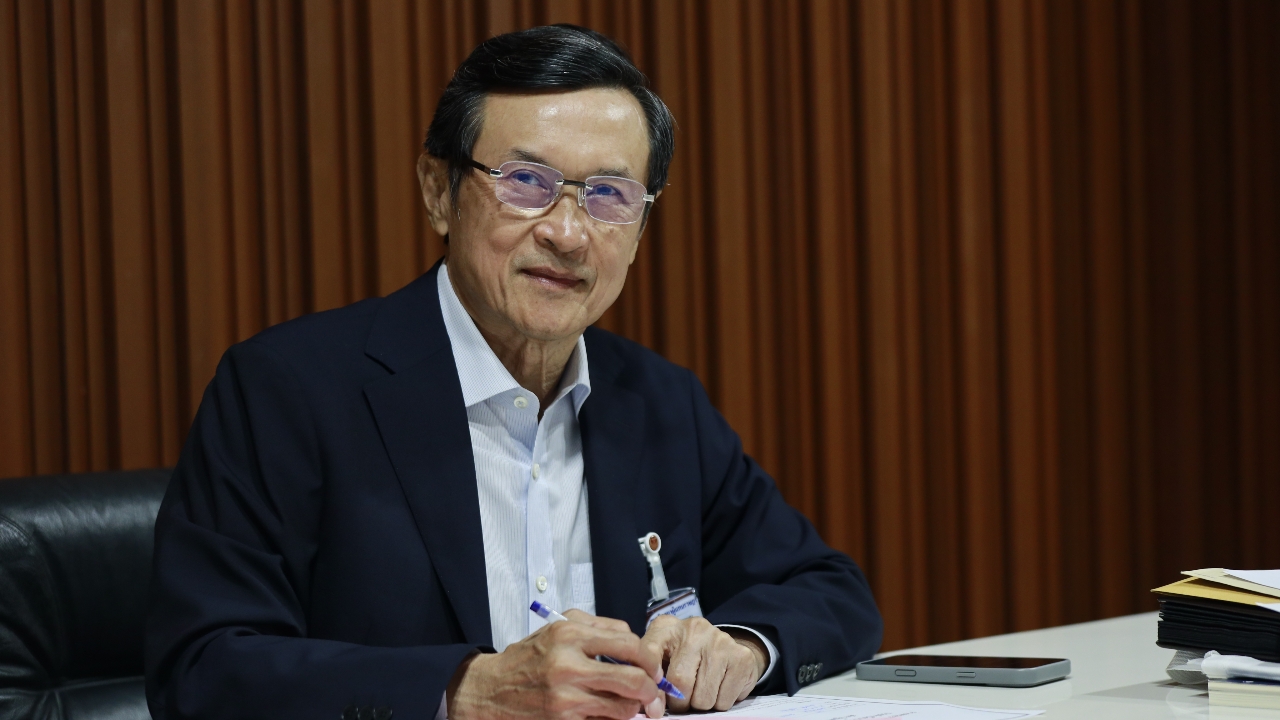
Jaturon submitted a budget amendment for fiscal year 2570, urging that the cut funds should not be pooled into the 'central budget' for the Prime Minister to use at discretion. He expressed concern that agencies have yet to submit new budget requests.
On 31 July 2026, Jaturon Chaisang, a party-list MP from the Pheu Thai Party, submitted a proposed amendment to the draft Budget Expenditure Act for fiscal year 2570 to the special committee on the final day of amendment submissions. He stated that three budget categories are protected by law from cuts: personnel expenses, treasury reimbursements, and loan principal repayments. Thus, budget cuts have always targeted other parts within each ministry, typically by "cutting fat"—reducing only amounts exceeding disbursement statistics without policy consideration.
He believed that in this economic crisis, budget cuts should be guided by policies determining whether items are truly essential to government missions, rather than merely looking at delayed or excessive disbursement figures. Cuts should also be made boldly to projects without legal commitments, even if their budgets are not overspent, if deemed unnecessary or not cost-effective.
His main point was that the funds cut should not be pooled into the 'central budget'; instead, agencies at the department level should resubmit budget plans through their ministries and the Cabinet before the committee reviews them again, following the proper legal process.
“It's not right to just cut any 'fat' found and then put the money into the central budget for the Prime Minister to spend at will,” Jaturon said.
However, he expressed concern that, so far, almost no agencies have prepared new budget proposals as they should, even though the committee has only about one month left to review them.
Regarding budget spending direction, Jaturon said the government should no longer rely on the state budget to stimulate the economy or overall consumption, as the country has limited funds and high fixed obligations. Instead, funds should be focused on building the country's long-term competitiveness by developing personnel skills aligned with new technologies and building infrastructure to support key industries where Thailand has potential, such as medical hubs and wellness sectors.