

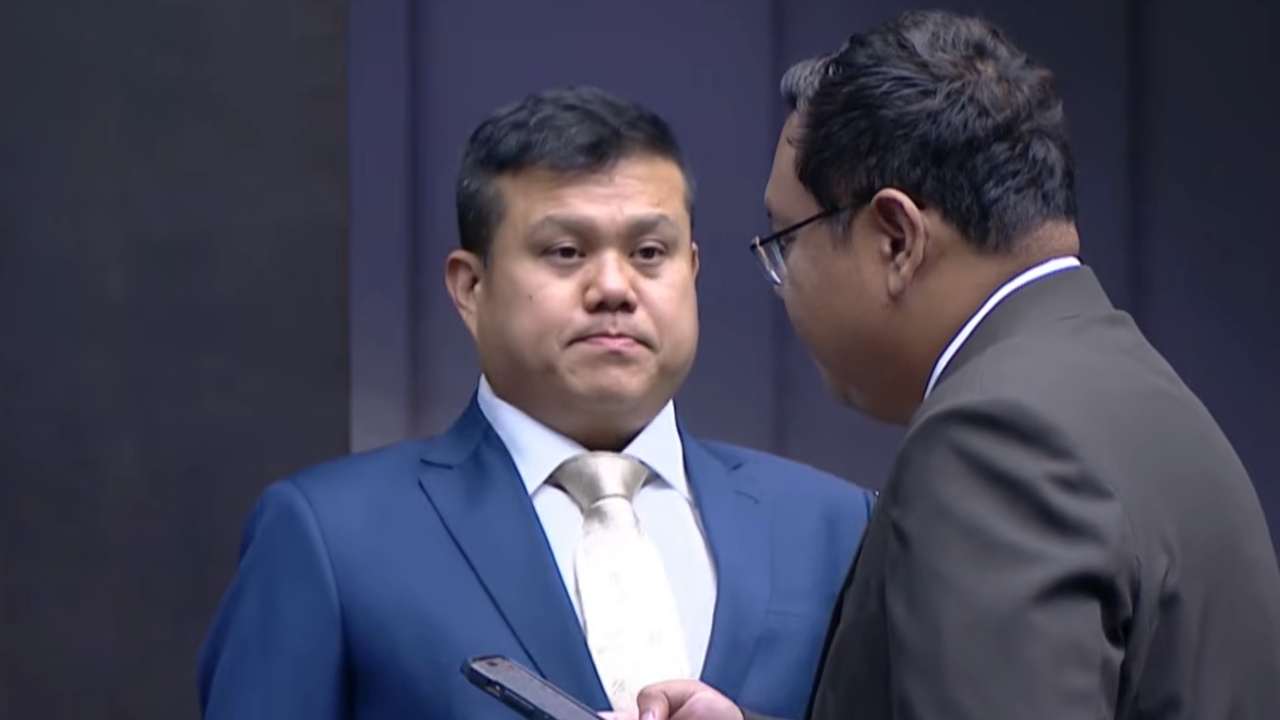
The Bangkok Metropolitan Council was thrown into chaos as People’s Party councilors swapped voting cards. Pattharak admitted casting a vote for Siram. Legal action is being pursued, referencing precedents where MPs were imprisoned for similar proxy voting offenses.
On 31 July 2026, reporters noted that the Bangkok Metropolitan Council held a meeting chaired by Ms. Phatraporn Kengrungruengchai, the council president. The meeting was open, and the chairperson had the authority to order live broadcasting if deemed appropriate.
However, protests erupted during consideration of agenda item 7.11, a draft of the council's meeting rules proposed by Mr. Wiput Sriwaurai, a councilor for Bang Rak district. Anomalies in the voting results were discovered, prompting Mr. Somchai Tempaiboonkul, a councilor for Khlong San district, to protest the vote count because the number of votes did not match the number of members present.
Following this, several councilors intensified their objections. Mr. Narisorn Saengkaew, deputy chairman of the council acting as chair at the time, ordered a recount of the councilors present to verify the number matched the vote count. The meeting agreed to display the voting results on a screen for all members to see. Narisorn then suspended the session while awaiting vote data from the secretariat.
After the meeting resumed, Pattharak Mai-Praneth, a councilor for Yannawa district, took the microphone and admitted to pressing voting buttons on behalf of a fellow councilor, resulting in votes cast on two machines simultaneously: his own and that of Second Lieutenant Siram Prakaikij, a councilor for Sathorn district. Siram acknowledged he did not participate in the vote for that agenda item.
Some councilors present strongly condemned Pattharak’s actions. Most expressed that proxy voting constituted a completed offense. Previously, there had been cases where MPs were sentenced to prison for similar proxy voting.
Reporters learned that leaders of some council parties are discussing pursuing legal action for this incident, citing established precedents from MPs’ proxy voting cases.