

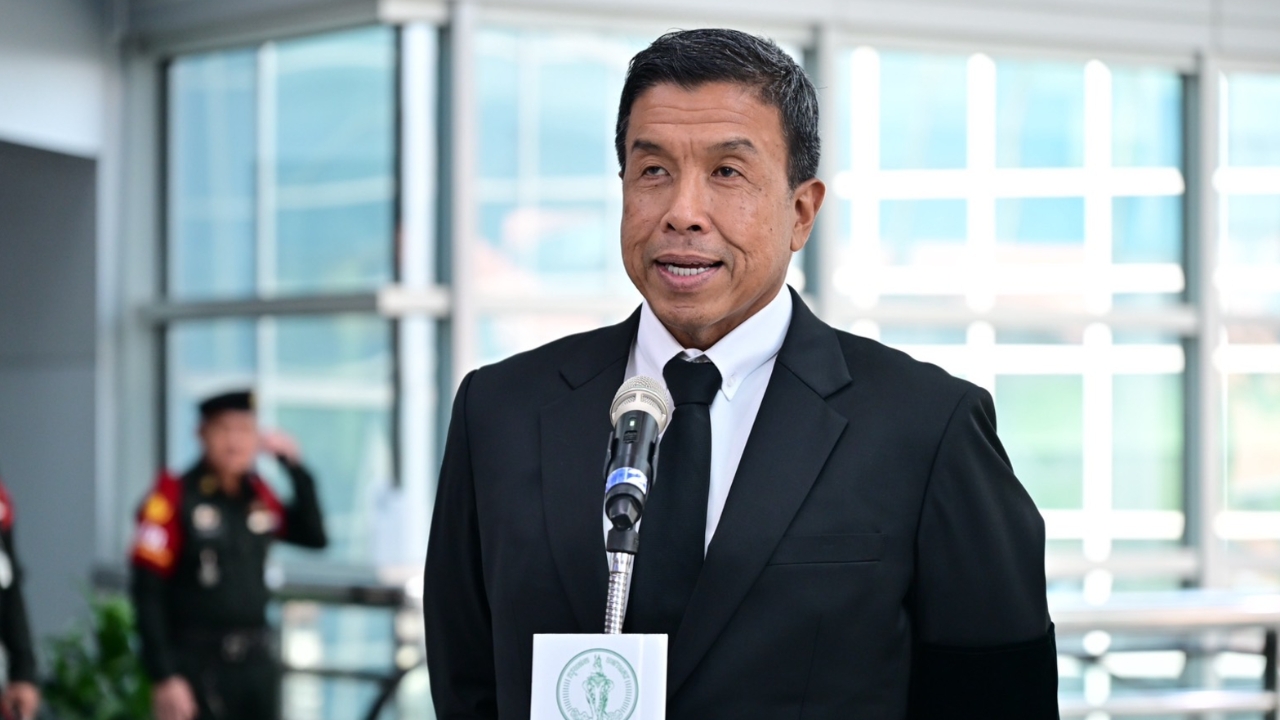
Governor Chatchat revealed Bangkok's 2570 budget framework totaling 93 billion baht, proceeding with a 6 billion baht payment for BTS operations. He also emphasized continuous development of local infrastructure and the launch of an Open Data budget platform for public scrutiny.
On 3 August 2026 at 09:45, Governor Chatchat Sittipunt of Bangkok disclosed the framework for the 2570 fiscal year expenditure budget. He stated that Bangkok has proposed a balanced budget framework (matching revenues and expenditures) totaling 93 billion baht, with expected revenue collection increasing by about 1 billion baht from the previous year.
The revenue structure and budget spending plan of Bangkok contains the following key details.
Bangkok's revenue structure (exceeding 122 billion baht) is divided into two main parts:
1. Bangkok's own budget (93 billion baht), including locally collected revenue (approximately 23 billion baht) such as building and land taxes and signboard taxes, which are expected to meet collection targets; and revenue collected by the government on Bangkok's behalf (approximately 70 billion baht), including value-added tax (VAT), excise taxes, various fees, and vehicle registration fees.
2. Government subsidies (approximately 29 billion baht). Combining Bangkok's budget (93 billion baht) with government support (29 billion baht), the total available management budget is about 122 billion baht.


Regarding key expenditures and budget allocations this year, Governor Chatchat explained that Bangkok faces a significant increase in costs to pay for BTS Green Line operations, rising to 6 billion baht. Previously, this was covered by reserves, but following recommendations from the Bangkok Council, it has been incorporated into the annual expenditure budget: about 5 billion baht covers the gap between fare revenue and BTS operating payments for the extension. The remainder covers infrastructure interest payments owed to the Ministry of Finance. This leaves a net management budget of around 87 billion baht, allocated as follows.
Capital expenditure (approximately 18 billion baht) has been reduced by about 6 billion baht from last year to offset the above expenses. The budget for local-level infrastructure development is about 6.6 billion baht, maintaining strong emphasis on continuous development close to prior year levels. Large-scale projects continue under existing commitments, with only 14 new projects initiated, reflecting reduced new obligations.
The governor further noted external factors affecting revenue, especially the government's reduction of property transfer fees (to 0.01% with an increased price ceiling of 7 million baht), which could cause Bangkok to lose nearly 5 billion baht in revenue. Bangkok plans to consult with the government to explore compensation measures. Additionally, Bangkok has establishedthe website openbudget.bangkokto disclose budget data as Open Data, allowing citizens to participate in transparent monitoring, provide feedback, and suggest budget usage improvements.

