

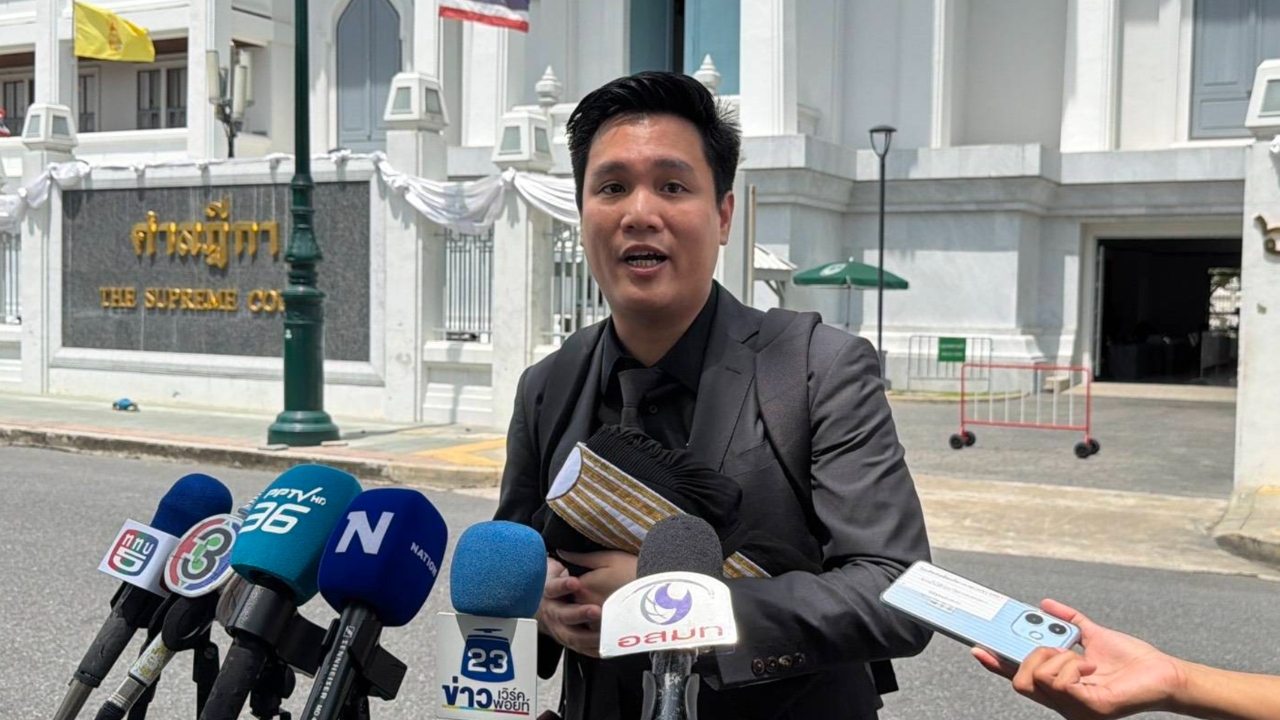
The Supreme Court has scheduled an evidence review for the case involving 44 former Move Forward Party MPs. Lawyers disclosed there are 60 witnesses divided into three main groups. It is expected that Pita Limjaroenrat and Natthapong Ruangpanyawut will testify personally. They also expressed gratitude to the court for providing the accused with full opportunity to defend themselves.
At 09:30 on 4 August 2026, the Supreme Court convened to review evidence in case Kom.Jor.1/2569 between the National Anti-Corruption Commission as complainant and 44 former Move Forward Party MPs as respondents, regarding alleged serious ethical violations due to their collective signing to amend Penal Code Section 112. The court decided to schedule four sessions to hear nine complainant witnesses, starting with the first witness on 25 August 2026. Sixty opposing witnesses will be heard beginning 3 November 2026, with the final session on 18 May 2027 before the verdict is delivered. The court instructed both parties to prepare witness lists and key question points in advance so the court can consider and approve the questions to be asked.
Nithi Lertdee, lawyer for the respondents, said the 60 witnesses can be divided into three main groups:
1. The opposing group consists of former MPs, with key figures such as Pita Limjaroenrat, former Move Forward Party leader, and Natthapong Ruangpanyawut, current leader of the People’s Party, expected to testify personally before the court.
2. Academics including experts in law, political science, and public administration, who will provide comprehensive expert opinions beyond just legal issues.
3. Eyewitnesses who have knowledge of the facts concerning the MPs’ duties during the relevant period.
Nithi added, The main issue in this case is that the actions of the 44 former MPs do not violate ethical standards. The large number of witnesses is not intended to delay proceedings. The court granted the defense team’s requests because it wants the accused to fully defend themselves. The legal team aims to present facts, opinions, and evidence thoroughly in the case file. We thank the court for the opportunity to do so comprehensively. ."