

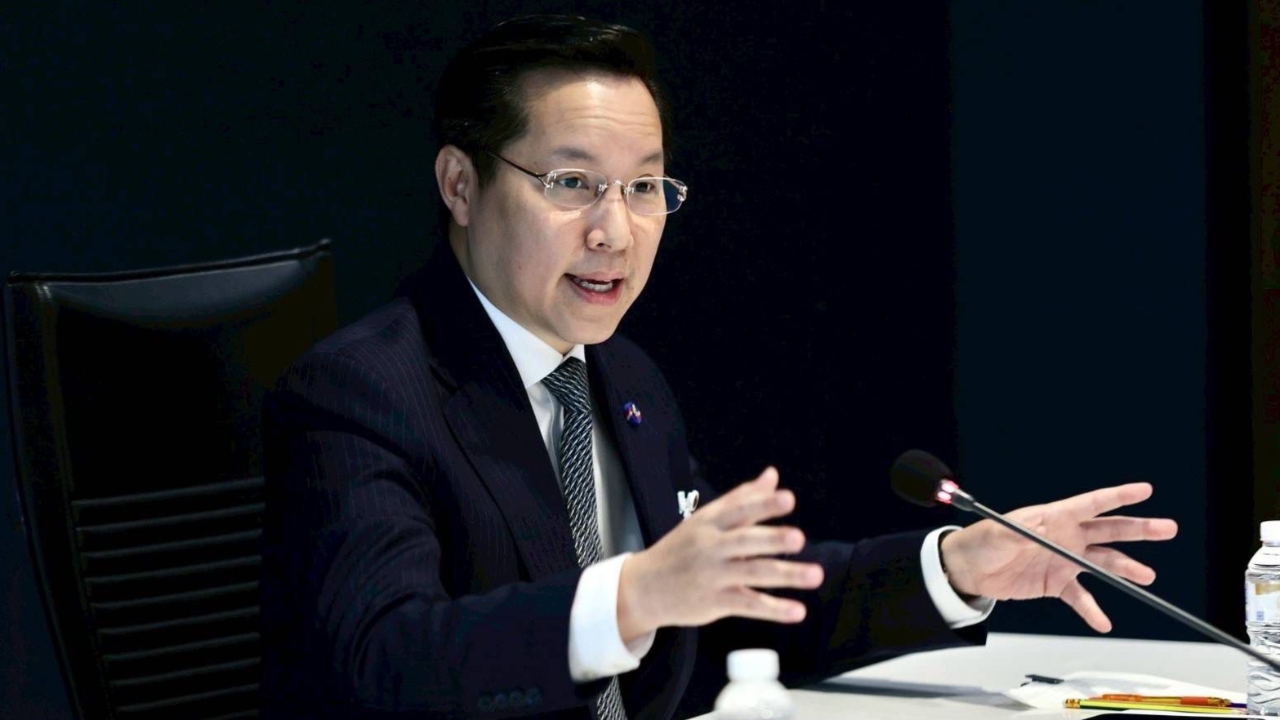
Attawit criticized the Energy Regulatory Commission (ERC) for not proposing electricity rate cuts, even though the government agreed to forgo 18 billion baht in revenue by removing public streetlight electricity fees from consumer bills. He emphatically stated that the ERC should now be dissolved.
On 4 August 2026, Attawit Suwanpakdee, a party-list MP from the United Thai Nation Party (UTNP), posted on Facebook that the streetlight electricity fee of 0.10 baht per unit has been removed from electricity bills, with the government paying 18 billion baht annually instead. Despite this, the ERC has not reduced electricity rates and continues to propose keeping the price at 3.95 baht per unit. He said the ERC should be dissolved. Recently, the Energy Regulatory Commission held a public consultation from 13 to 20 July 2026 proposing four options for electricity rates for September to December 2026. Three options would raise rates, while the last would maintain the current rate of 3.95 baht per unit, with no options reducing prices for consumers.
Attawit added that the ERC was established in 2008 as an independent body to regulate and oversee energy pricing. The Energy Industry Act mandates that the ERC protect the interests of energy consumers regarding service rates. However, over the past decade, the ERC has allowed the state's share of electricity production to drop below 30%, with the remaining 70% produced by private companies. Today, the government absorbs over 18 billion baht annually for streetlight electricity previously included in consumer bills for nearly 40 years. Yet, the ERC still does not propose reducing electricity prices. Attawit suggested dissolving the ERC and transferring its staff to the National Energy Policy Council (NEPC), which currently only sets policy directives without enforcement. He emphasized the need to restructure the energy governance system to make it more complete and effective.