

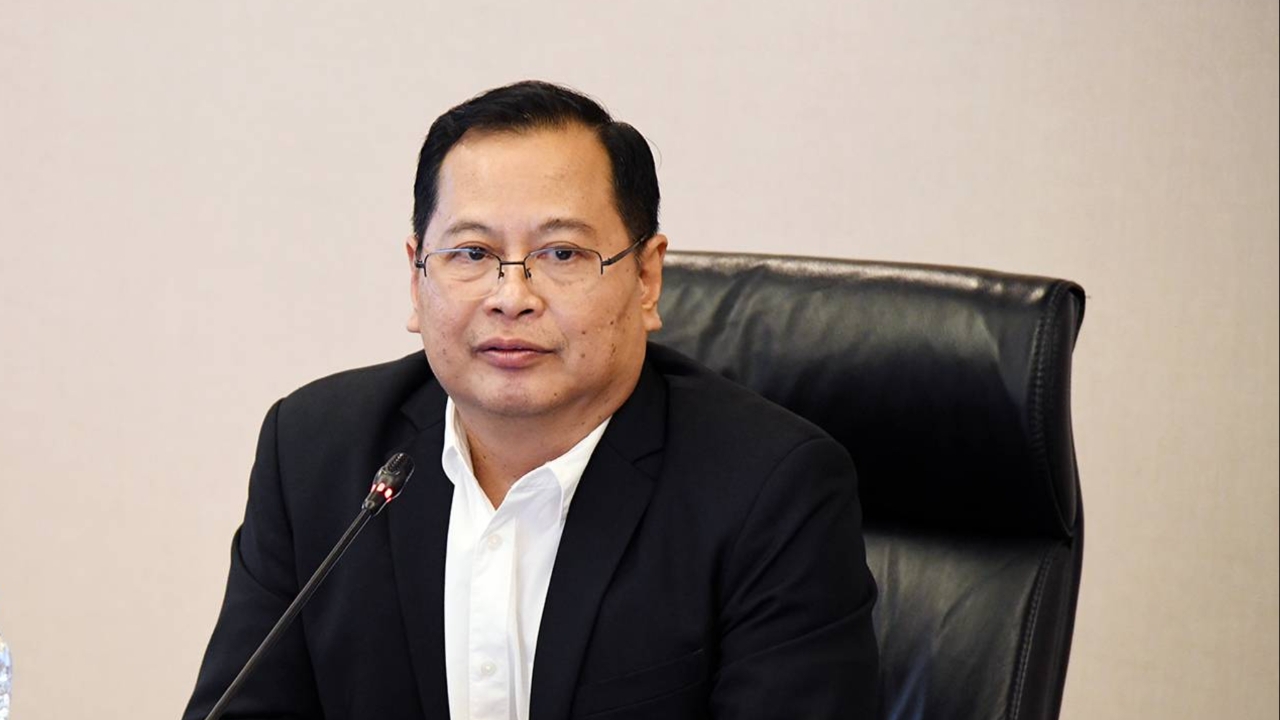
Pakorn said the investigation into local government exam corruption has concluded and will be forwarded to the Prime Minister for further action. He pointed out involvement of senior officials and flaws in nearly every step, with more than 100 people implicated. He stressed this is a lengthy case that won’t end easily, but it will be resolved.
At 15:40 on 4 Aug 2026 GMT+7, Deputy Prime Minister for Legal Affairs Pakorn Nilprapunt held a press briefing at Government House after chairing the fact-finding and legal committee on corruption in the 2025 local government civil service recruitment exam, meeting number 4/2026. He said today was the final session to review documents and evidence. The committee will finalize the report and recommendations, then submit them to the Prime Minister for prompt action.
He emphasized the committee has established what processes were involved and where flaws occurred. Nearly every step showed deficiencies, with many agencies, officials, and outsiders involved—over 100 people in total.
Regarding criminal, corruption, and civil proceedings against all involved, Pakorn said these will proceed in due course. The findings will form the basis to identify procedural flaws and guide next steps, allowing the Prime Minister to issue directives.
, On the issue of already announced exam results, the Deputy Prime Minister said the Department of Local Administration (DLA) will handle further actions. He acknowledged the case implicates senior officials and several outsiders. There are contractual issues with partners that require civil action due to significant damage to the state.
Pakorn also stated the entire exam must be retaken, as the responsible organization allowed serious flaws leading to this situation. The Ministry of Interior will continue and investigate individuals’ intent. He concluded, “This is a long saga, not ending easily, but it will end.”
, Meanwhile, National Police Chief Pol Gen Kittirat Phanphet added that the internal investigation took 30 days as ordered by the Prime Minister. They traced the origin of quota requests and found irregularities concerning the requested numbers, certifications, and recruitments exceeding the approved quota. This was highlighted for the Prime Minister’s consideration regarding quota limits.
The fact-finding also examined all exam phases for flaws or suspicious points enabling corruption: before, during, and after the exam. Before the exam, documents and testimonies were reviewed to check if terms of reference were proper or biased. During the exam, supervision and exam center allocations were assessed. The critical period was after the exam, where score alterations and certification of successful candidates were found, including changes in numbers and irregular score sheets. These findings form the committee’s preliminary conclusions and recommendations to the Prime Minister concerning individuals potentially liable for civil, criminal, disciplinary, and ethical offenses. Further actions will be pursued by relevant agencies, as the committee’s role ends here.
Regarding restructuring or reviewing committees and procedures, the Police Chief said recommendations will specify responsibilities for agencies like the Ministry of Interior, Department of Local Administration, Civil Service Commission, Royal Thai Police, National Anti-Corruption Commission, and Anti-Money Laundering Office on legal proceedings. This summary has been prepared for the fact-finding committee’s review. After minor adjustments expected within 1–2 days, it will be presented again to the chairman and committee before reporting to the Prime Minister.