

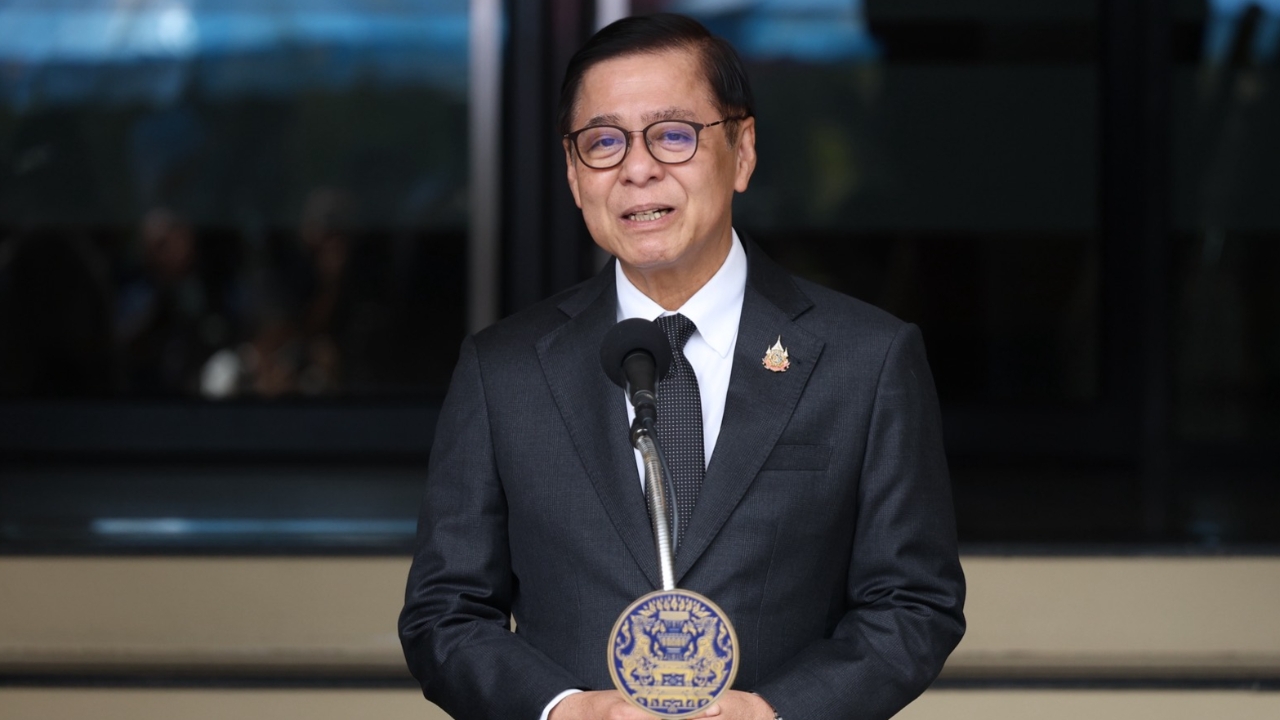
Deputy Prime Minister Sihasak is not concerned about Cambodia's submission to the UN endorsing the 2000 MOU and the 1:200,000 map, stating there is nothing new. He acknowledged Thailand must continue with compulsory conciliation under UNCLOS rules after Cambodia ignores negotiations and closes the door on land border talks.
On 5 August 2026, Deputy Prime Minister and Foreign Minister Sihasak Puangketkaew addressed whether Cambodia's plan to ask the UN to endorse the 2000 MOU and the 1:200,000 map would affect Thailand. He said these documents, including the MOU, are already recognized by the UN and contain nothing new or worrisome. The 2000 MOU is not limited to the 1:200,000 map but also includes treaty provisions such as watershed lines and other maps Thailand has, including 1:50,000 scale maps, which both sides affirm. Therefore, Cambodia's actions have no impact since the evidence is already with the UN.
Regarding Cambodia drawing Thailand into compulsory conciliation, Sihasak said both sides are currently involved in nominating conciliators, with 6-7 names submitted. Each side will select three names, and the process of collecting names from both parties is ongoing. The conciliators' panel currently consists of four members.
When asked if the Prime Minister confirmed that Cambodia cannot force Thailand, and whether Thailand will participate in compulsory conciliation, Sihasak said compulsory conciliation is a process under the United Nations Convention on the Law of the Sea (UNCLOS) that must be followed. If either party does not comply, the process proceeds automatically. The UN will appoint conciliators for Thailand, so Thailand must follow the process but is confident it can fully protect national interests.
Sihasak added that Thailand has consistently maintained that compulsory conciliation should not be initiated before bilateral negotiations under UNCLOS occur. However, Cambodia claims Thailand canceled the 2001 MOU, making compulsory conciliation necessary. Thailand has clarified that the cancellation was due to no progress in 20 years and aimed to start new negotiations under UNCLOS. Cambodia only joined UNCLOS in March, so Sihasak questioned why Cambodia does not try bilateral talks first, which could create a better atmosphere for starting land border discussions.
"The two leaders spoke at the ASEAN Summit in the Philippines, discussing all bilateral matters to build trust and stop mutual attacks on the international stage. Based on this, there should be openings for maritime border talks, allowing Thailand to make progress on land borders. But since Cambodia refuses and opts for compulsory conciliation, it effectively closes the door on land border talks and continues to attack Thailand internationally," he said.
Warning Human Rights Committee to Beware of Becoming a Political Tool for Cambodia
Sihasak also emphasized the special report by Tom Andrews on human rights in Cambodia, stating that Andrews is fulfilling his duties. However, claims about violations beyond UN mandates must be considered carefully, especially given the sensitive Thailand-Cambodia situation. Any statements referencing Thailand could be used by Cambodia. He stressed that the Human Rights Commission must consider political sensitivities and cautioned against becoming tools of Cambodian political interests.