

The Permanent Secretary of the Ministry of Natural Resources and Environment is preparing to establish a joint working group to address toxic pollution in transboundary rivers between Thailand and Myanmar, with the first meeting targeted for August. Plans are also underway to develop a 1-3 year water quality control plan for the Kok River.
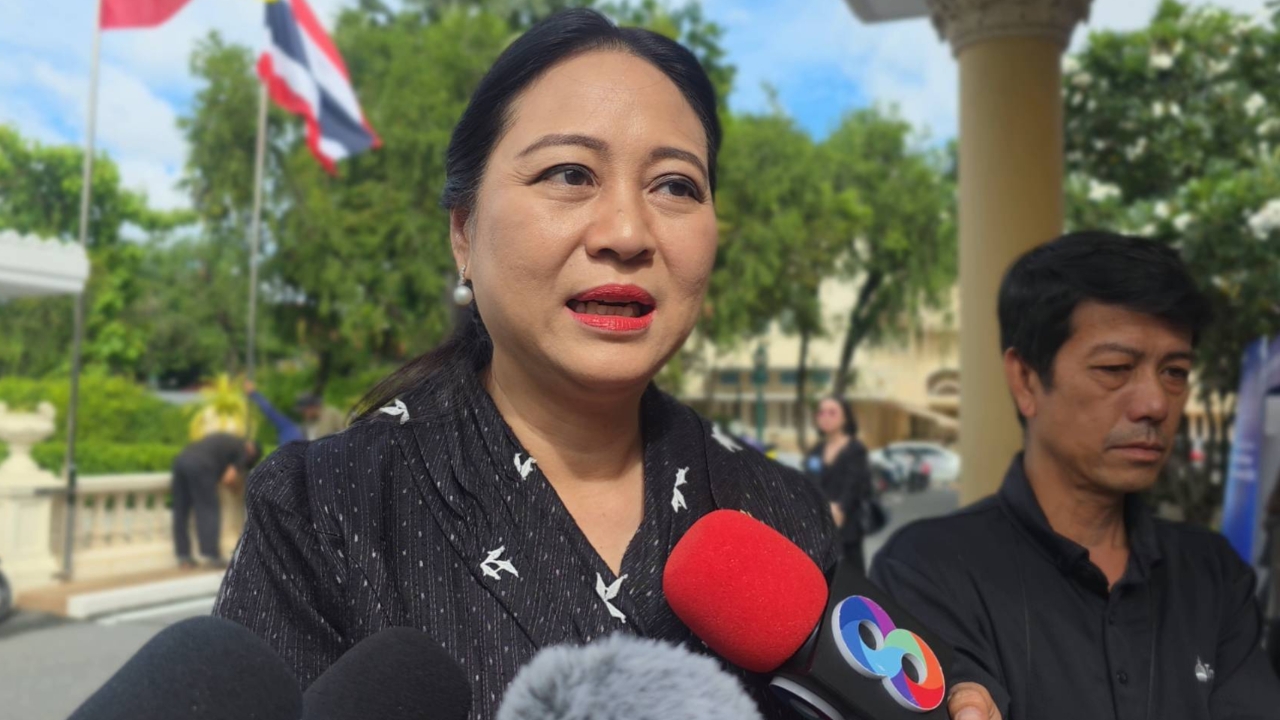
At 09:00 on 7 August 2026, Raweewan Puridet, Permanent Secretary of the Ministry of Natural Resources and Environment, spoke about joint environmental problem-solving efforts with Myanmar following the signing of the TOR for establishing a joint working group on managing water quality in border rivers and rivers flowing between the two countries. She said this marks a good starting point since Thailand is the downstream country.
She added that there is strong momentum to establish a cooperative framework with shared missions, especially regarding the impact of mining runoff flowing into the Kok River in Chiang Rai province. This will include developing a 3-year master plan and annual action plans, as well as setting standards for water quality sampling methods.
Furthermore, the TOR establishes a Joint Working Group (JWG), composed of representatives from both sides and relevant agencies, to address health issues affecting impacted people. The group aims to agree on sampling locations and data collection methods, seeking cooperation from both parties.
She emphasized that the joint committee should work swiftly and start its operations within August, with herself serving as the Thai side chairperson.
Raweewan said that as the implementer, she is pushing to act immediately, as this issue is a priority for leaders of both countries. The TOR requires at least two meetings per year, and fieldwork must be planned and conducted jointly by the two countries as soon as possible. She also confirmed that academics from other countries are not barred from assisting, since the framework is academic in nature.
When asked if the agreement, made with Myanmar's central government, can effectively address issues given Myanmar's internal group divisions, Raweewan acknowledged the difficulties but regarded this progress as positive. The TOR was negotiated over a long period before reaching consensus and marks a good official start for both sides to begin cooperation.
Meanwhile, on 8 August, a TOR was signed regarding cooperation on the peaceful application of earth observation technology between Myanmar and the Geo-Informatics and Space Technology Development Agency (GISTDA). This allows the use of satellite data and space technology as empirical evidence to support effective environmental management.