

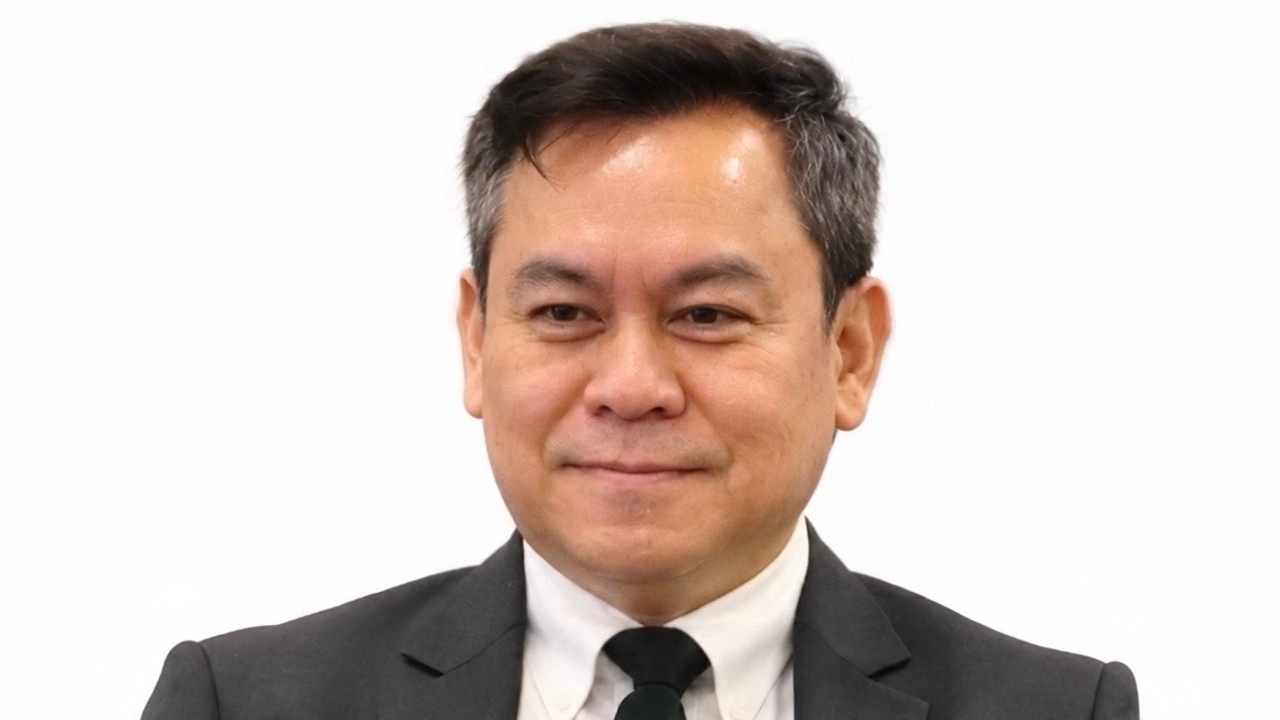
Nopadol recommends drawing lessons from the Thepsirin shooting, highlighting the "Anutin-Kittirat" policy driving gun control and modern village police volunteers to restore public confidence and prevent recurrence of incidents.
On 8 Aug 2026 GMT+7, Assoc. Prof. Dr. Nopadol Kannika, member of the National Police Policy Committee and public representative, and lecturer in the Master's program in Peace Innovation at the College of Public Administration, Siam Technology College, said the shooting at Thepsirin Nonthaburi School deeply shook Thai society. Schools should be the safest places for children and youth, but when such a place of learning and hope turns into one of fear, it raises not only questions about how police respond to such threats but also larger questions about how to prevent such incidents from happening again.
Assoc. Prof. Dr. Nopadol said we must shift our view of safety from being solely the police's duty to a concept of "police and citizens as safety partners." In reality, police cannot be everywhere—on every street, in every school, mall, hospital, or crowded place—but citizens are already present there: teachers in schools, staff in malls, medical personnel in hospitals, operators in entertainment venues, and community members who know their areas best. If these people have knowledge, coordination systems, and proper channels connecting them to police, they become crucial in preventing incidents before they escalate beyond control.
Given insufficient police manpower, public participation is now essential for safety and should be elevated as a national policy direction through the concept of "modern village police volunteers" and the gun control policy of Prime Minister and Interior Minister Anutin Charnvirakul. This policy is being propelled by National Police Chief Pol. Gen. Kittirat Phanpetch, reflecting alignment between policy leadership and operational leadership toward the same goal: putting people back at the center of the safety system. This is a commendable example of leadership at two levels, as good leaders do not need to do everything themselves but must build systems enabling many people to do good together. The Prime Minister recognizes the power of citizens as the country’s social capital, while the Police Chief channels that power into police missions with direction, standards, and shared goals to enhance public safety.
Modern village police volunteers should have responsibilities beyond general assistance, being developed as "community safety partners" who monitor abnormalities, report tips, coordinate with schools, parents, communities, and police, recognize warning signs of violence, and know emergency response principles. If we take lessons from the Thepsirin Nonthaburi shooting as a turning point, Thailand should urgently build safety networks in vulnerable areas nationwide by systematically linking police, schools, families, communities, local authorities, and village police volunteers. In crises, the "first minute" is often the most critical, and those closest may not be police but teachers, security staff, parents, hospital workers, or ordinary citizens. Therefore, "ordinary citizens" must possess extraordinary knowledge to help prevent losses.