

The People's Party revealed the schedule for a no-confidence debate on Senate corruption, which will surely expose those involved. They have given the Election Commission (EC) 1-2 days to clarify the money trail involving local politicians, urging prompt explanation and referral to court for prosecution of vote rigging, warning against neglecting official duties.
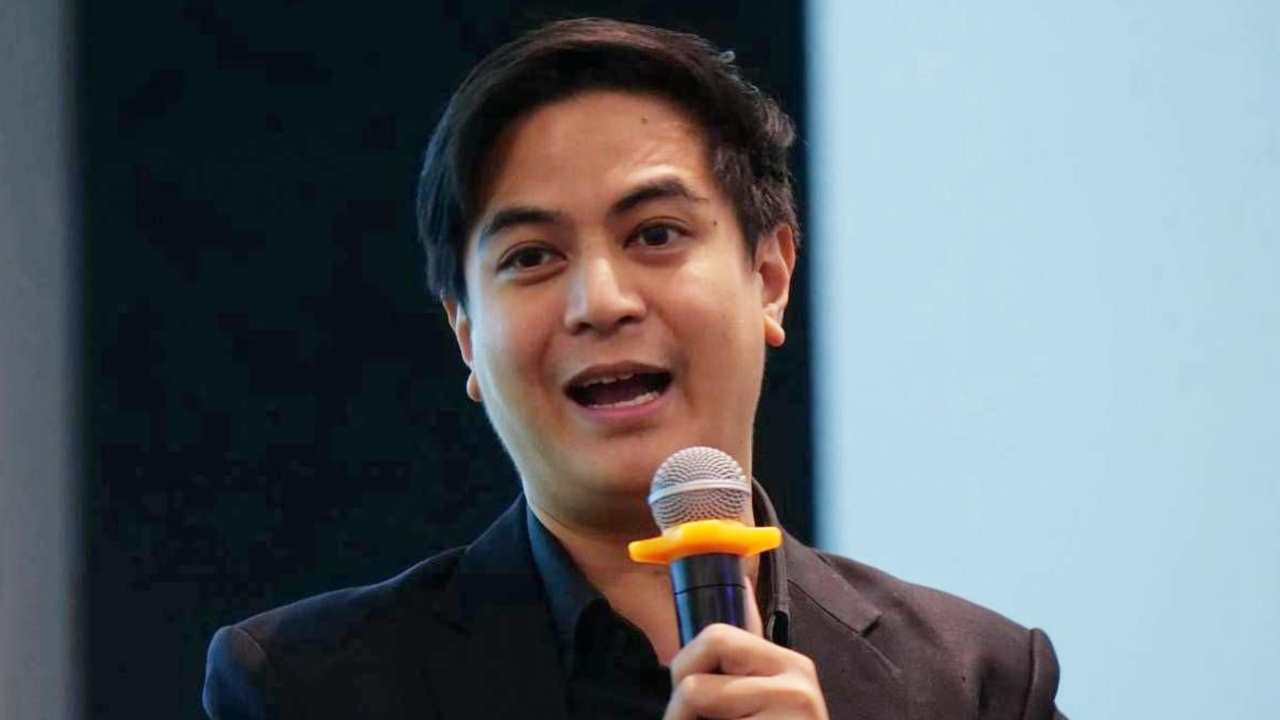
9 Aug 2026 GMT+7 at the Parliament. Mr. Parit Watcharasindhu, party-list Member of Parliament (MP) from the People's Party (PP). As chairman of the opposition coalition coordination committee in the House of Representatives (opposition whip), he spoke after the forum “In-depth Evidence: Senate Corruption Case Part 4 — Orders, Money Trails, Connections,” stating he is certain that in the next parliamentary session, a no-confidence motion against the government will be submitted under Section 151 of the Constitution. The exact timing will be discussed among opposition parties and considered in relation to the House of Representatives' meeting calendar, as the Parliament will open the session at the end of August, initially focusing on the 2027 budget bill in its second and third readings, expected in September.
Additionally, the Constitutional Court website has published the full ruling on the royal decree authorizing the Ministry of Finance to borrow money to address energy crisis impacts and facilitate the country's energy transition (the 400 billion baht loan decree) from 2026, so there may be a special parliamentary session to consider the loan decree bill. However, this will not cause delay, and the no-confidence debate will proceed without waste.
: The debate content will certainly cover Senate corruption, including local examination fraud, the TH-AI Passport project, and the 400 billion baht loan decree. Regarding the energy transition, the People's Party has assigned MPs to work on this, and several have already begun presenting information. He affirmed that the Senate vote-rigging case is linked to the government and can be included in the no-confidence debate since ministers in the current Cabinet are implicated, making it one of the corruption cases most connected to Cabinet members.
Mr. Parit also addressed the issue of Mr. Anusorn Thamjai, an MP for Bangkok from the People's Party, who symbolically protested the Parliament's reception of Senior General Min Aung Hlaing, President of Myanmar. In response to criticism that the People's Party did not sufficiently call for action and left the MP to act individually, he confirmed on behalf of the party that they disagree with the Thai government's reception of Min Aung Hlaing and have expressed their disapproval in various ways, including Mr. Anusorn’s peaceful protest against the Parliament Speaker's decision.
Meanwhile, Mr. Parit discussed evidence linking money transfers to EC officials, saying there are two points: first, he found that an Amnat Charoen provincial councilor transferred 860,000 baht to an EC investigator. The EC should immediately clarify whether an investigation has been conducted and the purpose of this transfer, particularly if it relates to the 2024 Senate election, as the transfers occurred from April to July 2024, coinciding with that election period.
Second, he urged viewing each piece of evidence as parts of a puzzle. Although the 860,000 baht transfer may not have come directly from a Senate candidate, combined with other evidence such as orders and money trails in other provinces, it supports the conclusion that Senate vote rigging exists. If the EC has reasonable grounds to believe wrongdoing occurred, it must refer the case to the court.
Regarding the role of the EC official who received the money, EC 2024 documents show this person is an investigator in Division 7. Mr. Parit questioned the extent of their authority and responsibilities and said it is the EC’s duty to clarify. The person who transferred the money was an Amnat Charoen provincial councilor who has also been photographed participating in activities with a certain minister several times.
When asked if external pressure influences the EC’s pledge to conclude the Senate vote-rigging investigation by August, Mr. Parit said the EC is legally required to finish within 90 days. Their promise to conclude by August complies with this timeframe, ending in early September. The main concern is not when the case closes but how. The unwanted outcome would be the EC cutting off the judicial process to prevent the case from reaching the court.
Asked what the opposition would do if the EC does not respond about the officials accepting money and whether there is a way to hold them accountable, Mr. Parit asked the media, “How many days should we give them?” He said he is giving the EC 1-2 days to clarify or not. He is confident they have access to this information, and if an investigation has been done, they should state the progress. If not, he is ready to submit the information he has to the EC.
On the question whether the EC’s final report might exclude the money trail and thus weaken the case, Mr. Parit said the EC must consider all evidence, including ballots and financial trails. If they fail to include this, one must ask if the EC is neglecting its duties.
Regarding the issue that the Senators are halfway through their terms and whether the case could be annulled, Mr. Parit said the process will follow legal procedures. Now, it depends on whether the EC refers the case to the court as requested. If those referred are Senators, there are legal provisions about suspending their duties. The goal is fairness. .