

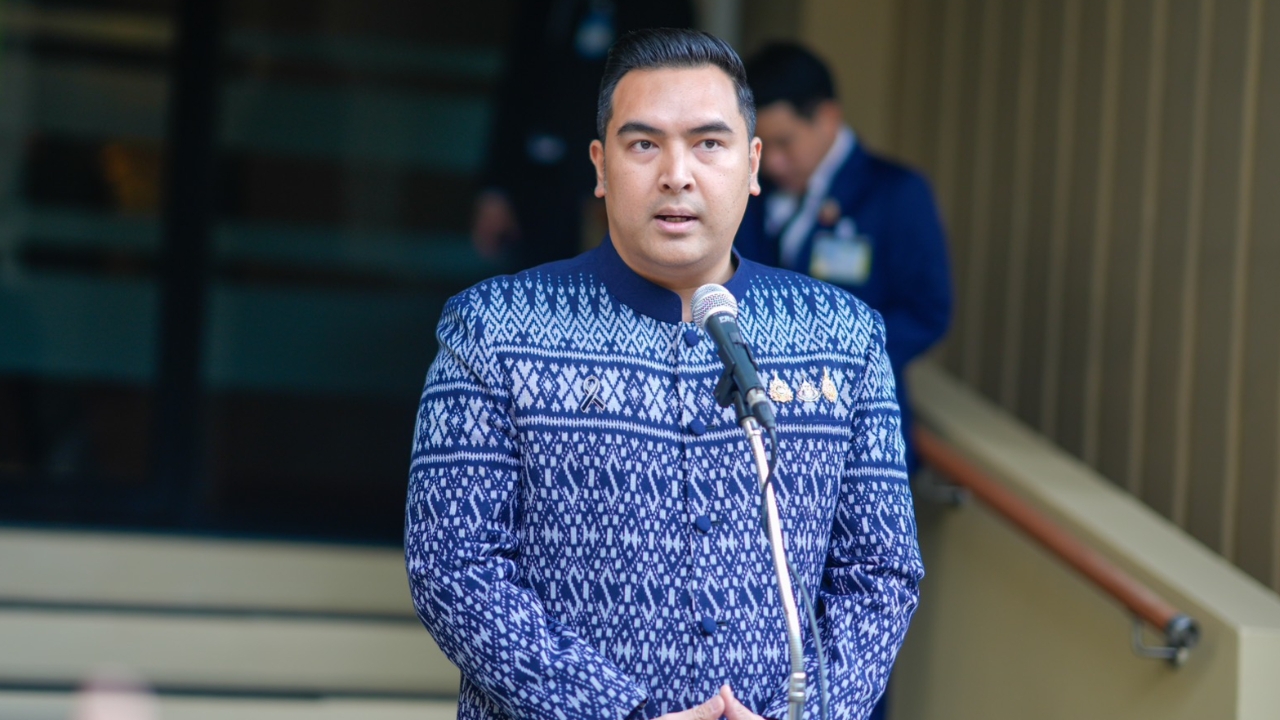
Deputy Agriculture Minister Watcharapol revealed that the Cabinet has approved extending the school milk program to grade 9 in opportunity expansion schools, covering 6.6 million students. The plan also increases raw milk purchases to support dairy farmers and ease the problem of surplus raw milk in the market.
On 11 August 2026 at the Government House, Deputy Agriculture Minister Watcharapol Khawkhum stated that the Cabinet approved expanding the supplementary food program, or school milk program, to include students in grades 7 to 9 at opportunity expansion schools for the first time. This aims to invest in children's nutrition and promote physical, cognitive, and learning development appropriate for their age, ensuring they grow healthy and become quality personnel to drive the country's future development. The government will begin implementation in the second semester of the 2026 academic year, starting November 2026.
Watcharapol explained that expanding the school milk program to include grades 7 to 9 in opportunity expansion schools will cover over 6.6 million students, up from about 6 million. This will help reduce inequality, especially for low-income families in remote areas, reduce parental expenses, and support the domestic raw milk market by increasing raw milk purchases by 87.202 tons per day, benefiting dairy farmers and the entire dairy industry.
Watcharapol emphasized that the government wants Thai children to drink 100% pure fresh cow's milk, preserving complete natural proteins and vitamins. The government has not overlooked the hardships of farmers and has allocated resources to expand domestic raw milk consumption, focusing on helping dairy farmers and producer communities, while also promoting Thai children's quality of life through access to standardized, nutritious school milk. This supports sustainable growth of the Thai dairy industry to create both "quality people" and a "sustainable economy."
Meanwhile, Second Lieutenant Patdarasmi Thongsaluaykorn, Deputy Spokesperson of the Prime Minister's Office, stated that the program targets students from pre-primary through grade 6, and students in grades 7 to 9 at opportunity expansion schools for implementation in the 2027 academic year.
The expansion aims to provide appropriate nutrition to 582,947 lower secondary students in opportunity expansion schools, most of whom come from economically constrained families. Previously, the school milk program covered children from pre-primary to grade 6, while students in grades 7 to 9 had not yet received milk allocations through the program.
Additionally, expanding the target group will increase raw milk purchases into the production system, reduce surplus raw milk problems, generate income for dairy farmers, and strengthen the dairy industry's supply chain from production to market by increasing market demand.
For the 2026 academic year, since the first semester has already started, the Ministry of Agriculture and Cooperatives plans to begin milk deliveries to the new student group in November 2026. The Secretariat of the Cabinet proposed that the Ministry and related agencies adjust the number of milk delivery days to align with the remaining school days, reducing from 260 to about 145 days, and adjust the budget accordingly to match the shortened program duration.
Second Lieutenant Patdarasmi said this expansion increases opportunities for children in opportunity expansion schools to access proper nutrition while also creating a domestic market for raw milk. This reduces the risk of surplus production, provides continuous income for dairy farmers, and benefits children, families, farmers, and the dairy industry simultaneously.