

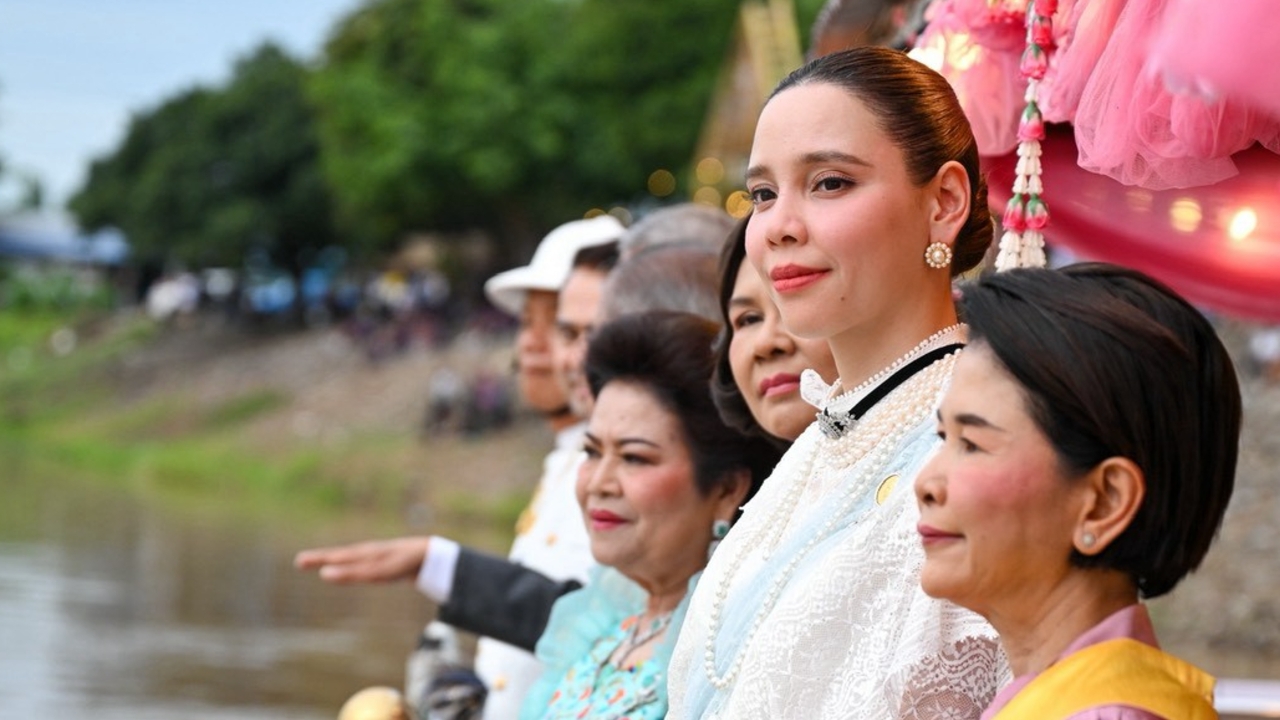
Culture Minister Sabida Thaiset follows in King Chulalongkorn's footsteps during his royal visit, awakening the cultural capital of the Lower Northern provinces—Nakhon Sawan, Uthai Thani, Kamphaeng Phet, and Phichit—advancing the "Thai Thai" policy to market tourism that has meaningful stories and distinct identity.
On 12 Aug 2026 GMT+7, Ms. Sabida Thaiset, Minister of Culture, announced the opening of the annual event commemorating 120 years since King Chulalongkorn’s royal visit to Nakhon Sawan in 2026, alongside a project promoting cultural tourism towards a creative economy focusing on local food and textiles within the Lower Northern 2 Provincial Group. This group comprises Nakhon Sawan, Uthai Thani, Kamphaeng Phet, and Phichit, which possess historical assets, lifestyles, cuisine, textiles, arts, culture, and local wisdom with unique identities. These can be developed into cultural tourism activities and routes to create economic value and sustainably distribute income to local communities.
This event plays a crucial role in driving the "Thai Thai" policy, which aims to harness cultural power to create value, making cultural capital a strategic asset for building well-being, future prosperity, and improving the quality of life. It connects the historic royal travel routes of King Chulalongkorn with local performing arts, community lifestyles, regional cuisine, and textile products from each area, crafting tourism experiences that are both meaningful and distinctive.
"The primary goal is to integrate culture into people's daily lives and return benefits to the community. When locals can develop their unique identity and wisdom into products, services, and tourism, it generates jobs, income, and pride, while motivating younger generations to participate in preserving and passing on cultural heritage," said Ms. Sabida.
The Minister of Culture added that the success of cultural initiatives depends on the participation of all sectors, including provincial authorities, local administrative organizations, government agencies, the private sector, educational institutions, cultural networks, youth, and the public. "Everyone is an owner of culture" and plays a vital role in caring for, preserving, sustaining, and further developing local wisdom heritage alongside the community's economic growth.


