

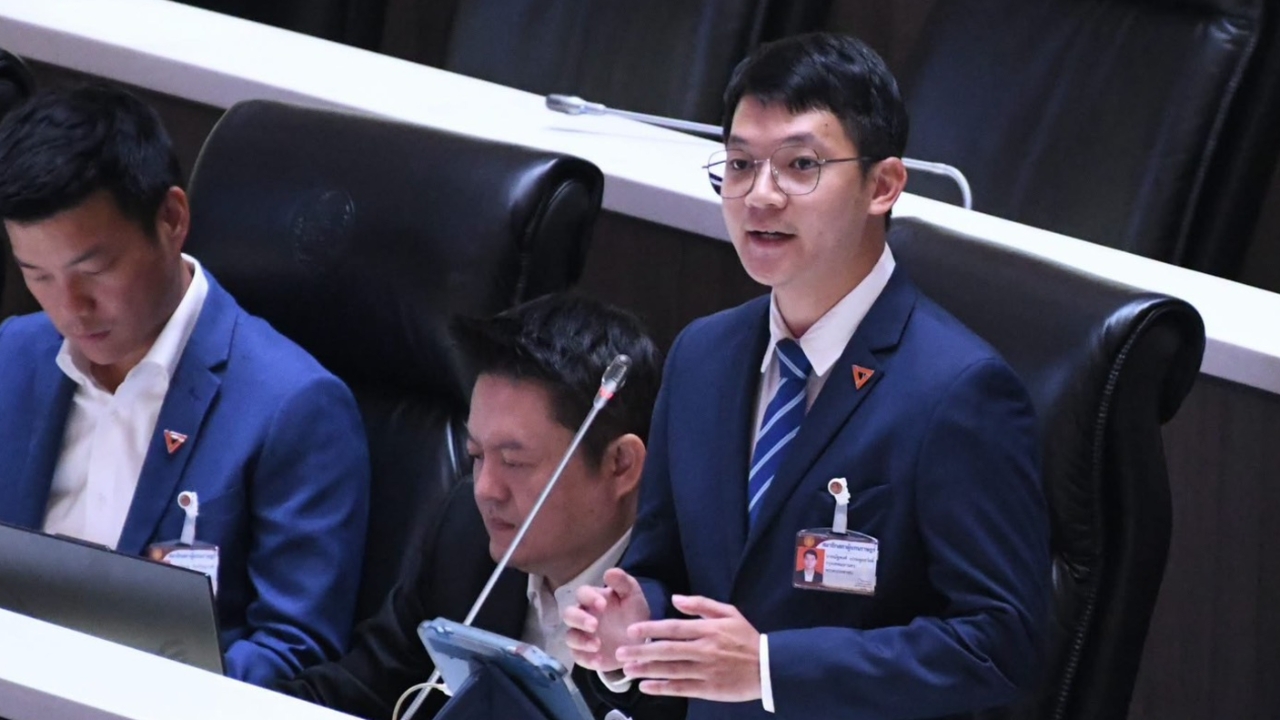
Nattapong, a Bangkok MP from the Prachachon Party, highlights three major challenges in drafting the new Bangkok city plan. He stresses the need to hear public voices from the beginning, opposes wholesale cancellation of the road network plan, and calls for unlocking state land to address housing for the urban poor instead of blanket bans on such land.
On 13 August 2026, Nattapong Prempoolsawas, a Bangkok district MP and urban development advocate for the Prachachon Party, commented on the fourth revised draft of Bangkok’s comprehensive city plan. The draft is currently under a 90-day public review period from 10 August to 9 November 2026. He noted this draft is likely the closest to the final version to be enforced, and proposed three key issues the government must address to truly develop a city plan owned by the people.
Nattapong stated the first issue is to enhance public participation by inviting feedback from the very beginning. Reflecting on 2023–2024, when the Bangkok city plan draft faced heavy criticism requiring additional public consultations across all 50 districts and a complete redrafting, he said the previous feedback process was inadequate. The government should strengthen participation from the initial problem-setting stage, rather than waiting to announce a finished draft, which makes changes difficult and causes public distrust about whether their voices are genuinely heard.
The second issue is to avoid blanket cancellation of the road network plan. While agreeing with removing original road projects that are physically impossible (such as road Ch.2, now occupied by communities and villages) to prevent the city plan from becoming a 'paper tiger,' he questioned whether wholesale cancellation is the best solution. Bangkok currently has less than 10% road area, below the 20% standard for major cities, and faces large blockages due to dead-end alleys. Opening these alleys and developing secondary roads remain necessary if the government plans clearly and listens to local voices to reach joint conclusions.
The third issue involves unlocking type S (blue) land to support housing for low-income residents. The draft plan technically allows development of low-income housing, but Article 35 overlooks type S land (government institutions, utilities, and public services), which is often the most problematic for overcrowded communities and insecure housing. Although technically land-owning agencies can develop according to policy, many departments interpret the law strictly, believing it is prohibited due to lack of explicit provisions. He proposes clarifying the regulations to open pathways for truly solving urban poverty housing problems.
Nattapong concluded that the city plan must be a tool through which the city and its people envision a shared future, not a plan that abandons any group, especially those with the fewest options, aiming to build a city genuinely owned by its residents.