

The Ministry of Transport is speeding up the "unified ticket" policy with fares from 17 to 45 baht, negotiating with all electric train operators, planning system trials in December this year, and targeting official use from 1 January 2027. It emphasizes it will not buy back concessions and intends to use budget compensation during the transition period.
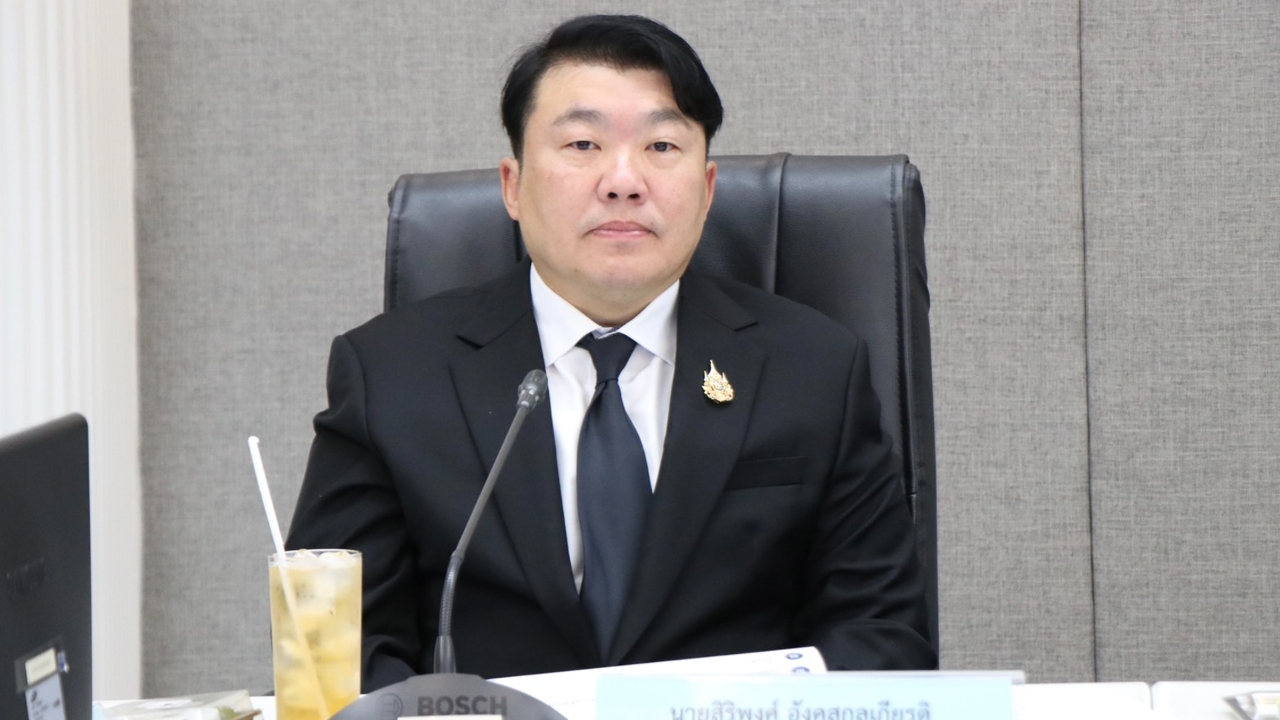
On 14 Aug 2026, Mr. Siripong Angkasunkitikul, Deputy Minister of Transport, revealed after a meeting of the Unified Ticket Policy Committee, chaired by Deputy Prime Minister and Minister of Transport Mr. Phiphat Ratchakitprakarn, that the committee decided to proceed according to the Cabinet resolution by urgently drafting related secondary legislation and announcements and negotiating with all electric train operators across all lines and colors. The negotiations must not affect existing private concession contracts with the government. Although the government has a policy for unified tickets across all train lines and colors, it firmly has no plan to buy back electric train concessions.
Passengers using electric trains who transfer between different lines will not have to pay duplicate entry fares. Fares will start at 17 baht and will not exceed 45 baht. Additionally, the Unified Ticket Policy Committee agreed on methods to calculate cross-system fares, revenue allocation, and compensation rules when normal fares exceed 45 baht. The government will consider fare compensation fairly by separating natural passenger growth from growth due to fare reduction policies to avoid unnecessary state burden, while operators should not receive excessive benefits.
"The Ministry of Transport's Clearing House will consult with the Ministry of Finance to designate the managing agency, without yet selecting Krungthai Bank, despite its readiness from experience with EMV systems and cross-platform payments. Multiple options will be considered, complying with laws and EMV system regulations. Regarding the Green and Gold lines, the Bangkok Metropolitan Administration (BMA) has concerns about budget and asset transfer to the Mass Rapid Transit Authority of Thailand (MRTA). Thus, the BMA may install the system first and transfer expenses later or let MRTA proceed if the transfer completes in time. The long-term goal is to install EMV at every gate and eventually support QR Code and other payment methods," said Mr. Siripong. . Mr. Siripong added,
The Ministry of Transport aims to complete all processes by November 2026 and begin system trials in December 2026, expecting official operation from 1 January 2027. Of the 16 remaining subordinate laws, 10 have passed preliminary approval, with ministerial regulations expected to be announced in October 2026. Issues related to rights transfer or PPP contract amendments must follow legal procedures.

The meeting also set guidelines for the secretariat and the committee under Section 31 to negotiate with each transport operator, adhering to the Cabinet policy setting fares at 17-45 baht and ensuring no impact on concession contracts since the government does not plan to buy back concessions. Initially, the state may need to provide partial assistance or compensation to enable the unified fare policy until some concessions expire, after which the structure and approach can be reviewed.
Mr. Siripong said the government will initially allocate about 4 billion baht annually to compensate under the unified ticket project, which is more cost-effective than buying back all train concessions, expected to exceed 200 billion baht plus 2% interest or about 4 billion baht. This figure aligns closely with the estimated fare compensation budget. Therefore, the committee chose to support or compensate fares during the transition to implement the 17-45 baht unified fare, with plans to review the structure as concessions expire.
However, it is confirmed that the 17-45 baht fare right is exclusively for Thai citizens, possibly verified through EMV cards without complicated registration. Passengers may pay full fare upfront, with the Clearing House calculating and reimbursing differences according to eligibility, similar to the Red Line commuter train approach. Initially, the policy is expected to increase ridership by over 30%, but normal growth bases for each route must be established to calculate which costs the state should bear and how to share benefits from increased ridership due to the policy. The goal is to reduce the public's burden while using the budget efficiently and maintaining balance between the state and operators.