

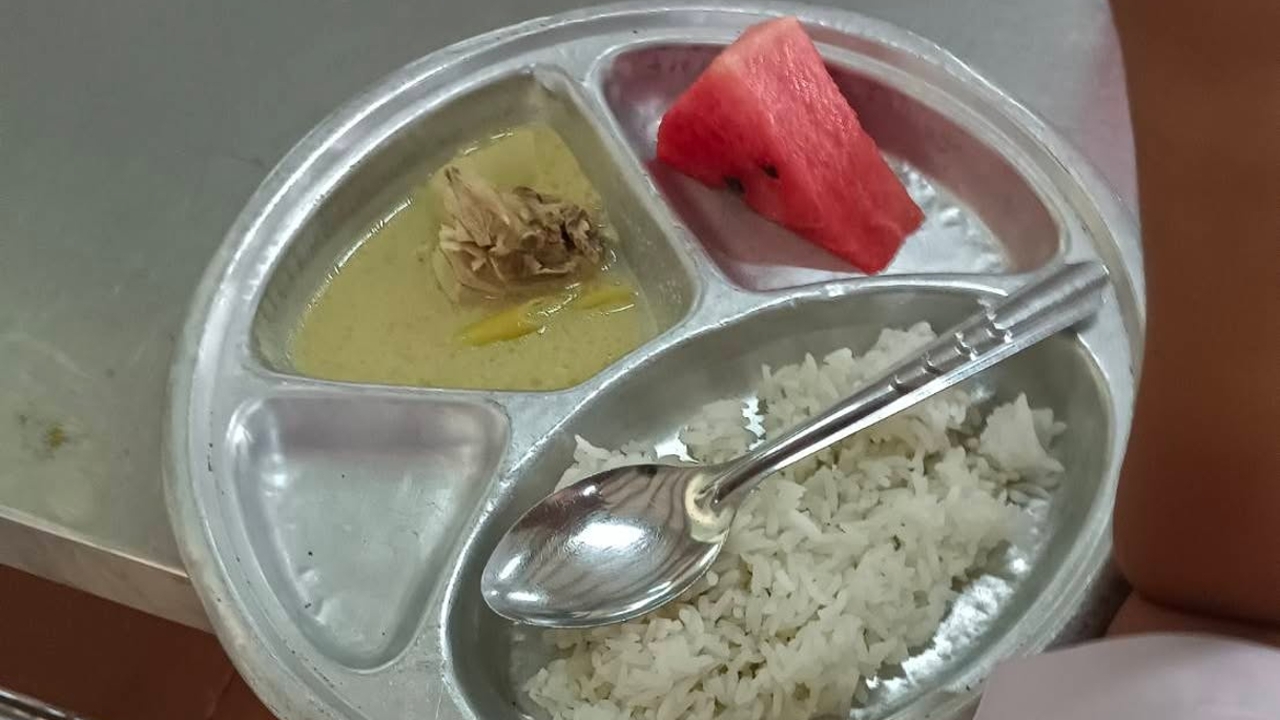
The Surat Thani branch of the National Anti-Corruption Commission (NACC) conducted surprise inspections of school lunch programs at six schools, uncovering numerous suspicious issues. They have established secure channels for teachers and staff to submit information to directly hold the responsible administrators accountable.
On 17 Aug 2026 GMT+7, reporters reported that recently the NACC office in Surat Thani province took proactive field action to monitor and inspect the implementation of the student lunch program at six schools within Surat Thani province.
The inspections, conducted without prior notice to the schools, revealed five notable observations and irregularities that require further investigation.
1. Incomplete disbursement documents: Some documents were missing or could not be located, record-keeping was disorganized, and those responsible could not clearly explain the details.
2. Disbursements after school term ended: Cases were found where schools continued to claim food expenses for about one month after the term ended, with explanations that the funds were used to purchase other items like refrigerators. This issue requires fact-checking and verification of compliance with regulations.
3. Unreturned leftover funds: There were issues of leftover funds from the project not being returned as required, with indications of accumulation over multiple years. Precise amounts for each year could not be determined due to incomplete documentation.
4. Differences in food quality and quantity between notified and unnotified inspections: Comparing schools that received prior notice versus those that did not revealed clear disparities in both the amount and quality of lunch served, an issue warranting serious follow-up.
5. Drinking water problems for students: Complaints were found regarding insufficient drinking water availability near cafeterias, especially for young children after meals. Nearby vendors sold water and food, making this a significant concern directly affecting children's health and welfare.

Establishing Secure Reporting Channels
Due to multiple complaints, allegations have arisen that administrators have issued orders to teachers and operational staff who may feel unable to refuse these commands. The NACC encourages teachers and staff to submit information and evidence through secure channels, with appropriate whistleblower protections. This aims to ensure that those in command are held legally accountable and not leave lower-level staff to bear responsibility alone, under the principle that "Children's food should not be good only on inspection days, and small teachers should not be blamed for orders from above."
This field inspection is part of ongoing monitoring and auditing of the student lunch program, under measures "to prevent corruption risks in the student lunch program," proposed by the NACC Committee to the Cabinet under Section 32 of the Anti-Corruption Act of 2018. The NACC Committee approved these measures on 17 Dec 2025, and on 24 Feb 2026, the Cabinet acknowledged and assigned the Ministry of Education as the lead agency, working with the Ministry of Finance, Ministry of Interior, Ministry of Higher Education, Science, Research and Innovation, the Office of the Auditor General, and related agencies to implement the NACC's recommendations.
Objective: Quality Food for Students
The student lunch program's key goal is to provide students with food that is nutritious, sufficient, and meets dietary standards. However, risks have been found in budget management, procurement, documentation, and oversight. The NACC focuses on three main risk areas:
1. Risks in procurement and misuse of funds: Spending must be regulated to comply with rules, allowing parental and community participation in oversight, and increasing transparency by publishing daily menus and food photos.
2. Lack of knowledge and understanding among staff: Particularly in small schools with limited personnel, ongoing training in procurement, project management, and use of the Thai School Lunch system is necessary.
3. Inconsistent monitoring and follow-up: There is a need to improve supervision efficiency, integrate work among related agencies, and involve experts to audit high-risk areas.
The Surat Thani NACC's proactive fieldwork aims to ensure that student lunch budget spending is proper, transparent, auditable, and maximally benefits students.

