

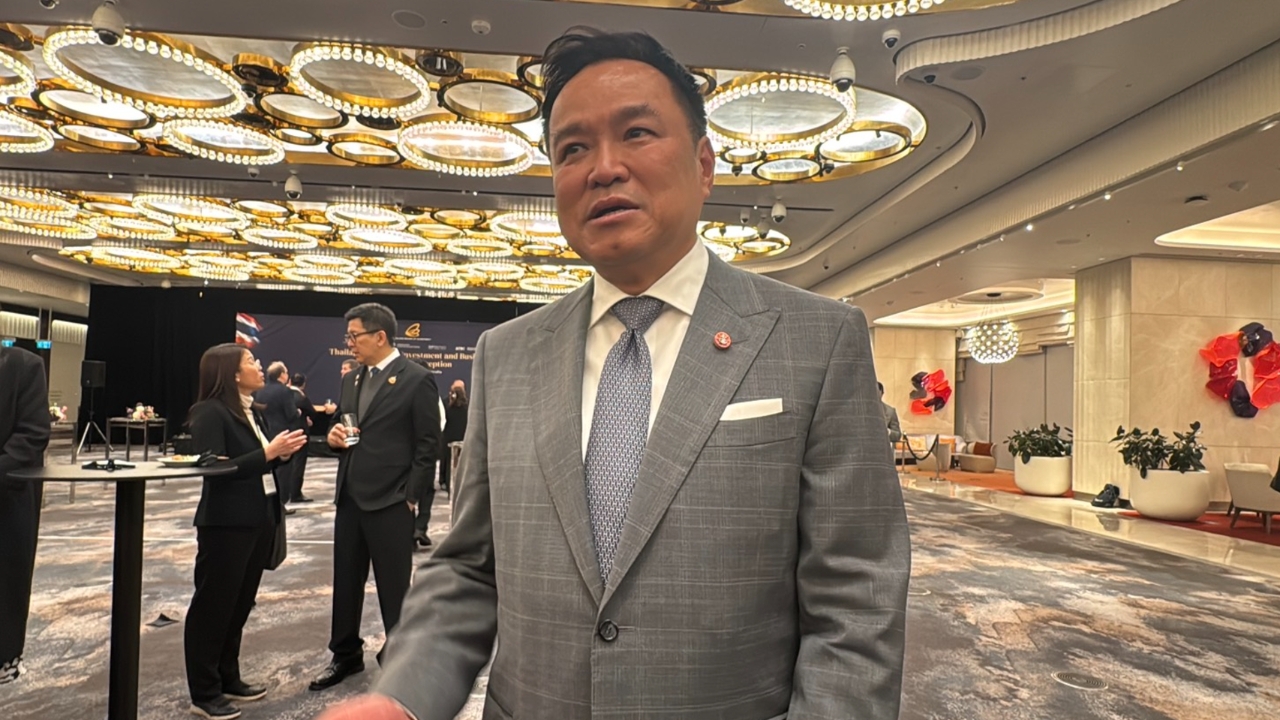
Anutin explained the appointment of Chantanan as Permanent Secretary of Energy was based on capability, emphasizing the need for someone who understands both agriculture and energy to address Bio Energy goals, reduce oil imports, and increase farmers' income.
At the Cabinet meeting on 18 August 2026, Prime Minister and Minister of Interior Anutin Charnvirakul addressed the recent Cabinet decision appointing Mr. Chantanan Wannakejon as the new Permanent Secretary of the Ministry of Energy. He acknowledged public interest and political analyses but stressed that the selection prioritized knowledge, ability, experience, and suitability to enable the civil service to effectively implement the government's new energy policies.
The Prime Minister stated that the government prioritizes restructuring Thailand's energy sector to reduce dependence on imported oil and fossil fuels, particularly by promoting Bio Energy, which requires close integration of energy expertise with agricultural production systems.
“The Ministry of Energy's challenges today are not limited to electricity, oil, gas, or the energy fund but must connect agriculture, industry, aviation, the environment, and citizens' incomes. Selecting a permanent secretary who understands agricultural raw materials aligns with the country's direction and government policy,” the Prime Minister said.
Anutin said that Mr. Chantanan comes from the Ministry of Agriculture and Cooperatives, with a background in economic crop production systems, agricultural value chains, and market mechanisms. This directly supports advancing crops like palm oil, sugarcane, and cassava into energy crops to meet domestic bioenergy demand.
If Thailand increases its use of Bio Energy, it will reduce oil imports, lower expenses, and help close the energy deficit. Simultaneously, it will raise domestic agricultural raw material demand, providing continuous market support for energy crops and potentially improving farmers' crop prices.
Anutin noted that during the recent oil price crisis, biodiesel was a key example of bioenergy reducing reliance on imported oil. Looking ahead, the aviation industry will require more Bio Jet fuel to meet global carbon reduction standards, which demands large quantities of biological raw materials.
This appointment is about placing the right person for the job, not politics. The modern Ministry of Energy needs leadership that understands both routine duties and the government's new challenge to link clean energy with agriculture, industry, and citizens' incomes.
“Today and in the future, energy production doesn't start only at refineries or power plants but begins at farms, palm plantations, sugarcane fields, and cassava farms. If policies are properly designed, it will reduce oil imports, increase farmers' income, and strengthen the country's energy security,” Anutin said.