

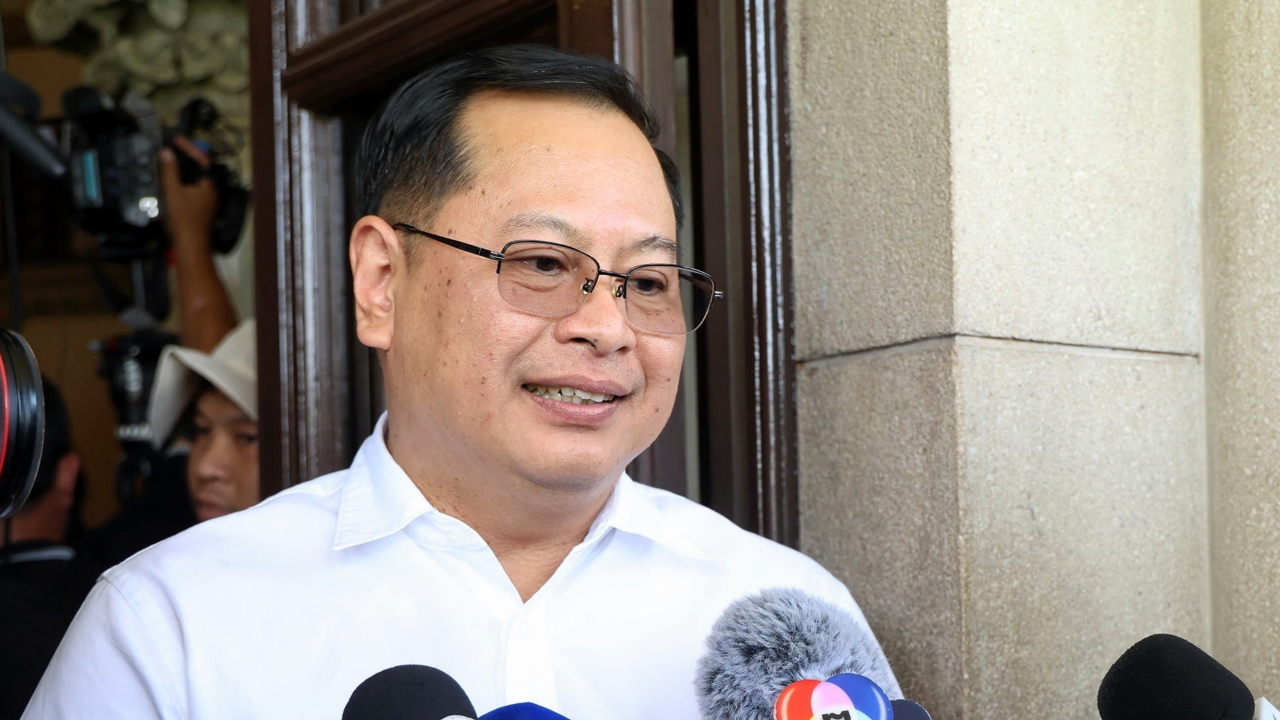
Pakorn revealed plans to submit the revised firearms law draft to the Cabinet in mid-September, noting that amnesty efforts for firearms have been ineffective as they do not overhaul the system. He acknowledged the Ministry of Interior's opposition to the buyback idea due to high budget costs. They also proposed the alternative of surrendering guns instead.
At 08:30 on 20 August 2026, Deputy Prime Minister Pakorn Nilprapunt spoke at the Government House about progress on amending the Firearms Act. He said the problem cannot be solved by law amendments alone. Thailand shares land and sea borders with neighbors whose internal unrest leads to weapons leaking into Thailand. The current firearms law dates back to 1947 CE and covers legally imported guns but contains loopholes.
There are two types of guns: legal firearms and illegal guns. The issue to address is the legal firearms import system, which must be reformed to create an integrated system. So far, approvals have been done separately, and although attempts were made to improve the central gun registration system, it remains incomplete and unlinked, lacking effective tracking. Regarding gun shops, the law does not hold them responsible for oversight.
Pakorn added that most registered guns do not cause problems, but issues arise from illegal guns in use. Even when a purchase permit is issued, if the gun is not registered, it becomes illegal. Illegal guns fall into three categories:
1. Guns and ammunition smuggled across borders.
2. Guns legally bought but not registered.
3. Homemade Thai firearms.
In addition, shooting ranges require stricter control and an integrated system, which currently does not exist. Shooting ranges fall under the Sports Authority of Thailand’s supervision, so a review is necessary. The Ministry of Interior has proposed and discussed with the Council of State that guns in the system must be tightly controlled through system overhaul, registration, licensing, and use regulation to prevent leaks. There will be measures allowing people to surrender firearms to authorities without penalty if uncertain about legality—similar to amnesty programs done before, which had mixed success because the system was not overhauled. Strict law enforcement includes inspecting firearms and ammunition smuggling from neighbors.
The Deputy Prime Minister also revealed that the new law will tightly regulate gun dealers, licensing, and shooting ranges. The buyback concept is under discussion with the Ministry of Interior and Council of State because of the high cost. Buying guns back at a lower price may discourage returns, so the Ministry of Interior suggests simply allowing people to surrender guns to avoid the high budget burden. Military and police firearms have anti-leak measures, though not guaranteed 100% effective, but these administrative practices are good standards.
Regarding the legislative process, after public consultation through the central legal system ends on 10 September, the draft law will be revised and undergo another public hearing before being submitted to the Cabinet under Section 19 of the Act on Legislative Drafting Procedures. It is expected to be presented to the Cabinet meeting by mid-September.