

The government announced that 2,880 boxes of the royal cancer drug "IMCRANIB" have been distributed to hospitals. So far, 215 universal health coverage patients have received the medicine. The full distribution of 23,000 boxes is expected by October 2026.
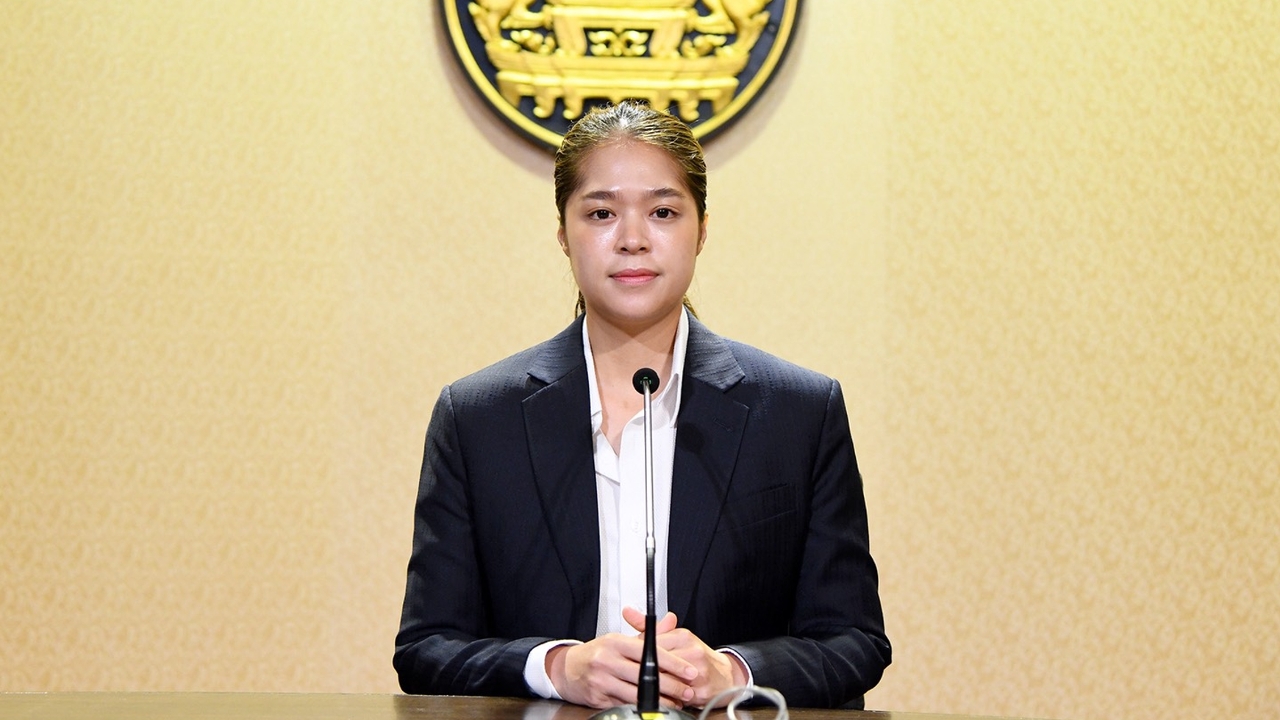
On 21 Aug 2026 GMT+7, Ms. Ploytale Laksamisangchan, Deputy Spokesperson of the Prime Minister’s Office, revealed updates on the distribution of the royal-targeted cancer drug. "IMCRANIB" The government, through the National Health Security Office (NHSO), has gradually delivered IMCRANIB to Lopburi Cancer Hospital, Chulabhorn Hospital, the National Cancer Institute, and Rajavithi Hospital. A total of 2,880 boxes have been sent, with 215 patients having received the drug out of 4,420 registered patients. The NHSO plans three more deliveries to hospitals to reach a total of 23,000 boxes by the end of October 2026, enhancing access for universal health coverage cancer patients to effective treatment.
Ms. Ploytale explained that IMCRANIB is an oral targeted cancer treatment whose active ingredient is Imatinib. It treats chronic myeloid leukemia (CML) and gastrointestinal stromal tumor (GIST), a cancer arising from muscle cells in the digestive tract. The drug was graciously granted by Professor Dr. Her Royal Highness Princess Chulabhorn Walailak through the NHSO in the amount of 690,000 tablets, or 23,000 boxes, to be distributed to hospitals nationwide. This supports patients’ access to effective treatment at no cost and reduces the financial burden on patients and families. Additionally, in fiscal year 2027, the Chulabhorn Royal Academy will produce Imatinib in 100 mg and 400 mg doses, allowing doctors to tailor dosages to individual treatment plans, improving convenience and encouraging continuous use.
"This distribution of the royal drug is a vital mechanism to increase treatment access, reduce costs for patients and families, and strengthen drug security. It enables the National Health Security System to care for cancer patients, representing an immeasurable royal benevolence to patients and Thailand. It increases opportunities for cancer patients, especially those under the universal coverage scheme or the 30-baht scheme, to access effective medications widely and continuously without worrying about costs," she said. Ms. Ploytale concluded.