

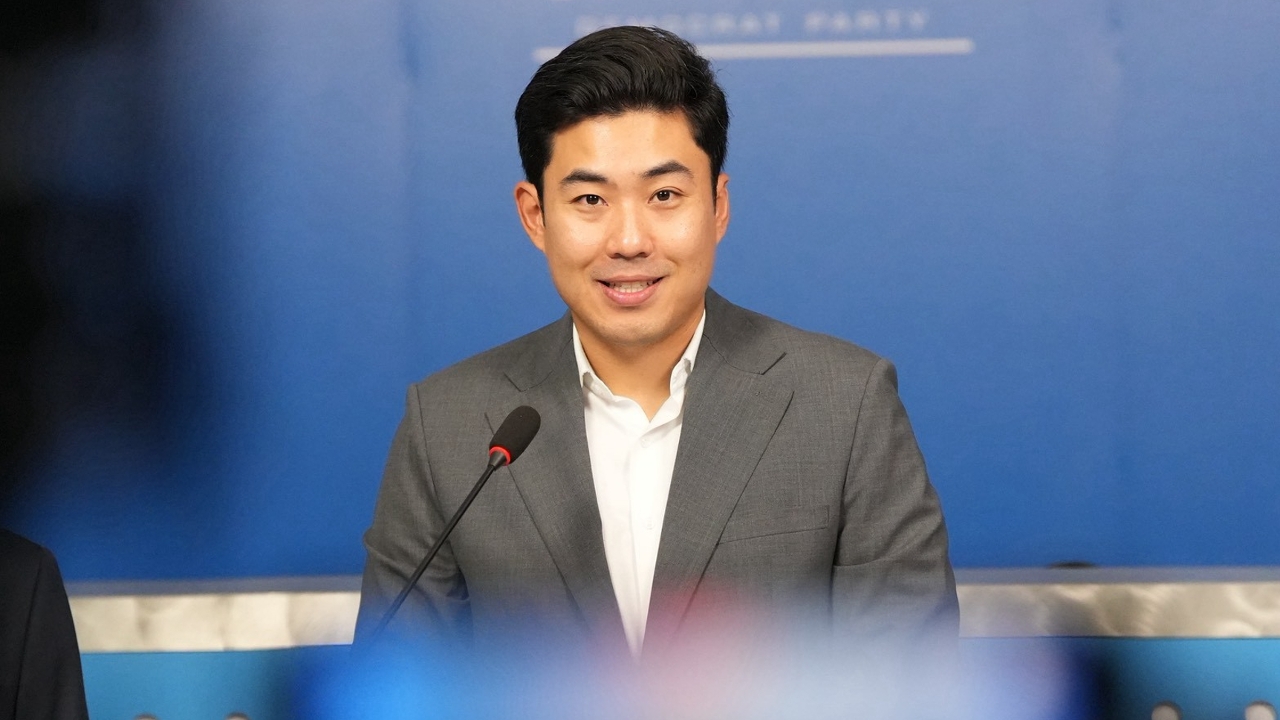
The Democratic Party spokesperson questioned the government's appointment of the new permanent secretary of the Ministry of Energy, transferred from another ministry, expressing concern that political favoritism ('trusted persons') is prioritized over professional expertise. He urged attention to five major agendas and challenged the government to demonstrate results through four key challenges addressing citizens' livelihoods.
On 22 Aug 2026 GMT+7, Mr. Pongsakorn Khwanmuang, spokesperson for the Democratic Party, commented on the appointment of Mr. Chantanan Wankhechorn as the new permanent secretary of the Ministry of Energy. The appointment sparked criticism over its suitability because Mr. Chantanan’s career developed within the Ministry of Agriculture and Cooperatives, with no direct experience in energy policy management.
Mr. Pongsakorn stated that such an appointment raises public concerns about why a top civil service position in a technically complex ministry, crucial to the country's economic future, is not given to someone with direct energy sector expertise. He questioned whether the selection process emphasized political closeness or appointing 'trusted persons' over specialized knowledge. While acknowledging the new permanent secretary's deep agricultural expertise, he stressed the Ministry of Energy’s sensitive role linked to national security—covering oil, natural gas, and electricity infrastructure. The permanent secretary must have a thorough structural understanding to provide timely, accurate advice to policymakers amid five key national agendas over the next 2–5 years:
- Developing a new Power Development Plan (PDP) aligned with actual demand.
- Liberalizing Direct Power Purchase Agreements (PPA) and Third-Party Access (TPA) regulations to promote fair competition in the electricity market.
- Preparing energy infrastructure to support the growth of data centers and AI hubs.
- Managing long-term security of liquefied natural gas (LNG) supplies.
- Driving a sustainable transition to clean energy (Energy Transition).
Mr. Pongsakorn also pointed out that the recent trend of transferring civil servants from other ministries to lead the Ministry of Energy signals a warning for the ministry’s own officials to reflect on whether they have fully protected public interests or inadvertently caused political mistrust, leading to external appointments to oversee this strategic ministry. Ultimately, he said, the Prime Minister and Energy Minister should clarify the appointment criteria to eliminate public doubt. Most importantly, the public awaits tangible results and sincerity in solving four main issues:
- Establishing a fair oil price structure.
- Calculating imported natural gas prices transparently and verifiably.
- Promoting concrete investments in renewable energy.