

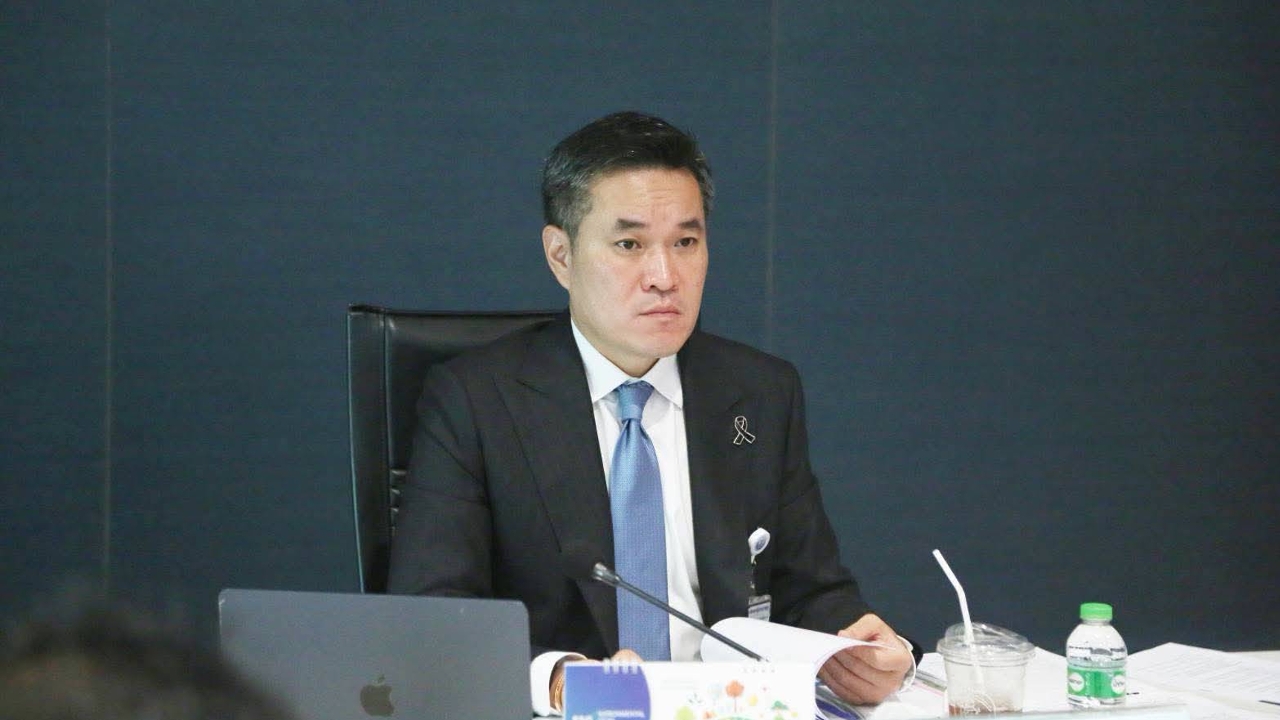
The Anti-Corruption Committee plans to summon those involved to clarify the issue of a 500,000 baht payment in exchange for a quota to enter the 30th PPR program class, noting this may constitute bribery involving both giver and receiver, which cannot be settled privately. Efforts are underway to close loopholes related to selling seats.
On 22 Aug 2026 GMT+7, Mr. Asaphon Santraiphop, Member of Parliament for Sisaket from the Bhumjaithai Party and chairman of the Anti-Corruption Committee of the House of Representatives, disclosed that following reports of a complaint against the Secretary-General of King Prajadhipok's Institute for allegedly demanding 500,000 baht in exchange for a quota to enter the 30th PPR course, and subsequent refund and withdrawal of the complaint after failure to enroll, the committee cannot ignore the matter as the institute is under the Parliament's jurisdiction. The committee intends to summon victims, police, involved parties, and complainants to provide information on at least four key issues.
1. To thoroughly investigate all facts. 2. To request relevant documents and summon involved individuals for factual information. 3. If evidence is found, to forward it to authorities with jurisdiction, including the Parliament Speaker, King Prajadhipok's Institute Council, the Anti-Corruption Commission, and other legal bodies for appropriate action. 4. To close loopholes to prevent further "sale of quotas." This matter will be placed on the committee's agenda and letters will be issued to summon involved parties promptly.
The Anti-Corruption Committee chairman further stated that King Prajadhipok's Institute should conduct clear investigations into disciplinary and ethical issues without waiting for the criminal case to conclude, as these are separate processes that can proceed concurrently. This case goes beyond mere fraud because the accused's position influences admission decisions. Based on Supreme Court rulings in similar cases, the conduct may constitute corruption and bribery, which are criminal offenses without possibility of settlement, implicating both giver and receiver under the law.
"The demand for money reveals vulnerabilities in the student selection process. Beyond prosecuting offenders, the Anti-Corruption Committee will seek solutions to close loopholes to prevent future exploitation in this program. The committee will monitor this issue diligently and transparently and will keep the public informed of progress," he said. Mr. Asaphon concluded.