

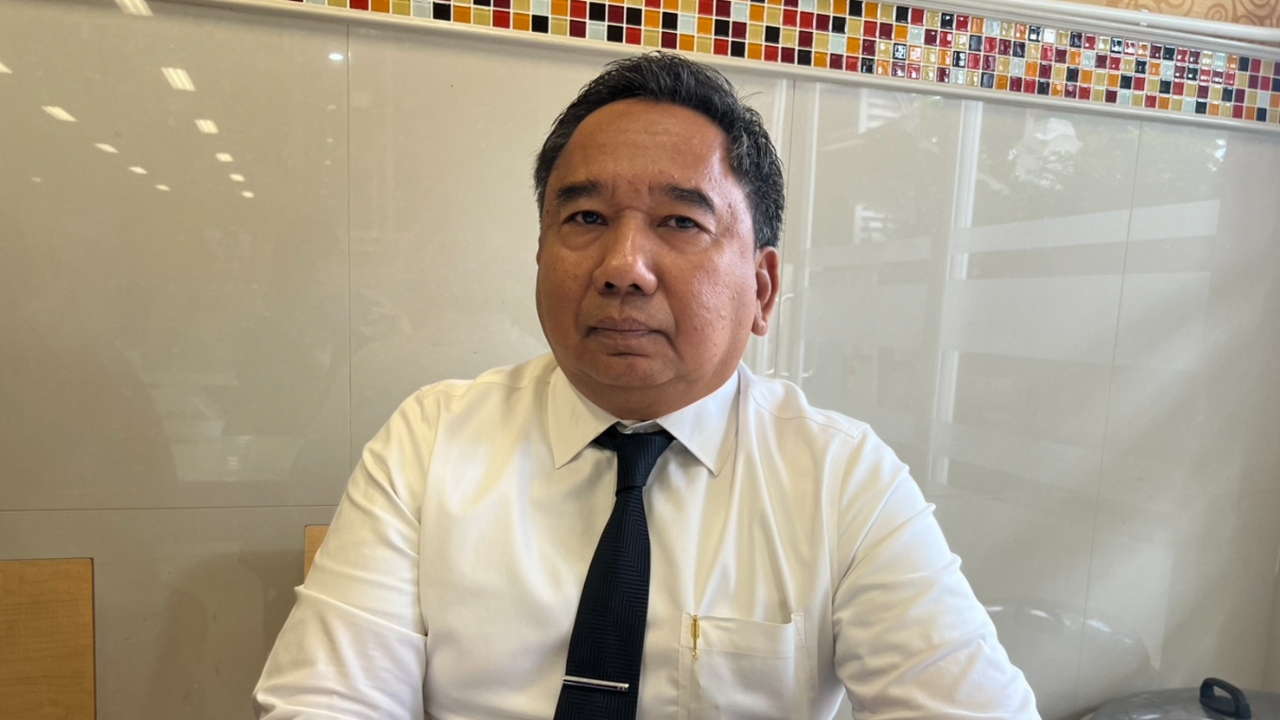
The Intelligence Director assessed three factors disrupting the southern region as peace talks approach and troop rotations take place. He revealed plans to coordinate with Malaysia to tighten border control to prevent perpetrators from fleeing across. He believes officials know the perpetrators but said it is not a matter of national security.
At 09:00 on 24 August 2026 at the Government House, Mr. Thanat Suwannanon, Director of the National Intelligence Agency and head of the peace talks for the southern border provinces, assessed recent incidents at multiple locations in the southern border provinces over the past weekend. He identified three main causes: 1. The peace talks are set to advance, likely by late October. The incidents may be attempts to build leverage for negotiations. If we rush into talks, we risk disadvantage and may have to accept unfavorable proposals. Therefore, careful planning on how to conduct the talks is necessary.
2. Currently, military forces are undergoing rotations. The perpetrators may see this as an opportunity to gauge officials' strengths and weaknesses. Such incidents resemble provocations, like those in Yala province, involving multiple dimensions. There are also symbolic acts, evident from attacks on local government offices and government vehicles. Intelligence units need to assess these factors. 3. It is currently the rainy season, which may cause damage to preparations, coinciding with the timing of the disturbances.
“There is always the question of why the state doesn’t know there are so many perpetrators. I want to say that sometimes they don’t inform each other in advance, but once an incident occurs, they immediately know. It’s not that they plan to gather at the same time and place,” Mr. Thanat explained.
When asked whether the incidents align with military claims or stem from losses due to government crackdowns on illegal activities, Mr. Thanat acknowledged there is some connection. For example, in Yala province, the incidents are mostly provocations, and no major illegal arrests occurred there. In Narathiwat province, there have been significant seizures, such as large quantities of methamphetamine, including in Pattani province. Therefore, it is necessary to categorize perpetrators by groups and linked areas. While officials are currently gathering evidence, they cannot yet specify clearly which group is responsible.
When pressed on whether the perpetrators in the area are known, the Intelligence Director said they do know but cannot disclose due to security reasons. For example, in criminal matters, they know which armed groups are responsible since each group has distinct operational methods that serve as their signature.
Asked whether local intelligence was unaware of these issues, Mr. Thanat said this is the responsibility of local officials and the Fourth Army Area Commander, who is the primary source of information.
Regarding future measures to handle the increasing frequency of incidents, Mr. Thanat said there are two perspectives. The military will need to reorganize forces and consider new problem-solving approaches. Additionally, these issues will be brought to the negotiation table for further assessment, such as whether safe zones should be established. The special delegation will also need to consult with local military commanders on how to proceed.
When asked if assistance from Malaysian authorities is needed, Mr. Thanat said Malaysia already facilitates the peace talks. However, cooperation is required to control the border to prevent perpetrators from crossing back and forth. At this time, increased vigilance along the border is needed.