

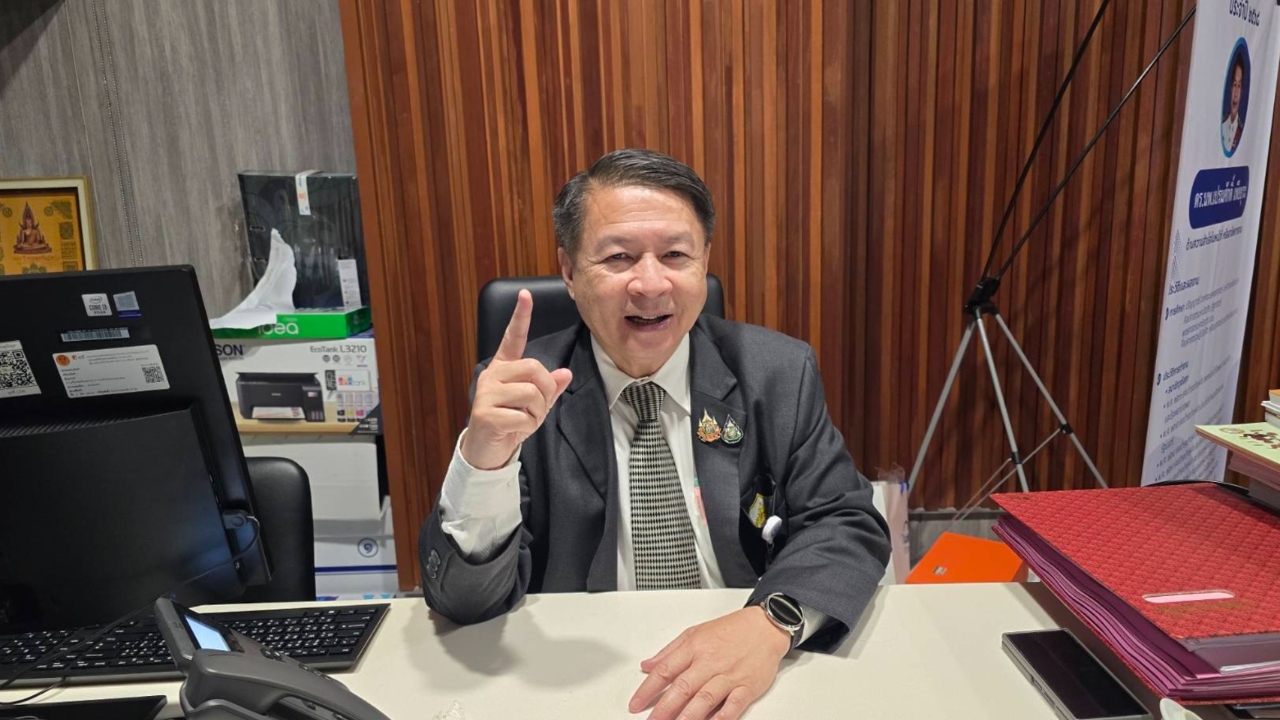
Senator Premsak declared on the opening day of Parliament, pressing the government to promptly amend the constitution and resolve the "masked man" issue, warning against passing problems back and forth. He pointed out that the public has already given the government many chances, but their patience has limits.
On 24 August 2026 at Parliament, Senator Dr. Premsak Piyura spoke about the upcoming second ordinary session of Parliament starting 25 August 2026. He said the public most wants to see government accountability through parliamentary oversight, especially Senate question sessions. Since the Senate meets on Mondays and the Cabinet on Tuesdays, there should be no excuse for the Prime Minister or ministers to avoid personally answering questions—especially urgent public concerns. For instance, if the Prime Minister is asked, he should answer himself rather than delegating to ministers, as has happened before, with the Prime Minister assigning a minister, who then delegates further, causing delays and questions expiring unused by session end. This shows a disregard for the parliamentary system, particularly the Senate’s role in monitoring public issues.
Senator Premsak also called for Parliament to accelerate constitutional amendments. After the last session, the parliamentary president said they would wait for citizen-initiated drafts, but he questioned whether waiting is necessary. If gathering citizen signatures takes too long, Parliament members should proceed first. Political parties already have positions on constitutional reform, so discussions on the framework and composition of a constitution-drafting assembly—including its size, origin, and powers—should begin before debating content. Delay risks the entire process becoming outdated before the current Parliament’s term ends, potentially causing constitutional reform to stall again.
Regarding opposition plans to submit a no-confidence debate, and concerns it might distract the government from answering Senate questions, Senator Premsak said the government must act professionally. Oversight and governance must proceed simultaneously alongside the opposition.
“The final straw on the camel’s back is nearly broken. The government should not wait for the opposition to start debates before addressing problems, many of which have accumulated, such as allegations of oil price hikes and local exam corruption suspicions, with society still questioning those behind it. Problems must not be allowed to accumulate beyond capacity. The public has already given the government many chances. The government must explain issues politely and respect the views of the public and media, rather than responding with counterattacks or distorting matters.”