

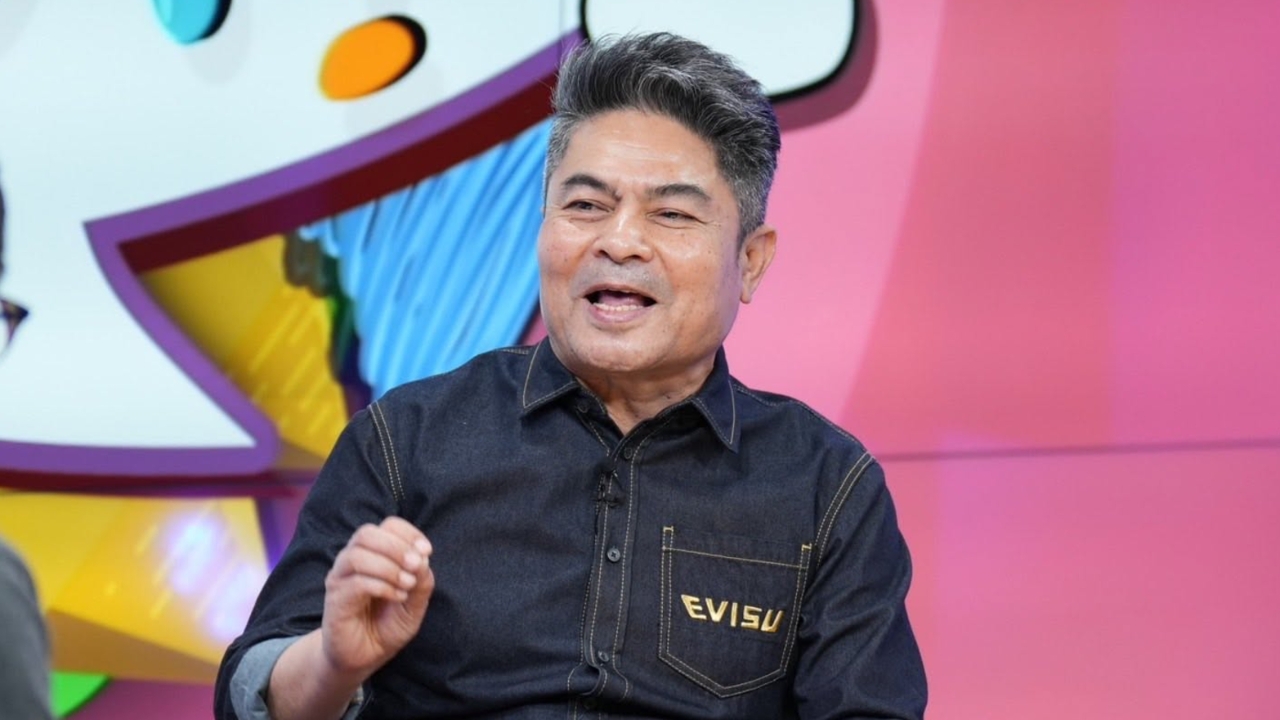
Thepthai analyzes the Election Commission's search for a way out, trying every possible method to end the case and avoid prosecuting the Senate vote-rigging case, after Saeng pointed out that three conditions must be met.
25 Aug 2026 GMT+7 Mr. Thepthai Senpong Former Member of Parliament and independent political analyst, Mr. Thepthai Senpong, posted a video discussing the Election Commission’s consideration of the Senate vote-rigging case. He questioned whether the EC would send the case to the Supreme Court's election division for a legal ruling in a segment titled “EC Crafts Two Solutions, Orders No Prosecution in Senate Vote-Rigging Case.” The key point was that Mr. Saeng Bunmee, EC Secretary-General, addressed public pressure urging the EC to forward the vote-rigging case to the Supreme Court's election division, citing that any referral must comply with Article 226 of the constitution and fulfill three conditions.
1. The fraudulent act must be committed solely by a candidate.
2. The fraud must be done only for the candidate’s own benefit.
3. There must be credible evidence that the election was not conducted honestly and fairly. Mr. Saeng is introducing this new interpretation as a possible way for the EC to decide not to prosecute the Senate vote-rigging case in the Supreme Court's election division.
Mr. Thepthai further noted that if this is the case, it might be based on Mr. Saeng's earlier explanation that the offense must meet the three constitutional conditions. Previously, the EC appointed Subcommittee No. 36 specifically to review and potentially overturn the findings of Subcommittee No. 26, which had concluded the vote-rigging case had grounds and voted to prosecute 229 individuals involved.
The EC claims the Senate vote-rigging case involves a large number of accused—229 people, including 138 current senators and 91 political party network members and executives. Therefore, the then EC chairman, Mr. Itthiporn Boonprakong, appointed Subcommittee No. 36 on 25 Sep 2025 GMT+7 to conduct a focused review. This demonstrates there has been an ongoing process to curtail the vote-rigging case from the start. The appointment of Subcommittee No. 36 to counter the prosecution decision by Subcommittee No. 26, which decided not to prosecute because it found the case lacked merit, may not provide sufficient justification for the EC’s decision not to file charges. This has led Mr. Saeng to seek reasons by invoking the constitutional offense criteria under Article 226 as an additional argument.
"Therefore, it is clear that the EC is trying every possible means to end the case and avoid prosecuting or allowing the Senate vote-rigging case to proceed to the Supreme Court's election division. Society must continue to watch whether the EC will persist in ending the case despite clear evidence. iLaw and the opposition coordination committee have been releasing increasingly clear evidence every day. It remains to be seen whether the EC will still refuse to prosecute and send the case to the Supreme Court's election division."