

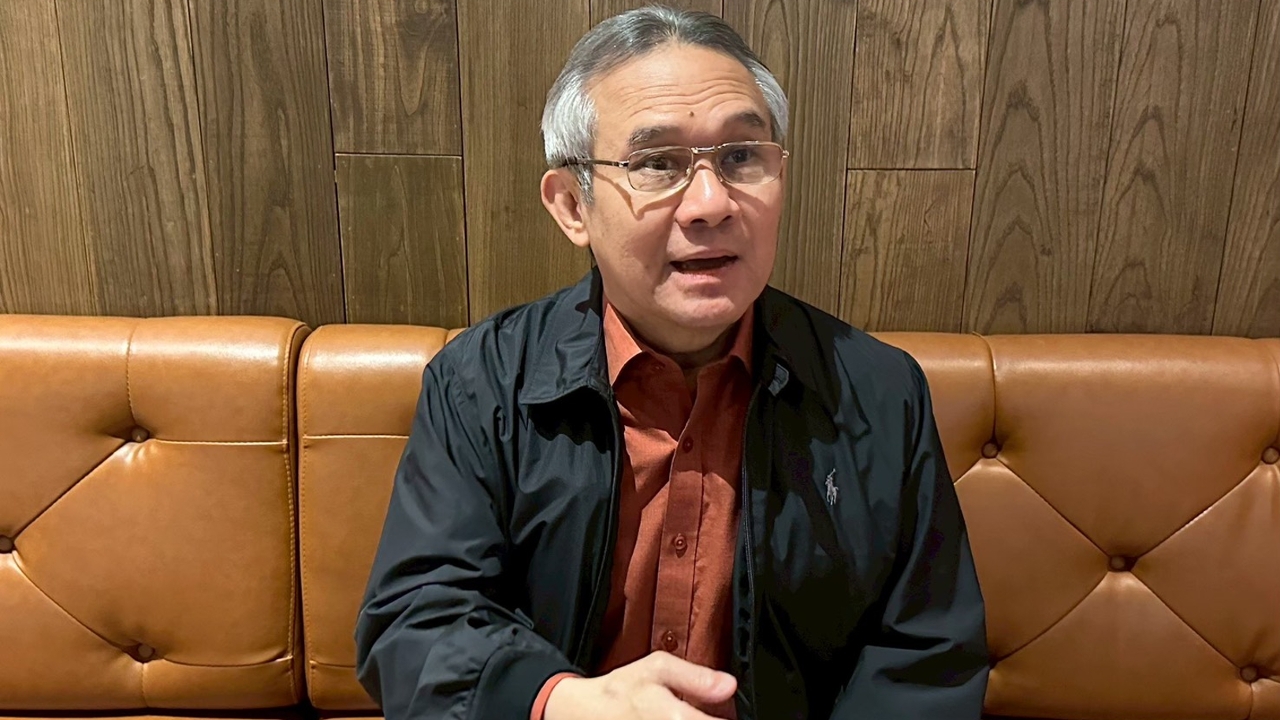
Suradech questions why surveillance cameras failed to capture suspects in 51 southern disturbance points. He recommends offering rewards for tipsters to build community cooperation and stresses maintaining curfews so authorities can conduct thorough nighttime operations more easily.
On 28 Aug 2026 GMT+7, Suradech Yassawat, an independent politician and former senator, MP, and deputy leader of the Palang Pracharath Party, commented on the unrest in the southern border provinces, where disturbances occurred at 51 locations. He observed that despite substantial budget allocations for CCTV technology in the area, many cameras remain broken or unusable. He questioned who is responsible for their maintenance—local authorities or government agencies—and whether genuine integrated cooperation exists among the military, police, and civilian officials, including provincial governors and district chiefs. He emphasized the need for real joint efforts rather than isolated actions by each party.
Suradech stated that CCTV has been used in the region for a long time, and he had previously proposed its use while a senator. With current advanced technology allowing officials to monitor cameras via mobile devices, he questioned whether technology upgrades had occurred or if neglect existed at the operational level. He asked whether the cameras are managed in an integrated manner or if the military, police, and local administration each only monitor their own units, which is ineffective. He stressed the importance of involving local leaders such as village headmen seriously. He also raised the issue of how many cameras actually function, noting the recent incidents at 51 locations where the cameras failed to identify suspects disguised on pickup trucks, unable to zoom in on faces, which he found very surprising.
Suradech further suggested that infiltration units should be embedded among the populace. Currently, military and police personnel are integrated within communities, but locals cannot distinguish who is who; some insurgents disguise themselves as ordinary citizens. He emphasized the need to anticipate such tactics since these underground attackers conduct ambushes and coordinated strikes, complicating government efforts. He believes recent multiple-point attacks were well planned. Government agencies must continuously upgrade their capabilities and remain aware that the southern border provinces are still unstable, with persistent insurgent intent. Some insurgents pose as ordinary citizens, so deep intelligence is essential.
Suradech proposed creating incentives to encourage citizens to support the government by offering rewards for tips and information. This is crucial because the local economy in the southern border provinces has suffered from ongoing unrest, causing high unemployment. Those without jobs are vulnerable to recruitment by illegal groups and terrorists exploiting this vulnerability. Therefore, the government should allocate funds to motivate citizens. Anyone providing information leading to arrests of perpetrators or masterminds should receive monetary rewards, which would stimulate public cooperation and help restore peace. He also called for serious cooperation among provincial governors, district chiefs, village headmen, and local leaders with the government.
Suradech also stated that curfews should not be declared only briefly during incidents but maintained continuously. Otherwise, government officials cannot operate effectively. He suggested curfews from 10 p.m. to 6 a.m. with no one allowed outside their homes, enabling authorities to conduct thorough inspections. Although many modern surveillance technologies exist, officials need access to the areas and must conduct checks without disturbing innocent civilians. He stressed that curfews and martial law must remain in place given attacks at 51 locations and should not be lifted easily. Controlling the situation first is vital. Law-abiding residents can work during the day, but at night authorities must be allowed to work fully; otherwise, resolving these problems will be difficult.