

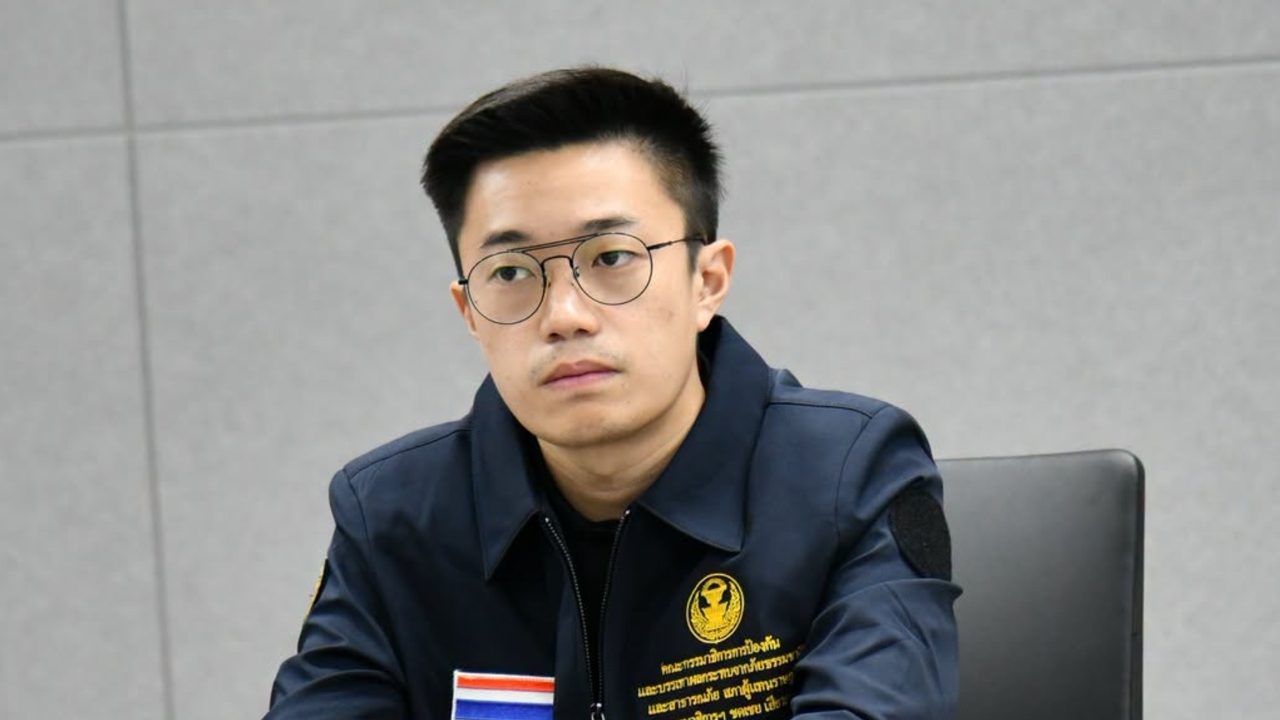
Former Ayutthaya MP from the People's Party urges close attention to the new Ayutthaya city plan, which removes restrictions on factories and warehouses in green zones, hoping to prevent repeated pollution problems as seen in other provinces. He calls on the Ayutthaya minister to investigate this issue further.
On 3 Sep 2026, Mr. Taviwong Totaviwong, former Ayutthaya MP from the People's Party, posted about the newly enforced Ayutthaya city plan, highlighting that the key change is unlocking permissions for factories and warehouses in green zones. He expressed hope that this would not lead to repeated pollution incidents. This major update was quietly announced, and we must collectively keep a close watch. The Ministry of Interior's announcement on the amendment to the ministerial regulation enforcing the comprehensive city plan for Phra Nakhon Si Ayutthaya Province B.E. 2569 (2026 CE) officially took effect on 28 Aug 2026.
The most significant point of this amendment is the removal of building height restrictions in green zones (rural and agricultural areas). Previously, the 2017 city plan strictly controlled building heights. The new plan exempts factories under factory law, silos, warehouses, storage facilities, public utilities, infrastructure structures, and water towers from height limits in many areas. This aims to support economic, industrial, residential, agricultural, and utility development aligned with current environmental conditions.
It's positive that Ayutthaya will attract industrial investment to create jobs and income for locals. However, it is crucial to consider and be aware of preventing harm to existing communities and Ayutthaya’s rich environment. Residents must stay vigilant as past news has raised concerns; many communities have suffered severe factory pollution issues widely reported nationwide. For example, the recent case of a Chinese-funded factory discharging wastewater in Nong Nam Som Subdistrict, Uthai District, affecting water sources and farmers’ livelihoods remains ongoing. Another case involves a recycling and chemical waste incineration factory in Lat Bua Luang District causing persistent foul odors, toxic smoke, and distress for residents and students over many years. Even though the Industry Minister from the Blue regime recently visited, some say the odor has lessened, but that improvement came after over 15 years of suffering.
Heavy metal dust from the open-air docks in Nakhon Luang District disperses metal particles into nearby communities and residents’ respiratory systems. Locals cope by temporarily sealing homes with tarps, treating respiratory illnesses, cleaning homes, and wearing masks. This does not include pollution impacts from factories around Ayutthaya, such as in Saraburi, Ang Thong, or neighboring provinces.
Mr. Taviwong added that even when city planning laws previously regulated the area, pollution still spread into communities damaging residents’ health and the environment. Now, with green zones unlocked to allow easier construction of factories and warehouses, it is uncertain whose homes will next suffer if oversight and enforcement remain lax. Another observation is that Ayutthaya is currently classified as a Blue zone province, similar to Prachinburi, which also faces environmental pollution problems. This raises important questions about what further actions the Blue regime in Ayutthaya needs to take.
“I am eager to see the performance of Ayutthaya’s Minister, MPs, and Senators in this government. Have they investigated these issues? Why do pollution problems and chemical wastewater discharges into communities continue? Is there a failure in oversight systems, corruption, dereliction of duty, or tacit allowance for large investors to violate community rights? I invite all Ayutthaya residents in every district and subdistrict to inspect your local areas and collectively call on government agencies to strictly regulate industry to protect our communities and Ayutthaya’s richness,” Mr. Taviwong said.