

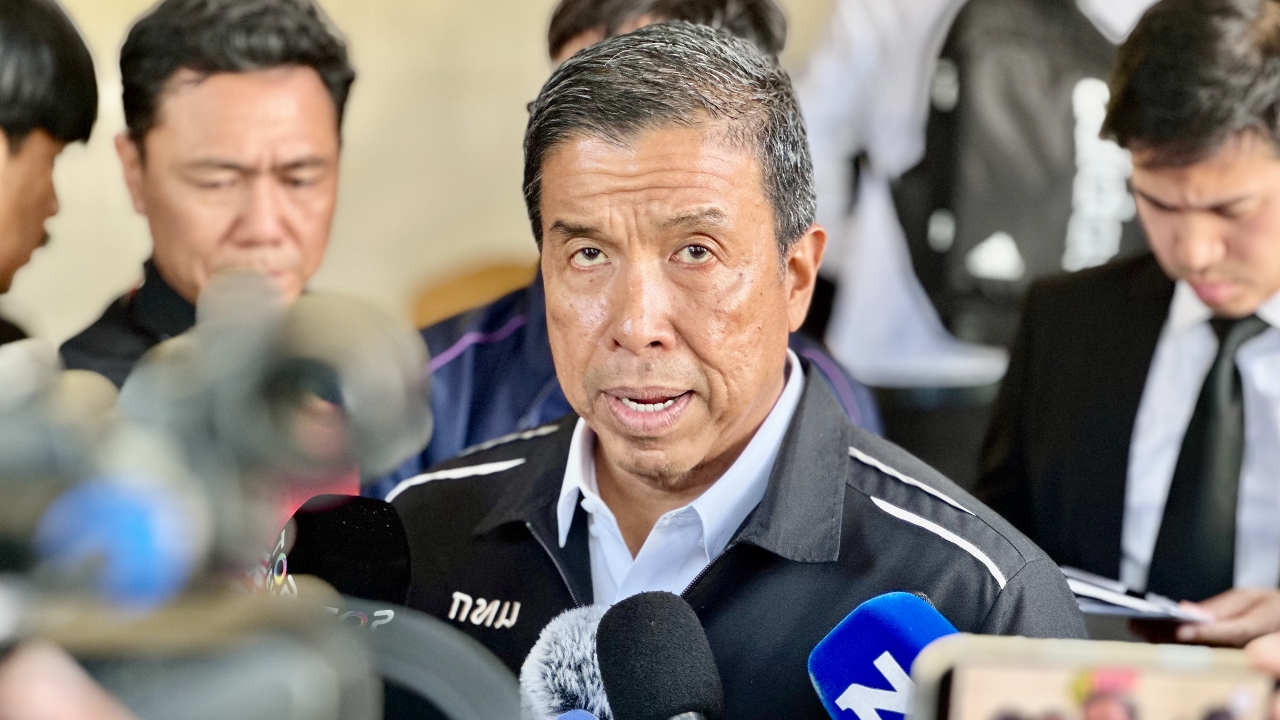
Chadchart, Governor of Bangkok, acknowledged a legal gap due to the lack of a definition for “Data Center.” He stressed the need to clarify the definition and proposed reviewing zoning laws, building controls, and Environmental Impact Assessments (EIA), while awaiting results from the investigation into the source of an oil leak odor.
At 08:20 on 4 September 2026 GMT+7. Mr. Chadchart Sitthiphan, Governor of Bangkok (BMA). He gave an interview at Government House before the 1/2026 Data Center Operations Policy Committee meeting about progress on inspecting Data Centers in Bangkok. He said that on 3 September, the Department of Energy Business inspected a Data Center at Rama 9 Soi 6. A retrospective check found no prior complaints about oil odor, but after media reports, some complaints were received—not directly to BMA. The Pollution Control Department conducted inspections and will further investigate the source.
Regarding BMA’s role, they oversee building construction certification (Form A.6). Currently, this Data Center has not received such certification. To operate, the building must have permits from various agencies. In Bangkok, six Data Centers have been established, but only three have permits, all applied for under warehouse classification (Data Center). However, Data Centers have existed for some time as cloud infrastructure within typical office buildings. Over 40 Data Centers exist inside office buildings, serving as their own data hubs.
Chadchart added that the three licensed Data Centers must have permits for oil storage. Complaints might relate to noise during generator testing, as one tested systems at night, causing residents to complain. Testing during daytime would reduce noise pollution. Nonetheless, no orders to halt operations at these three sites have been issued; authorities await further assessments.

When asked how the three Data Centers obtained permits from district offices, Chadchart explained, they applied as warehouses because Data Centers were not defined in the law, which may be outdated. Normally, Data Centers are inside offices and follow standard EIA procedures. Recently, standalone Data Centers have applied as warehouses. Thus, it is timely to revise the definition since standalone Data Centers are a new business, and all countries must update laws accordingly.
Asked about the suitability of locations for Data Centers, Chadchart said many stakeholders must be heard since BMA lacks expertise. The policy committee meeting included experts from various fields. He urged waiting for clear outcomes from the meeting.
Regarding whether zoning issues would be discussed in the meeting, Chadchart confirmed they would, including zoning plans, defining Data Center size and requirements, possible amendments to building control laws, and energy business regulations. Asked about the possibility of requiring EIAs for standalone Data Center buildings, he said it is possible to enact such laws, with the Ministry of Natural Resources and Environment able to add this requirement to the list.
