

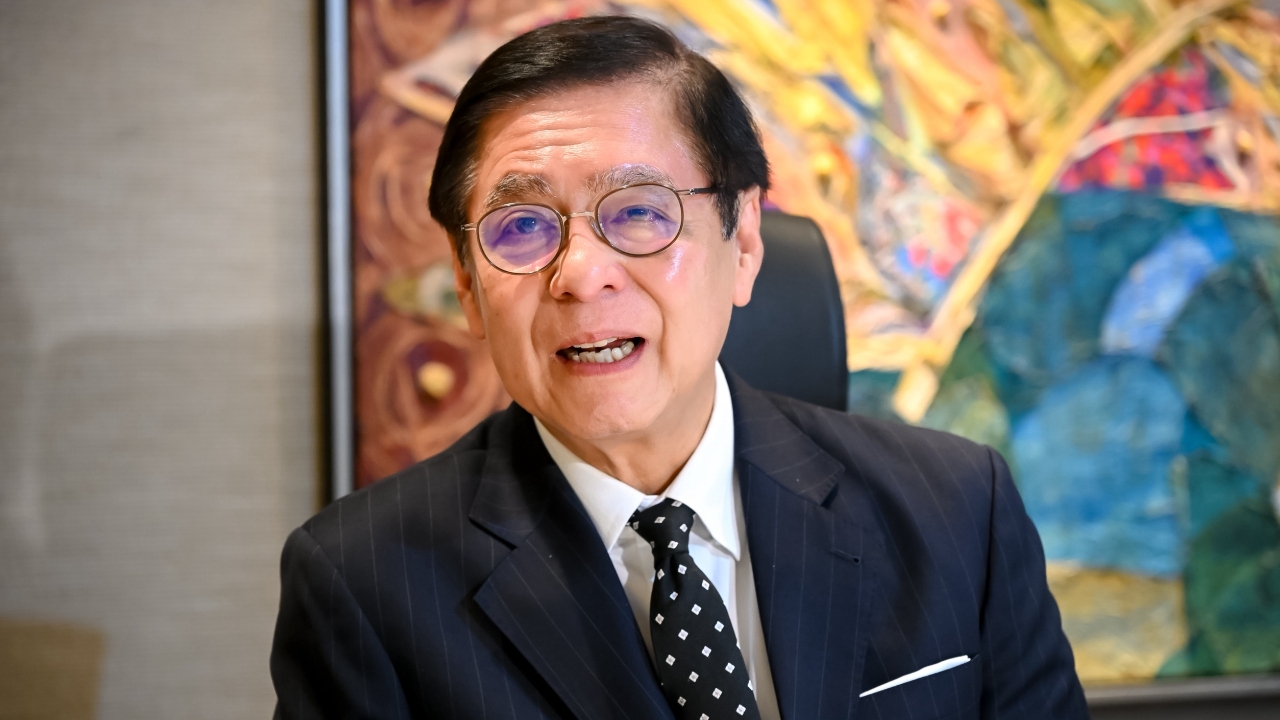
Sihasak revealed that Malaysia agrees to build a security fence and exchange intelligence, noting Malaysia has yet to announce the name of the new facilitator, sending a clear signal that it will not allow militant groups to use its territory to undermine Thailand's security.
On 7 September 2026 in Kuala Lumpur, Malaysia, Mr. Sihasak Puangketkaew, Deputy Prime Minister and Minister of Foreign Affairs, spoke after discussions with Dato' Seri Utama Haji Mohamad bin Haji Hassan, Malaysian Minister of Foreign Affairs, and Dato' Raja Nushirwan bin Zainal Abidin, Secretary of Malaysia’s National Security Council. The talks followed up on leader-level discussions and pushed for cooperation to resolve issues in the southern border area. He said the visit aimed to follow up on talks between the Prime Ministers of Thailand and Malaysia in early July and to address unrest incidents on 22 July and 22 August, which were of special concern to the Prime Minister regarding public safety.
The discussions with the Malaysian Foreign Minister and National Security Secretary focused on two main points: joint border security and border area development. An urgent agreed measure is the security fence project. Since Malaysia already plans to build a security fence, both sides agreed to coordinate plans to avoid overlap, focusing on sensitive areas at risk of transnational crime and drug trafficking. They also agreed to enhance intelligence sharing, emphasizing deep, accurate, and timely intelligence exchange to aid decision-making and rapid response.
Regarding joint patrols, the military sides were assigned to operate through the Regional Border Committee (RBC) and the General Border Committee (GBC) frameworks.
Mr. Sihasak also said the meeting emphasized economic development for sustainable security. Infrastructure projects including roads, bridges, and rail systems will be reviewed and coordinated at the upcoming Joint Committee (JC) meeting and the Strategic Committee for Border Development at the end of October to avoid redundant projects and facilitate seamless cross-border trade.
On progress in the peace talks for the southern border provinces, the Thai side confirmed readiness with Mr. Thanat, Director of the National Intelligence Agency, continuing as head of the Thai negotiation team. Meanwhile, Malaysia is in the process of selecting a suitable new facilitator to support the peace process.
The Thai side clearly stated that progress in talks depends on improved security conditions, urging the BRN group, both political and security wings, to show unity in ending violence. They also plan to open the talks to broader community and sector participation to align with the goal of reducing unrest by 2027.
Malaysia sends a clear signal that it will not allow militant groups to use its territory to undermine Thai security.
Mr. Sihasak addressed recent unrest incidents occurring on the same night, with Malaysia affirming that Thailand’s security is also Malaysia’s security, as both share interests in promoting border security. The Malaysian government has no intention of allowing anyone to use Malaysian territory to undermine Thailand’s security.
Mr. Sihasak reassured residents in the southern border provinces that the government's main strategy follows King Rama IX’s approach: to access, understand, and develop the local people, working in unity across agencies in areas of security and safety. He emphasized the need to integrate economic projects across agencies for the benefit of the local population. Education and identity are critical, necessitating careful selection of personnel assigned to the southern provinces. His own work involves cooperation with Malaysia.
When asked about political groups in the area advocating self-governance as a solution to the unrest, Mr. Sihasak said the government must respond to the needs of the people in the area. What they want now is safety and better living conditions. For long-term plans, the government remains open to listening and ongoing dialogue, but currently, building public confidence in safety and improved well-being is the highest priority.