

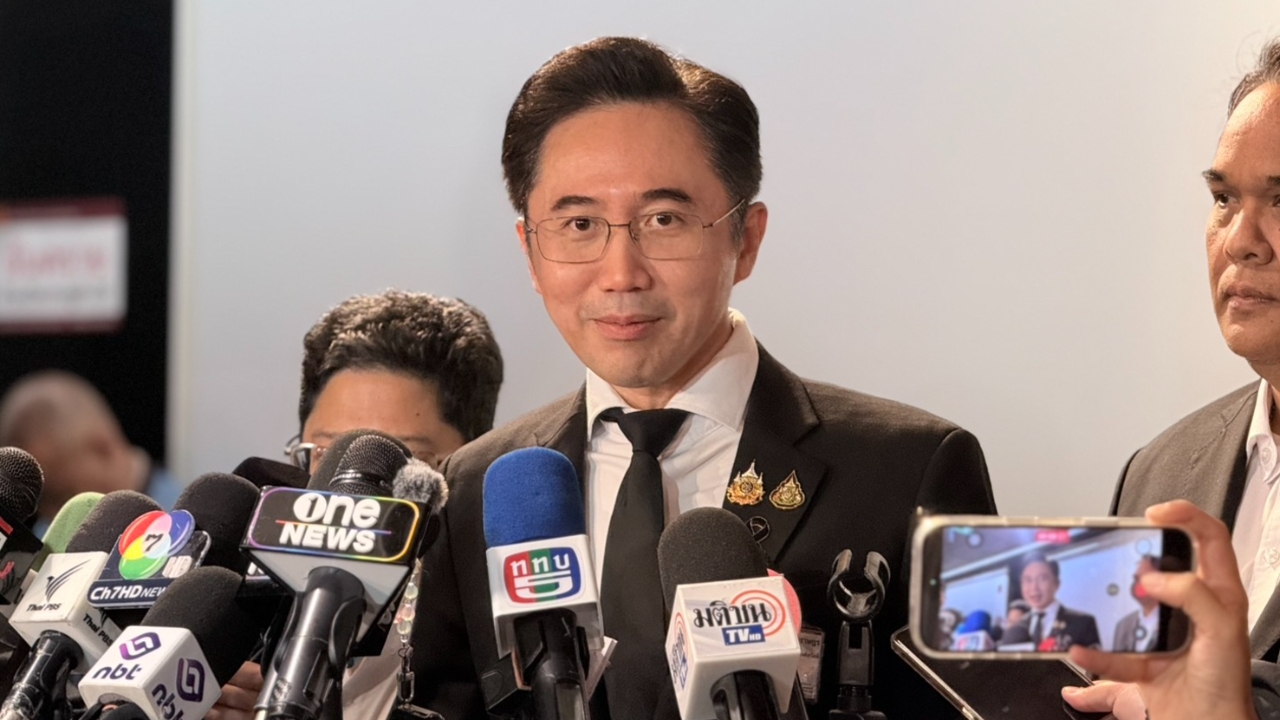
“Yotsanan” has called a meeting on 9 Sept. to discuss ending the conflict between Uthenthawai and Pathumwan, highlighting the use of legal measures and relocating areas to avoid clashes. He acknowledged the need to sit down with the ringleaders of the two institutions, noting it is not easy but promising to try his best to resolve it.
On 8 Sept. 2026 at the Parliament, Mr. Yotsanan Wongsawat, Deputy Prime Minister and Minister of Higher Education, Science, Research and Innovation, addressed the violent clashes between Rajamangala University of Technology Tawan-ok, Uthenthawai Campus, and Pathumwan Institute of Technology. He said the violence has been significant, with many trying to end the conflict. Over the past 2–3 months since taking office, he spoke with the rectors of both universities. Initially, they staggered class schedules; for example, Pathumwan students attend classes at a company and are picked up by seniors from year one, as a model to prevent clashes. This approach has been ongoing for some time. Additionally, a dispute resolution committee between the two institutions was established, aiming to relocate, especially Uthenthawai, to another site. The Treasury Department is reviewing possible areas, but progress is slow. Therefore, alternative options are being discussed. If no new site is available, Uthenthawai will manage its own area by moving student groups out to avoid confrontation, which could provide a sustainable solution. Both rectors agreed that if disputes arise or police are involved, classes would be suspended. Last month, Pathumwan suspended classes during term start to prevent clashes effectively, but confrontations reoccurred last week. As HESRI Minister, Yotsanan discussed with the Metropolitan Police Commander a meeting scheduled for 9 Sept. at 11:00 involving himself, ministry officials, the rector of Chulalongkorn University, the Metropolitan Police Commander, and rectors and deans of Uthenthawai and Pathumwan to discuss strict legal enforcement and necessary regulations, which universities must implement again.
Mr. Yotsanan said these conflicts have lasted years with several fatalities. It is now time to act swiftly, closely monitoring the situation for the safety not only of university students but also of people in the vicinity, many of whom have been collateral victims. He stressed the urgency despite the challenges, acknowledging prior efforts. He intends to collaborate with all parties, clearly defining responsibilities and roles. If obstacles arise, those involved will be invited to the same table to identify where issues lie and explore solutions. After the meeting tomorrow, he will provide information to reporters.
When asked whether the conflict would end during his tenure, Mr. Yotsanan said he would do his best because it is necessary to resolve it. He aims to conclude whatever can be done, including considering how to enforce legal actions. Tomorrow’s statement will clarify the timeline, and he reaffirmed his commitment to doing his best.
Asked about previous failed negotiations and the need for new approaches, Mr. Yotsanan said they will use existing legal provisions and prior agreements to establish a timeline to facilitate university compliance. Effective resolution requires involving all relevant parties. The first step involves full-authority executives, followed by affected individuals engaging in discussion, guided by law. This approach should expedite timeline implementation and deadlines.
Asked whether negotiations with ringleaders or gang leaders responsible for incidents are necessary, Mr. Yotsanan confirmed talks are needed. Although difficult, negotiations must be based on reason and evidence, as people have been injured. Regardless of willingness, it is essential because Thai citizens fear the conflict, which affects the economy, confidence, tourism, and daily life. The time has come for decisive and comprehensive action.
When asked about clear scheduling for relocation, Mr. Yotsanan said two options have been agreed upon: outside the city and other campuses of Rajamangala University of Technology Tawan-ok. They will explore which areas can be used additionally. Efforts will also focus on transforming the former conflict zone into an economic area linked to industry. Discussions with Chulalongkorn University aim to make the disputed area open and accessible to all, connecting research and commerce, highlighting the area's existing strengths.